A wall that refuses to be ignored
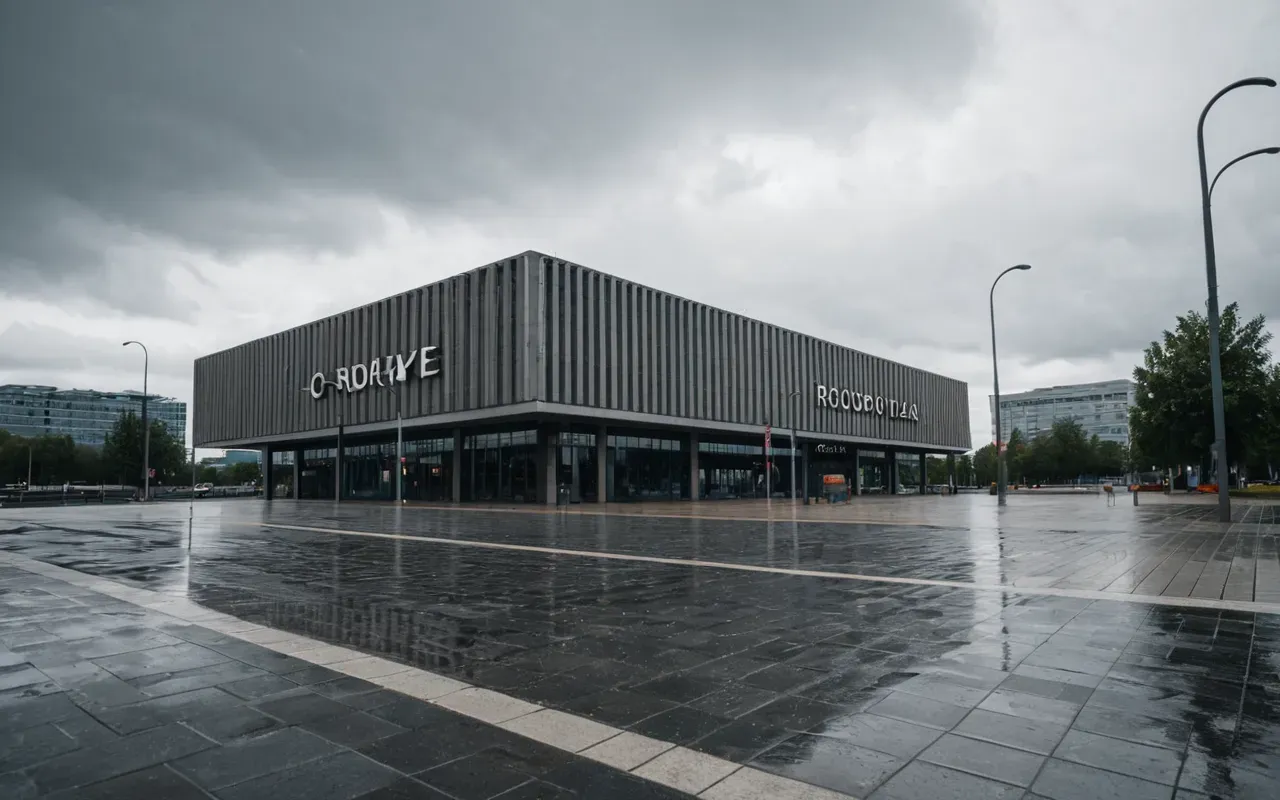
Start with the number. ,. You can't skim past that in a morning briefing. It's a count of human lives, carved now into a physical structure standing on the wall of the Plein Theater in Amsterdam-Oost.
I've walked past enough monuments to tell when something is decoration and when it's a demand. This installation by American artist Phil Buehler feels like the second kind. It doesn't ask for your sympathy politely from across the street.
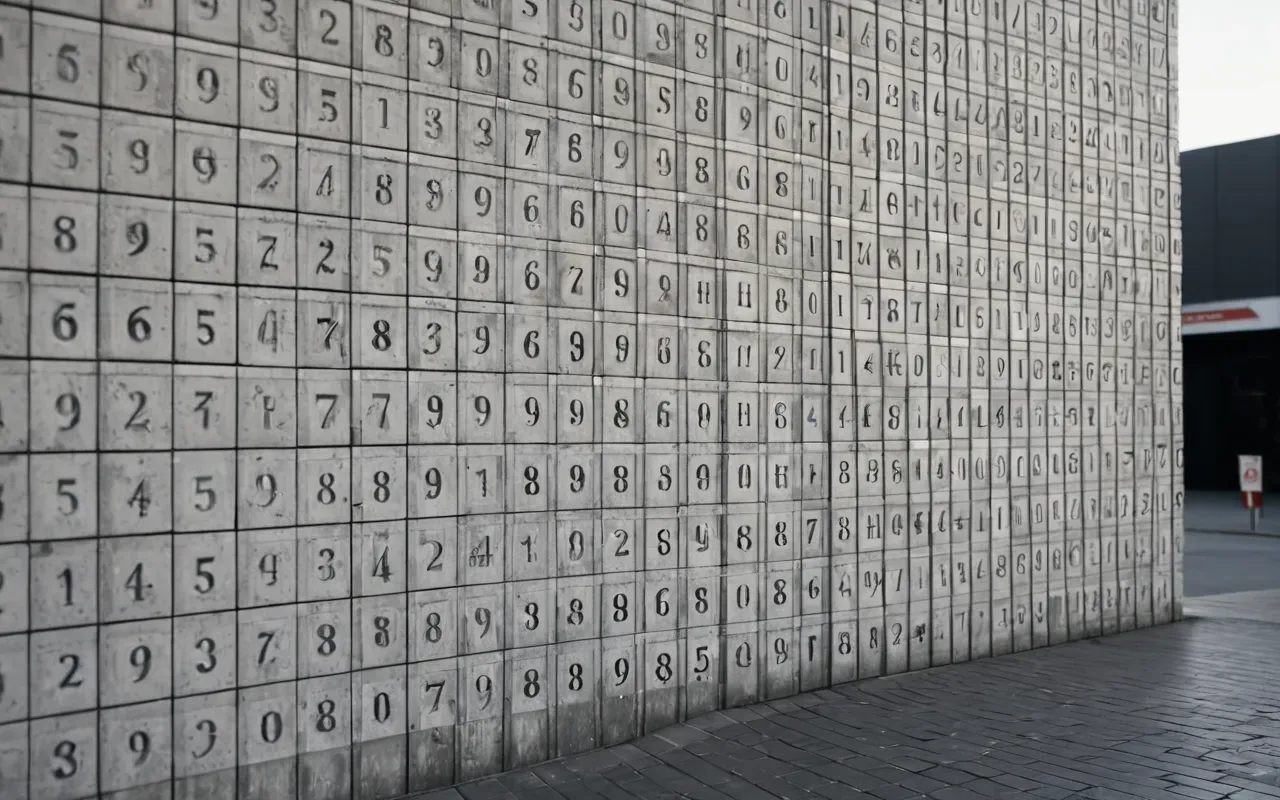
It stands right there on a busy urban perimeter. Drive around it and you can't miss the sheer scale of the names stacked vertically. That visual weight changes how you move through the neighborhood.
Why this location breaks local norms
We tend to assume memorials belong in quiet parks or dedicated squares. We like our grief contained, curated, kept away from the daily commute. Putting this on a theater wall rejects that comfort on purpose.
The Plein Theater is a hub for culture and performance. Anchoring the Wall of Tears there forces a confrontation between art consumption and political reality. You're not just viewing a play; you're acknowledging loss.
Here's the angle most headlines miss. This isn't just a news item about Gaza. It's a statement about how we let tragedy occupy our shared spaces.
The global circuit before arrival here
The piece has been traveling since its creation. New York first, then London, then all the way to Australia. Each stop brought a different local reaction but the same core message.
I find it fascinating how cities handle this. Some treat it as a tourist attraction to be photographed and moved past quickly. Others let the silence hang in the air for minutes.
Now that it's here, we're seeing a mix of both. The local community has had time to process what the presence of such a heavy subject means for their daily lives.
What the numbers really say to us
Eighteen thousand is an abstract concept until you try to visualize it. A school full of children, multiplied several times over. The wall makes that abstraction physical and undeniable.
There are photographs in the display too. Seeing a face attached to a name changes your brain chemistry instantly. The focus shifts from political debate to individual humanity.
I've seen people stand still for a long time. They aren't reading every name — impossible in a short visit. But they're registering the scale of what happened.
The debate about who gets to grieve publicly
There's a quiet tension in the conversation around this piece. Some argue that specific locations should stay neutral ground for local events and performances.
Others say public space is exactly where difficult truths need to be placed. If we only grieve in private, or in dedicated cemeteries, we're hiding the reality of global conflict.
I lean toward the second view. We keep seeing how quickly we forget tragedies when they aren't physically present in our daily path.
What this means for your visit right now
If you're planning a trip to the city this week or month, don't skip it. It's free and open during regular hours, but it demands your attention.
You might also want to check out why your Amsterdam city break is missing the most expensive part because cultural experiences are often undervalued in travel budgets.
The experience is different if you go early in the morning. Quieter streets, less crowd noise competing for your focus.
The broader context of current events here
This launch coincides with a busy weekend for the city. The first edition of the marathon in Den Haag is happening nearby and drawing thousands of runners.
Strange juxtaposition, honestly. On one side, intense physical exertion and a celebration of health. On the other, a static monument to death.
We live in a world where joy and sorrow are often separated by geography or time. This installation collapses that distance.
You can't run a marathon while ignoring the wall if you live nearby. It forces a reckoning that's uncomfortable but necessary.
Why this matters beyond the headline news
News cycles move fast. In a week this will be old news in many feeds. But the wall is still there. It doesn't expire when our attention span runs out.
I think that's the real power of this piece. It resists the temporary nature of digital media and social feeds.
It remains a fixed point in the city landscape. Whether you like it or hate it, it's part of your environment now.
Final thoughts on a changing cityscape
Cities are always evolving. They absorb new stories and new pain into their fabric. This wall is the latest addition to that ongoing process.
We often talk about how Amsterdam is quietly dying under its own popularity but this kind of art keeps the soul alive.
It reminds us that a city is more than its attractions and hotels. It's a place where we confront our collective failures.
So the next time you walk past that wall, don't just look at it. Read one name. Just one. It might change how you see the rest of your day.