The Unseen Ripple Effect
Picture a city where one broken pipe shuts down the toilets at a museum. Absurd, right? That's exactly what went down in the middle of Amsterdam. Tiny disruption in scale — weirdly specific in impact.
Waternet, the local water company, got the call around noon. A leak was bubbling up near Damrak . Crew arrived fast. Fenced off the area. But the real story is what happened to the businesses next door.
Roughly forty supply points lost water. That's a famous museum, a handful of restaurants, and even canal boats. The boats run on a fixed connection to the city grid. No link, no water. Simple as that.
Who Wins And Who Loses
The Sexmuseum stayed open. Staff told visitors they could still see the exhibits — just not use the restroom. Strange call, honestly. Keeps the ticket revenue coming while ignoring basic comfort.
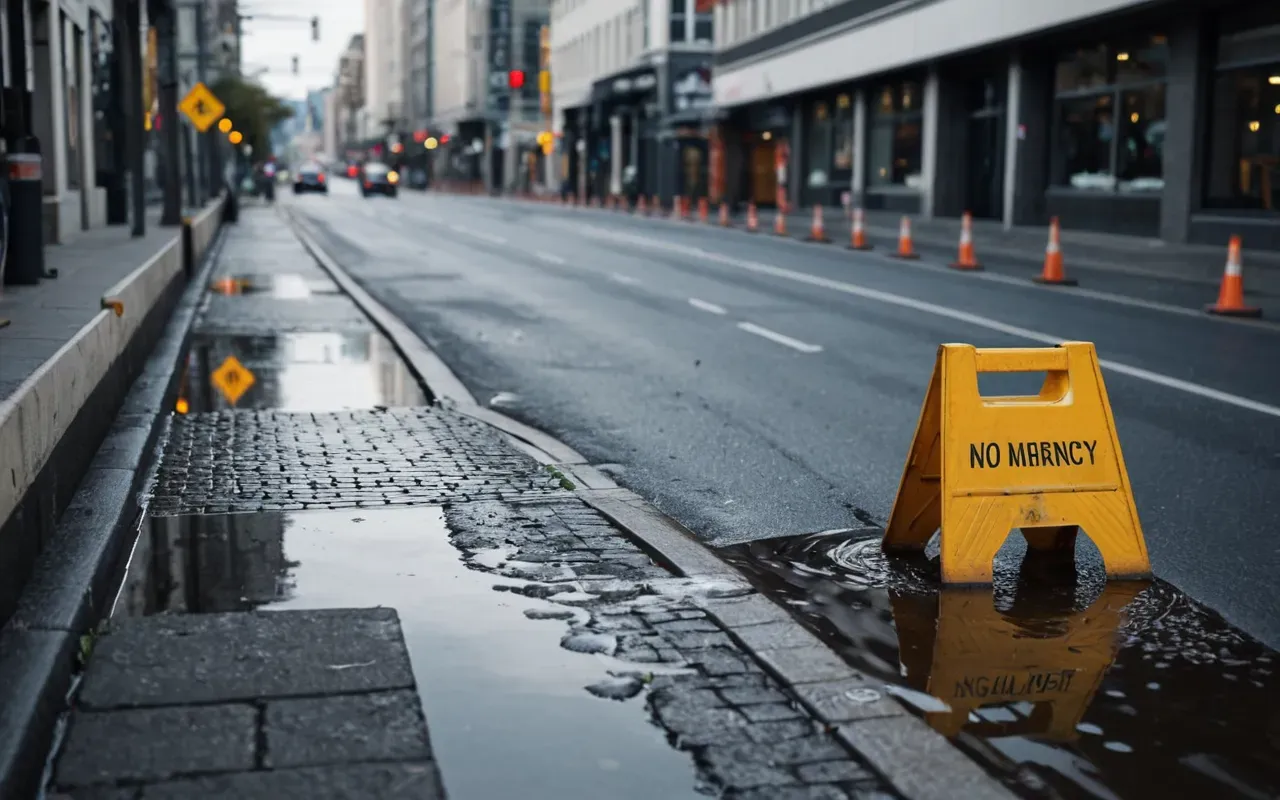
A fry shop called Manneken Pis got hit too. No washing dishes. Staff called it annoying. For a business built on hygiene, that's not annoying — that's a serious problem. Service just stops.
The Tourist Perspective
Most tourists never notice these small breaks. They take a canal tour. They visit a museum. They assume the water flows. When it doesn't, the inconvenience is real. But the city moves fast to fix it.
Canal boats are their own case. They're not just vehicles — they're floating restaurants. Lose the water, lose the ability to serve drinks. Direct hit on daily revenue. That connection is fragile.
Why This Matters More Than You Think
Amsterdam is a city built on water. The infrastructure is old but efficient. A small leak isn't a disaster. But it highlights a dependency. Businesses rely on a grid that can fail. And when it fails, there's no backup.
The museum staying open is a business choice. Protects ticket revenue. Risks customer satisfaction. Tourists expect basic services. No toilet, and the experience suffers. Calculated risk.
The Hidden Cost of Convenience
We take clean water for granted. In a city like Amsterdam, it's a lifeline. The fry shop needs it for hygiene. The museum needs it for comfort. The boats need it for service. One break affects all of them.
The repair was manageable. Waternet called it controlled. No major flooding. But the lesson is clear. Small failures can have big effects. And in a dense urban environment, there's no buffer. You're exposed.
What This Tells Us About City Life
Cities are complex systems. Not just buildings and streets — networks. Water, electricity, data. All connected. One weak link can break the chain. And everyone nearby feels it.
The sex museum incident is a small story. But it reflects a bigger truth. Urban life is fragile. We depend on invisible systems. When they work, we forget them. When they fail, we notice. And we adapt.

The Human Element
Staff at the affected businesses stayed calm. They adapted. The fry shop staff joked about it. The museum staff focused on keeping visitors informed. That human resilience is what keeps the city running. Even when the water stops.
It's not just about the water. It's about how people respond. The crew worked quickly. The businesses communicated clearly. The tourists adjusted. That collective effort is what makes the system work. Not perfect, but effective.
The Bigger Picture
As cities grow, their infrastructure gets older. The pipes in central Amsterdam aren't new. They've served for decades. A leak isn't a surprise — it's a fact of life. The question is how we manage it. And how we prepare for the next one.
The solution isn't just faster repairs. It's better planning. Redundancy. Communication. The water company did a good job. But the system itself is vulnerable. And that vulnerability is a constant. Part of the urban experience.
Lessons for Travelers
If you're visiting a city with dense infrastructure, be aware. Check local news. Understand the basics. A small disruption can change your day. Usually temporary, though. Stay flexible. Expect the unexpected.
The museum incident is a reminder. Not just about the water — about the system. And the people who keep it running. They're the real heroes. They work quietly. They fix the leaks. They keep the city alive.
Final Thoughts
A water leak in Amsterdam isn't a major news story. But it's a fascinating one. It shows how interconnected we are. How fragile our systems are. And how resilient we can be. The water's back now. The lesson remains.
Next time you turn on a tap, think about the pipes. Think about the crew. Think about the businesses that depend on it. Small thing. But essential. Worth remembering. The water flows. And the city lives.