
The Weather That Broke the Festival Promise
Look. Most festivals sell you music and vibes. This one sold the sun. The organizers promised a tropical escape in the heart of the city, and they leaned hard on outdoor stages and open-air dining to deliver it. Then the forecast turned gray, and the whole business model collapsed overnight.
It's not just about rain. It's about the psychological contract between organizer and attendee. You buy a ticket expecting heat, sunshine, summer energy. Take those away and the value proposition evaporates completely. That's what makes urban outdoor events such a fragile ecosystem.
I've watched this pattern play out in several other cities. The moment the sky darkens, attendance drops by half or more. Operators consistently underestimate how much weather dictates consumer behavior for leisure activities that depend on open spaces.
Why Urban Outdoor Events Are High Risk Investments
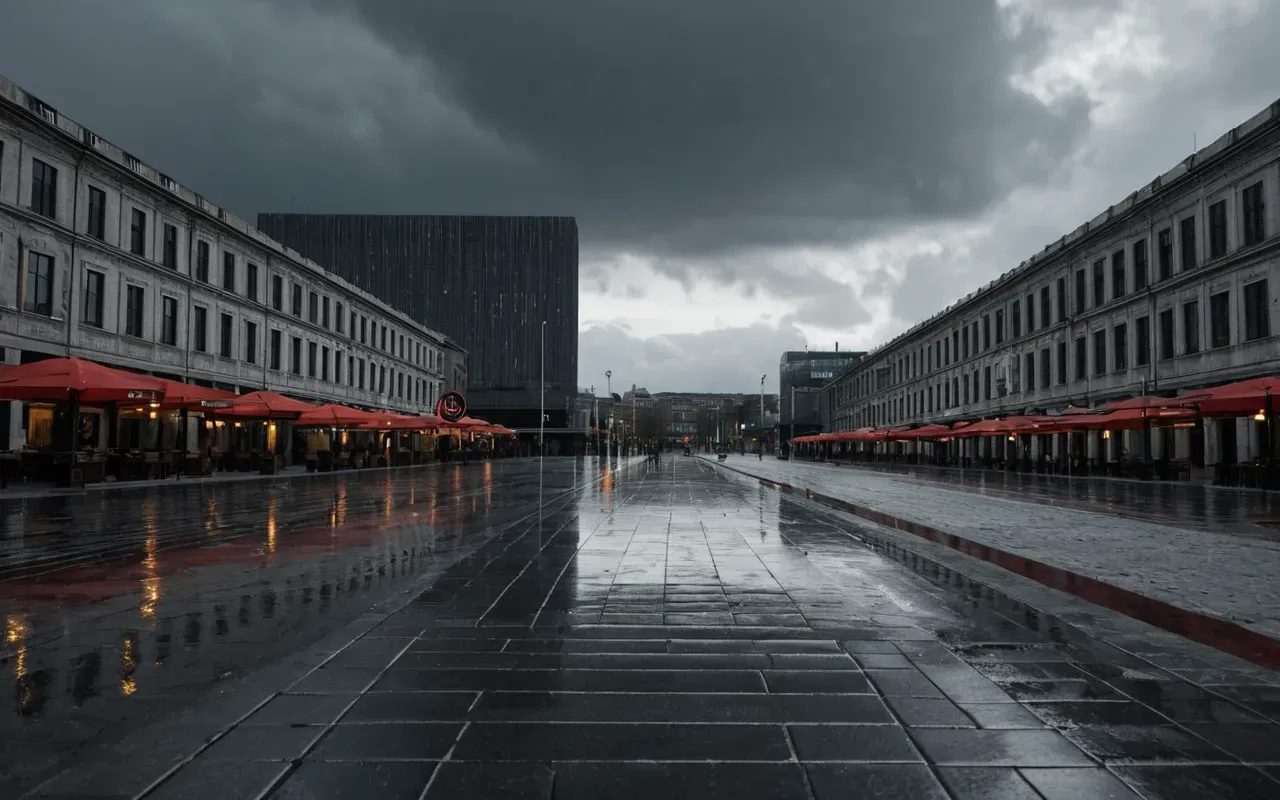
Here's the thing nobody tells you about city festivals. They have zero backup plan for bad weather. Rural campsites can throw up massive tents. Urban spaces can't — they're fixed, and infrastructure constraints box you in.
Organizers sink serious money into permits, sound systems, and food vendors. Every one of those costs is committed before the first person walks through the gate. If the weather fails on day one or two, the financial loss is catastrophic.
We keep seeing this trend in metropolitan areas. City density drives up the price tag for attendees. But that same density makes it impossible to build large indoor alternatives quickly.
The Economic Fragility of Summer Programming
Summer is a short window. In many temperate zones you get maybe ten to twelve weeks of viable outdoor weather. Miss one weekend and you can wipe out the entire seasonal profit margin.
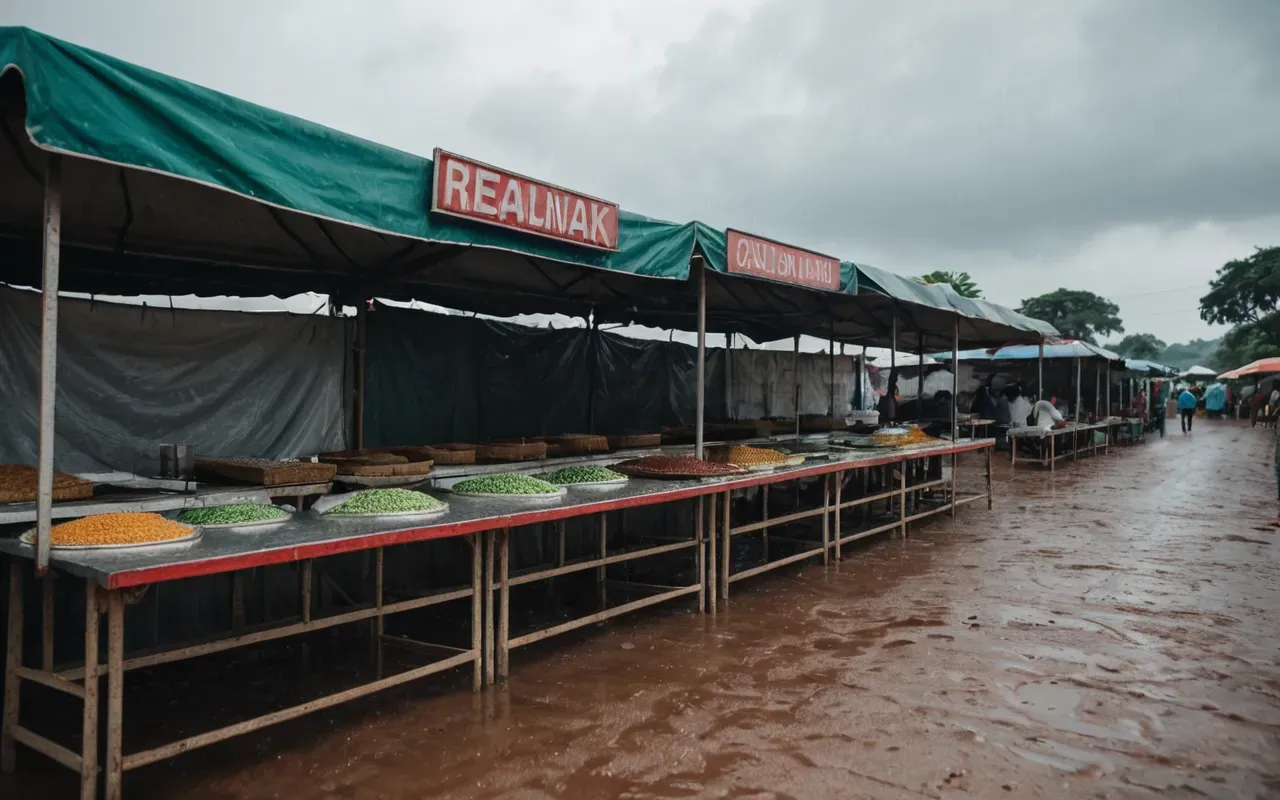
Vendors suffer too. A food truck operator spends thousands on inventory for a single weekend. Rain hits, that inventory is wasted. This ripple effect leaves small businesses extremely vulnerable to weather swings.
What This Means for Travelers Planning Summer Trips
If you're booking a trip centered on outdoor festivals, check the weather history for that specific week. Don't just look at averages. Look at the variability and cancellation rates.
I always advise clients to have a flexible itinerary. Build in indoor alternatives — museums, concerts — for every outdoor event you plan to attend.
The risk isn't just missing the show. It's getting stuck in a city with no rain gear and limited transport options because everything shut down.
The Hidden Costs of Weather Dependent Tourism
Hotels price their rooms based on expected demand during festival weekends. If the event cancels or attendance drops due to rain, those high prices become hard to justify.
You end up paying peak season rates for a valley experience. This mismatch is one of the biggest complaints I hear from travelers returning from summer trips.
Understanding this dynamic helps you negotiate better deals or choose alternative dates. It shifts the power back to the traveler.
Smart Strategies for Weather Resilient Travel
Book refundable tickets whenever possible. The small premium is worth the insurance against weather cancellation.
Monitor local news channels in real time. Social media often breaks cancellation stories faster than official websites.
Pack versatile clothing. Layers work better than heavy raincoats in unpredictable urban weather conditions.
Lessons From the Cancellation for Future Festival Planners
The industry needs to move away from pure outdoor reliance. Hybrid models with indoor backup stages could save entire seasons.
Technology plays a role here too. Real time weather integration into ticketing platforms could automatically adjust pricing or offer credits.
We're moving toward a more data driven approach to leisure planning. The days of gambling on weather are ending.

The Bigger Picture of Climate Shifts on Leisure Travel
Weather patterns are becoming less predictable. What used to be a reliable summer season is now full of surprises.
This forces both organizers and travelers to adapt. The traditional summer holiday model is under pressure from environmental factors.
I believe we'll see more indoor entertainment hubs in cities. The outdoor festival is becoming a luxury rather than the default.
How to Protect Your Next Festival Experience
Start by reading the fine print on weather policies. Many tickets are non refundable regardless of conditions.
Consider travel insurance that covers event cancellation. It's a cheap safeguard for expensive weekends.
Stay flexible with your dates. Shifting by a few days can completely change the weather outlook and ensure you enjoy the event.
The key is preparation. The best festivals are not just about the music but about smart planning that accounts for nature's unpredictability.


Comments ()