
The Sunny Day Fallacy Is Costing You Money
Most travelers pick a hotel room the same way they pick a picnic date: they check the forecast, see a little sun icon, and hit book. In this region, that's the wrong metric entirely.
I've watched this play out for three years now. Same story every time. People pay extra for clear skies, then spend the trip complaining about the humidity or the wind.
The local atmosphere doesn't cooperate with the forecast. A bright afternoon can flip into a cold, damp evening within thirty minutes of leaving your hotel.

Why Microclimates Matter More Than The Regional Forecast
The city is flat, but it isn't uniform. Tall buildings and canal water carve out pockets of wind that the regional forecast never captures accurately.
Put a room on a narrow street and it will feel noticeably colder and noisier than one overlooking an open square. That difference is measurable, not imagined.
So look at the building layout before you book. A north-facing window in a narrow alley traps cold air through the shoulder seasons.
Checking The Building Orientation For Comfort
South-facing rooms, on the other hand, pull in the most daylight during winter. That's a tangible benefit, and sunny forecasts routinely miss it.
Staying in late autumn or early spring? Prioritize daylight hours over clear skies. The sun angle is low and precious.
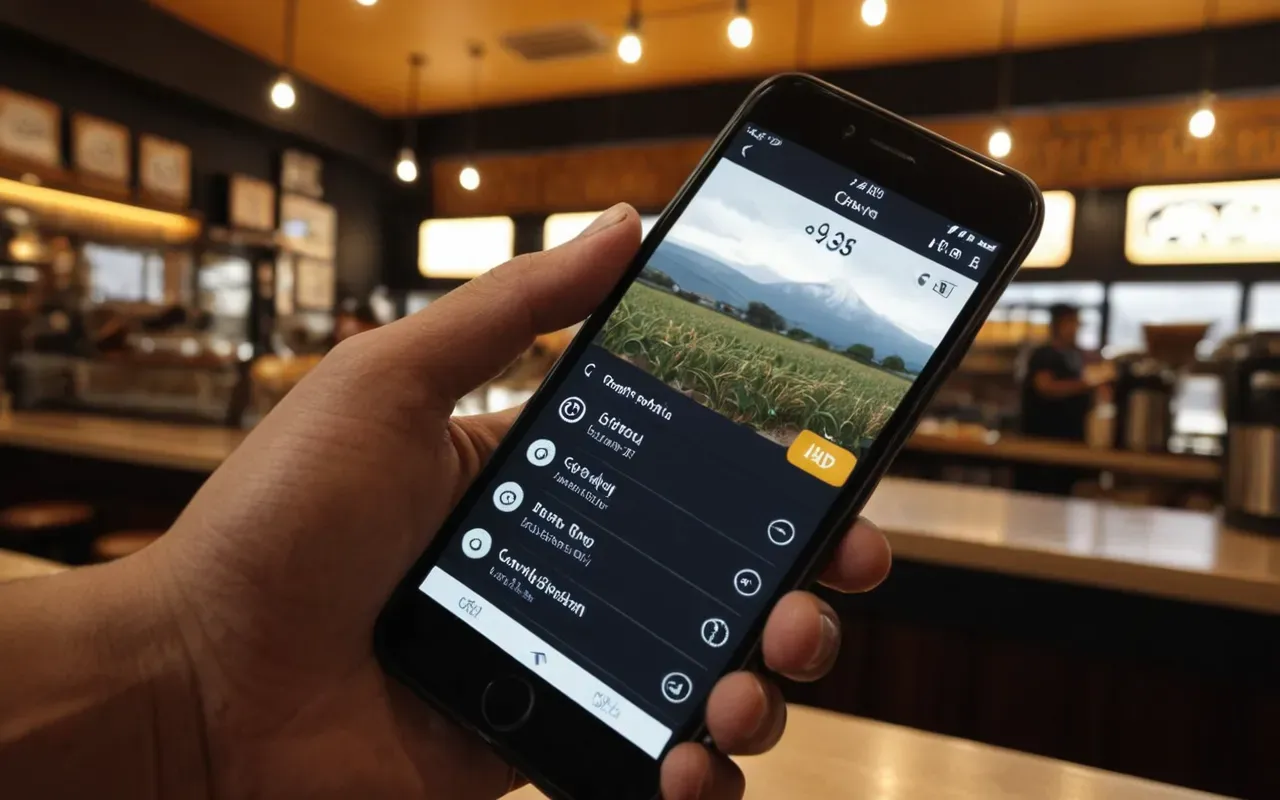
The Hidden Cost Of Overpaying For Clear Skies
Dynamic pricing algorithms adjust room rates based on predicted demand. Clear skies drive up prices without improving your actual experience.
I've seen identical rooms cost thirty percent more on a sunny weekend than a cloudy one. The comfort inside is the same. Exactly the same.
That premium goes into marketing budgets and agency fees. It does not buy you better heating or thicker walls.
How To Spot A Weather Surcharge In The Fine Print
Some listings tack on a peak season fee that correlates with sunny forecasts. Read the breakdown carefully before confirming.
Here's a trick: compare rates on a cloudy day in your target month. If the price drops significantly, you're paying for perception, not value.

Choosing The Right Room For Rainy Season Comfort
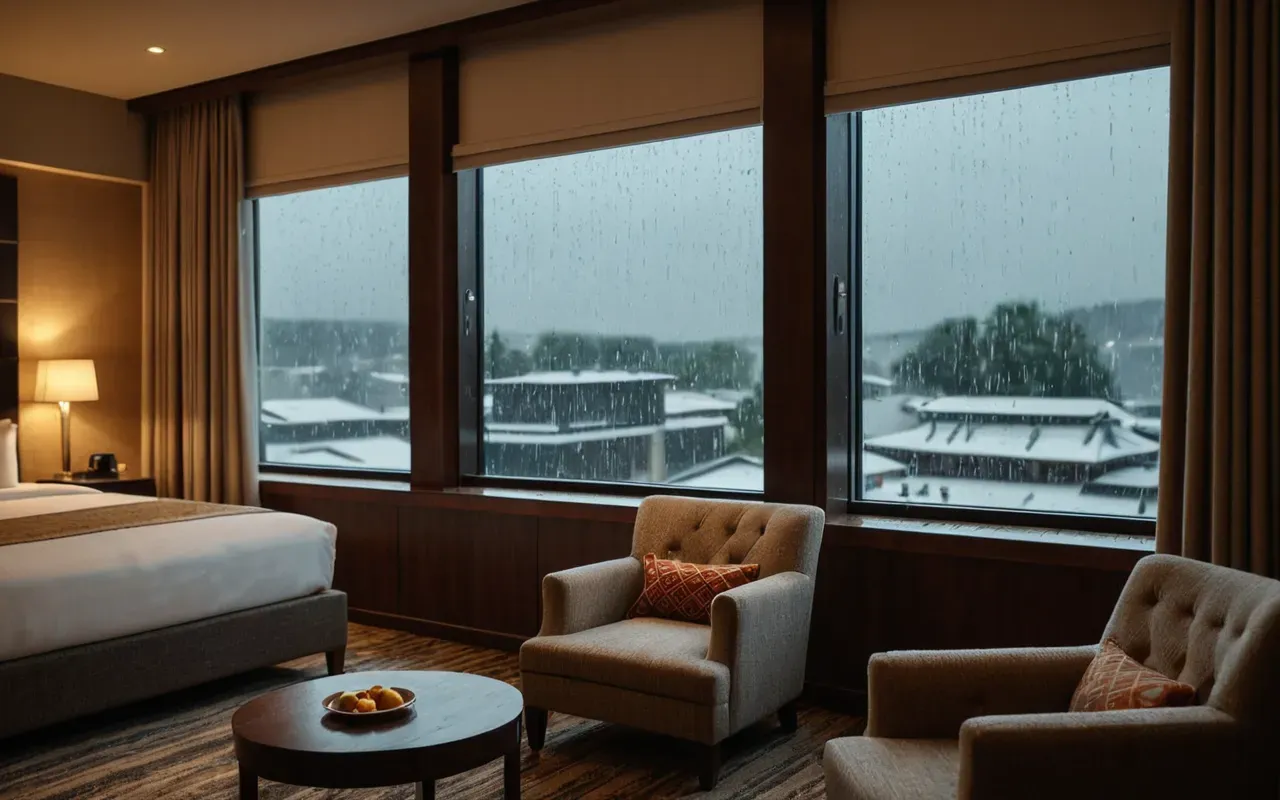
And rain isn't always the enemy. It creates a cozy atmosphere that sunny days often lack in this specific urban environment.
Look for rooms with high ceilings and large windows. The sound of rain on glass is a feature, not a bug.
If you hate noise, avoid ground floor rooms near busy intersections. Rain amplifies the sound of traffic on wet pavement.
Why Ground Floor Rooms Can Be A Mistake
Ground floors are often damp and darker too. The lack of natural light makes the space feel smaller than it actually is.
Second or third floors offer better light and less street noise. The view is often more pleasant without the glare.
Strategic Booking For The Best Value And Comfort
Book for cloudy days and you save money. Use that savings for a nice dinner or a museum visit.
The weather outside does not define your trip. Your room choice and local knowledge do.
Planning a longer stay? Think about the seasonal patterns. Shoulder months offer mild temperatures and lower prices.
Using Local Knowledge To Beat The Algorithms
Algorithms predict demand based on historical data. They don't know that you prefer rain, or that you work remotely.
Your personal preferences are your leverage. Use them to find rooms that the market overprices for no reason.

Frequently Asked Questions About Weather And Booking
What is the best time of year to visit for good weather?
Late spring and early autumn offer the most consistent mild temperatures. These months avoid the peak heat of summer and the cold of winter.
How much does room price vary based on sunny forecasts?
Prices can increase by up to thirty percent during predicted clear days. This premium is driven by demand rather than service quality.
Why are south-facing rooms better for winter stays?
South-facing windows capture the most direct sunlight during shorter days. This provides natural warmth and light that north-facing rooms lack.


Comments ()