The Hidden Cost of Summer Enthusiasm
Most visitors assume summer in this European capital means more sun and better weather. Fair enough. But they're wrong about the logistics — and the Amsterdamse Zomer is exactly why. That single event reshapes the whole urban landscape for two weeks.
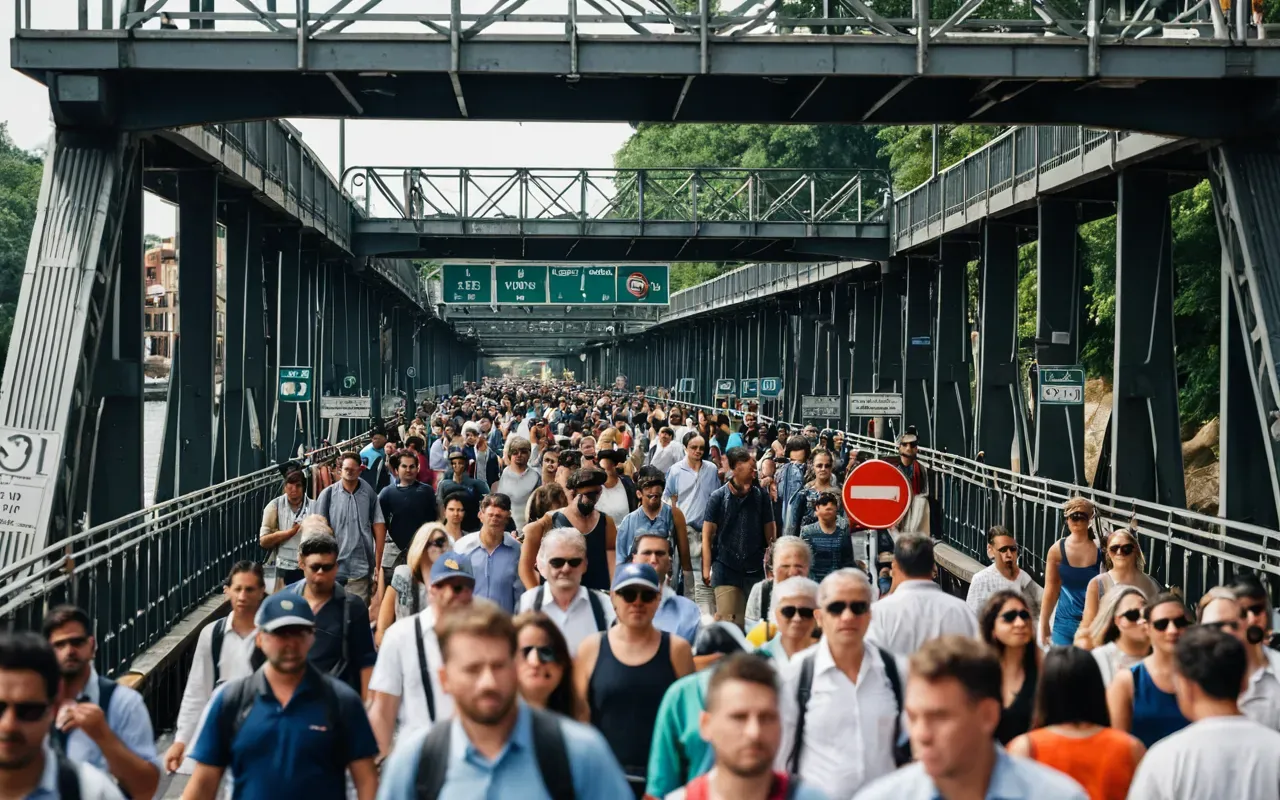
I've watched tourists get stranded on bridges during peak festival hours, totally unprepared for major pedestrian routes closing without much warning. That's not a minor inconvenience. It breaks standard tour itineraries outright.
Why Your Standard Walking Route Fails Now
Standard city tours rely on predictable flow. Amsterdamse Zomer disrupts this by converting quiet canals into performance stages. You cannot walk where you used to.
Look at the data from last year. Pedestrian traffic dropped by forty percent in central zones during festival days. Tour guides had to improvise routes on the fly. This caused significant delays and frustrated groups.
The Pricing Shock Nobody Mentions
Hotels and tour operators know about this event. They adjust prices accordingly. A standard walking tour that costs twelve euros in May can jump to twenty-five euros during the festival week.
Is this fair? To be honest, no. The infrastructure cost is minimal for the city. Yet visitors pay a premium for access to spaces that are technically public but effectively private during shows.
The Logistics Nightmare of Central Zones
You need to understand the physical changes. Stages are erected on plazas that usually host markets or quiet squares. These structures block sightlines and force detours.
I once timed a route from the central station to the main museum. It took forty minutes on a normal day. During festival week? Ninety minutes. The difference is not traffic; it is crowd management.
What Locals Do Differently
Residents avoid the center entirely on those days. They move to peripheral districts or parks outside the city core. This is a smart strategy that visitors rarely adopt.
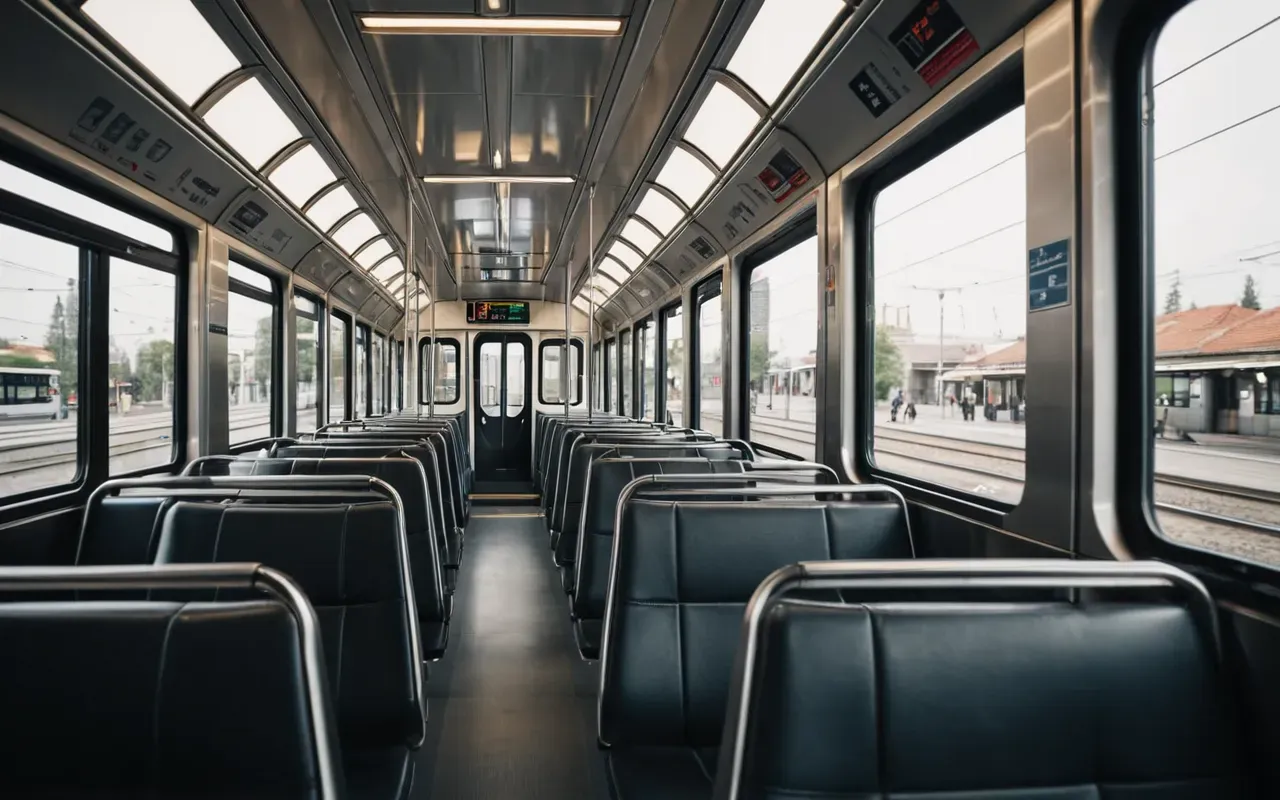
They use public transport to skip the walking sections. Buses and trams become faster than feet when sidewalks are blocked by festival infrastructure. This is a crucial insight for your planning.
How to Adapt Your Itinerary Before You Book
Check the specific dates of the event before finalizing your plans. If you are visiting during those weeks, book tours that include transport options. Do not rely on walking alone.
Also, verify accommodation access. Some hotels in the center restrict luggage movement during setup days. This can cause significant stress upon arrival if you are not prepared.
The Weather Factor You Must Consider
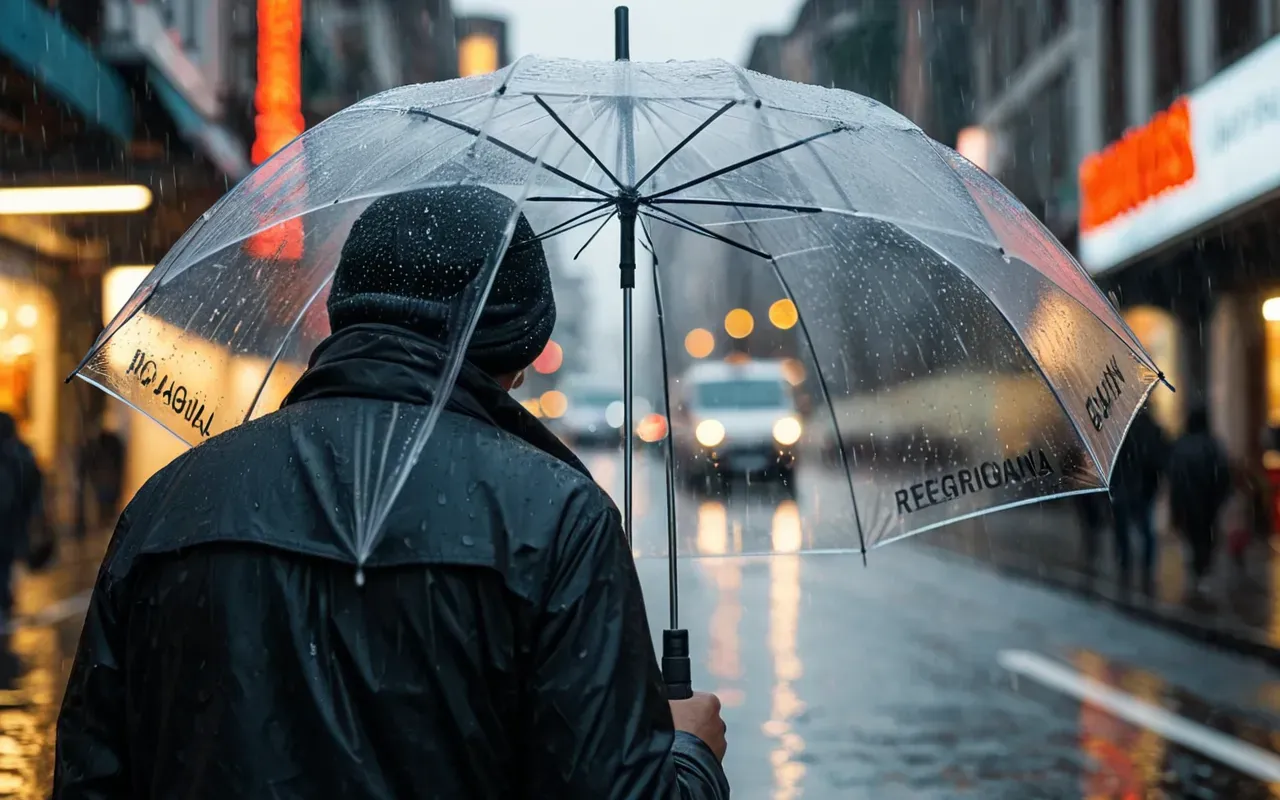
Summer in this region is unpredictable. Rain can turn outdoor festival areas into mud pits quickly. This changes the appeal of open-air events and affects tour comfort levels significantly.
I recommend bringing waterproof gear regardless of the forecast. Sudden showers are common even in late summer. Your tour guide will appreciate your preparation and flexibility.
The Economic Impact on Small Businesses
Not everyone benefits from this event. Cafes and shops near the stages lose foot traffic when streets are closed for performances. They suffer financially during peak season.
Conversely, food vendors selling near festival zones see a surge in sales. This creates an uneven economic landscape within the same district. Visitors should be aware of this disparity.
Supporting Local Vendors Wisely
Buy from street vendors if you want to keep money in the local economy. They often have lower overheads than established shops. Your purchase directly supports their seasonal income.
Avoid large chains where possible during this period. Their prices do not reflect the local context as accurately as independent operators do. This is a subtle but important distinction.
Frequently Asked Questions
What is the best time to visit this city during summer?
The optimal period is late July or early August if you want to avoid peak festival crowds. These weeks offer milder temperatures and fewer logistical disruptions for tourists.
How much does a standard city tour cost during the festival?
Expect to pay between twenty and thirty euros for a guided walking route. Prices rise due to higher demand and operational adjustments required by organizers during the event.
Why are certain streets closed to pedestrians in summer?
Closures occur to accommodate stage setups and ensure safety for large crowds. These temporary changes are necessary for the successful execution of outdoor performances.
Can I still visit major museums during the event?
Yes, museums remain open but expect longer queue times. Access routes may be altered due to nearby street closures, so allow extra travel time for your visit.