The Mayonnaise That Sparked a Legal War
Picture this: you're standing in line for more than an hour. For a potato. That's what happens at Fabel Friet, in Amsterdam's Negen Straatjes district.
Golden fries, thick truffle mayo, a mountain of Parmesan on top. Simple enough, right?
But this viral snack shop has turned into a symbol of something far bigger — the friction between global social media fame and the peace of a residential neighborhood.
How a Snack Stand Became a Neighborhood Threat
Locals are genuinely baffled by what they call mass hysteria over mayonnaise. And they say the shop wrecks their daily lives.
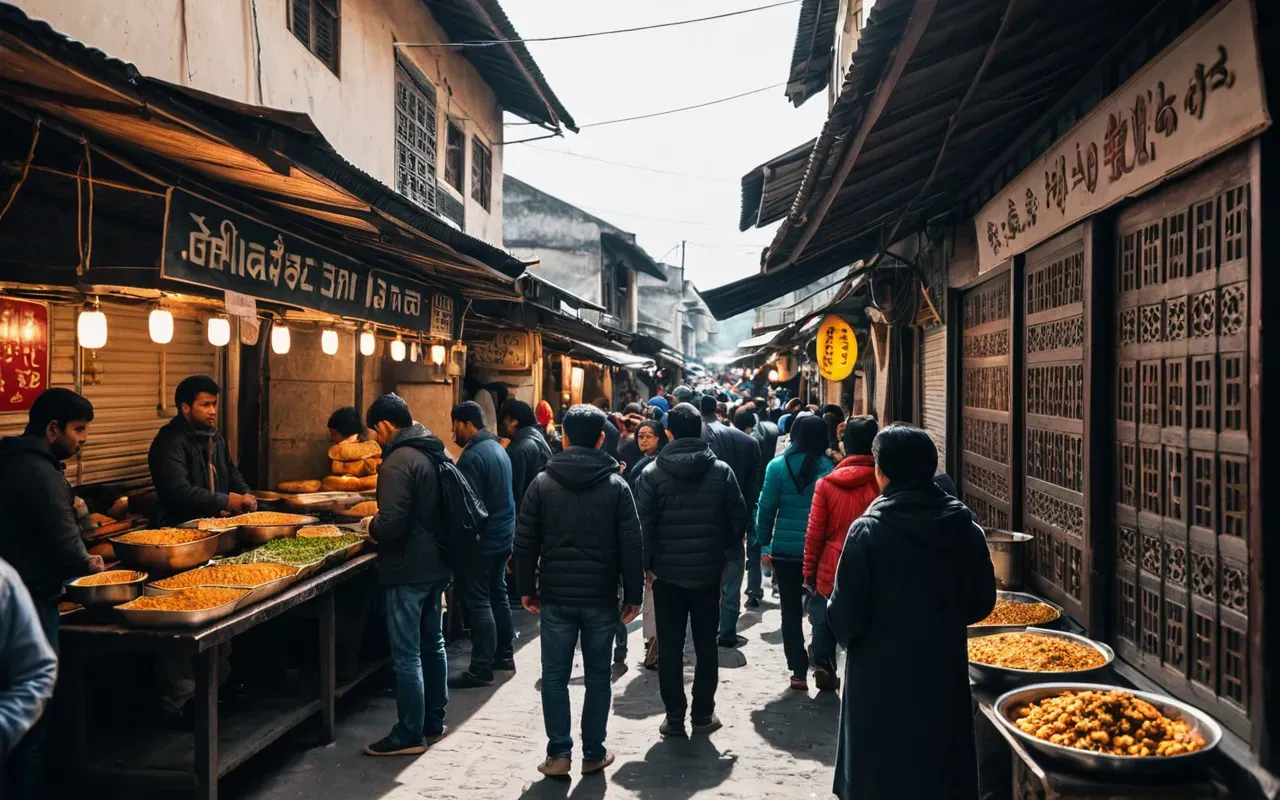
The Negen Straatjes are narrow. The sidewalks are tiny. Once the line stretches past the canal edge, bicycles and cars simply can't get through.
People eat on apartment steps and in front of shop windows. The whole area turns into a chaotic dining room with none of the infrastructure to support it.
Residents point to trash, seagulls, rats — direct consequences of the crowds, they say. In spring, they took their grievances to court.
The Falcon That Could Not Save the Situation
The owners have tried everything to calm things down. They emptied the trash cans four times a day.
They even brought in a falcon to scare off the seagulls. Didn't work.
Now security guards patrol with signs asking visitors to respect neighbors and not feed the birds. A desperate measure, honestly.

Who Wins in the Battle for Urban Space
This isn't just about fries. It's a microcosm of the overtourism crisis hitting cities worldwide.
Amsterdam gets nearly twenty-four million tourists a year. The city itself has only about nine hundred thousand residents.
Authorities have banned new hotels and raised tourist taxes. The crowds keep coming anyway.
If you're interested in how tourism shapes local economies and daily life, this broader look at urban saturation provides deeper context.
The Social Media Engine Behind the Madness
Platforms like TikTok turned Fabel Friet into a global hotspot starting in . The algorithm rewards sensory experiences.
Take the fourteen-year-old from Germany who found the shop on TikTok. The fries, he said, are delicious and filling.
It changes how we consume places. We don't visit a city anymore — we check in at its viral moments.
And that's a race to the bottom for attention. Businesses end up competing on photogenic appeal, not just quality.
What the Court Decision Will Change for Everyone
A judge rules on November . The decision could set a precedent for viral businesses in dense urban areas.
If the shop closes, the message is that local quality of life trumps commercial success. If it stays, extreme crowding becomes normal.
The owners insist they're good neighbors. They say they regret that the dispute ended up in court.
Then again, with five locations, one closure is a minor setback. The brand has already spread its risk.
The Bigger Lesson for Travelers and Locals Alike
We tend to judge destinations by their most famous attractions. We forget these places are someone's home.
So the next time you join a viral queue, think about the block around it. Is your five-minute photo worth their hour-long wait?
This story is a reminder that tourism isn't just an industry. It's a social contract between visitors and residents.
Support the shop or support the neighbors — one thing is clear. The old model of unchecked tourism growth is breaking down.
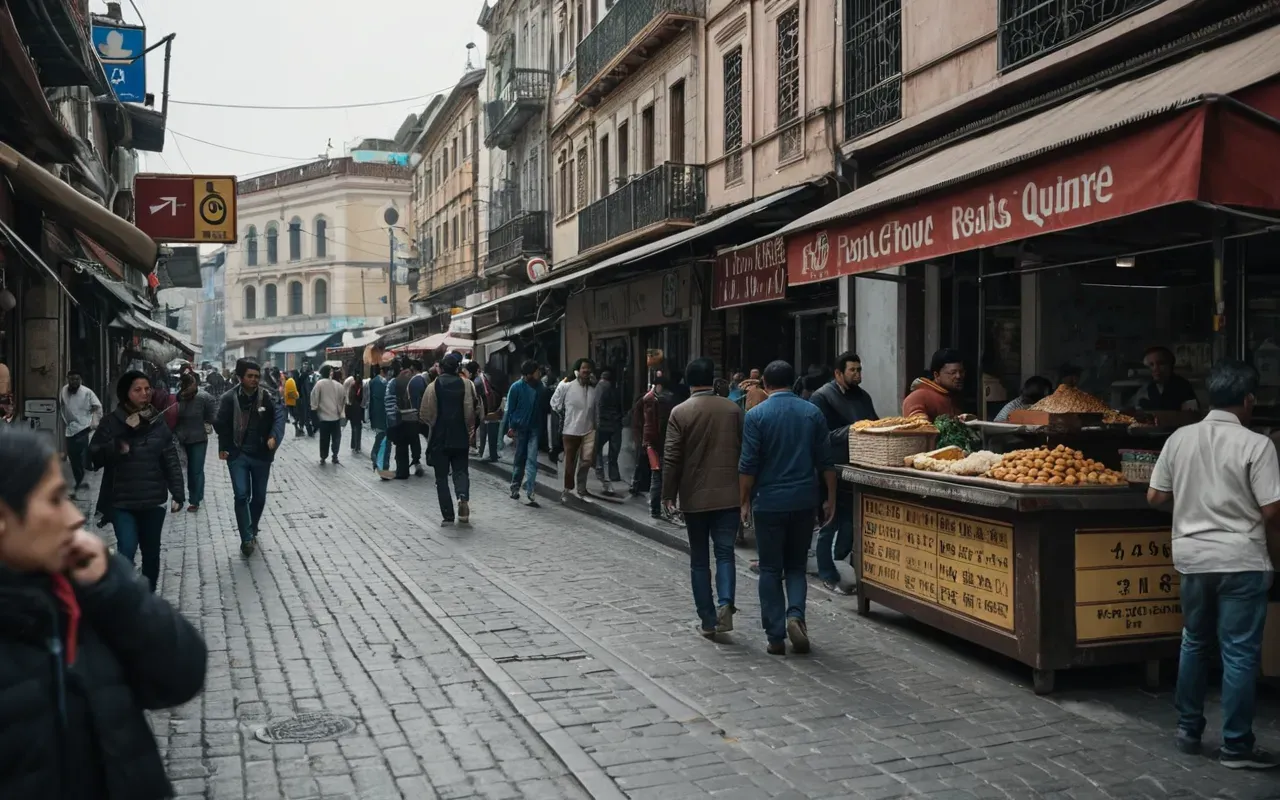
Urban planners and tourism boards worldwide will be watching this case closely. It's a test of how cities manage popularity.
For now, the fries stay golden and the lines stay long. The debate, though, is far from over.
In the end, we all want beautiful experiences. But beauty shouldn't come at the cost of livability.
What do you think. Should viral businesses be allowed to disrupt neighborhoods? Share your thoughts below.