
The Quiet Collapse of a Culinary Dream
Most people think a high-end restaurant closes because the food went downhill or the books stopped balancing. Nope. The real reason is usually far more physical — and far more emotional.
In Ghent, a well-known spot is shutting its doors after eleven years of hard work. The owners aren't hiding why. They're telling you straight out what ended it.
This is a story about two people who gave everything. They traded stable jobs for uncertainty. They built something beautiful, then watched it break them.
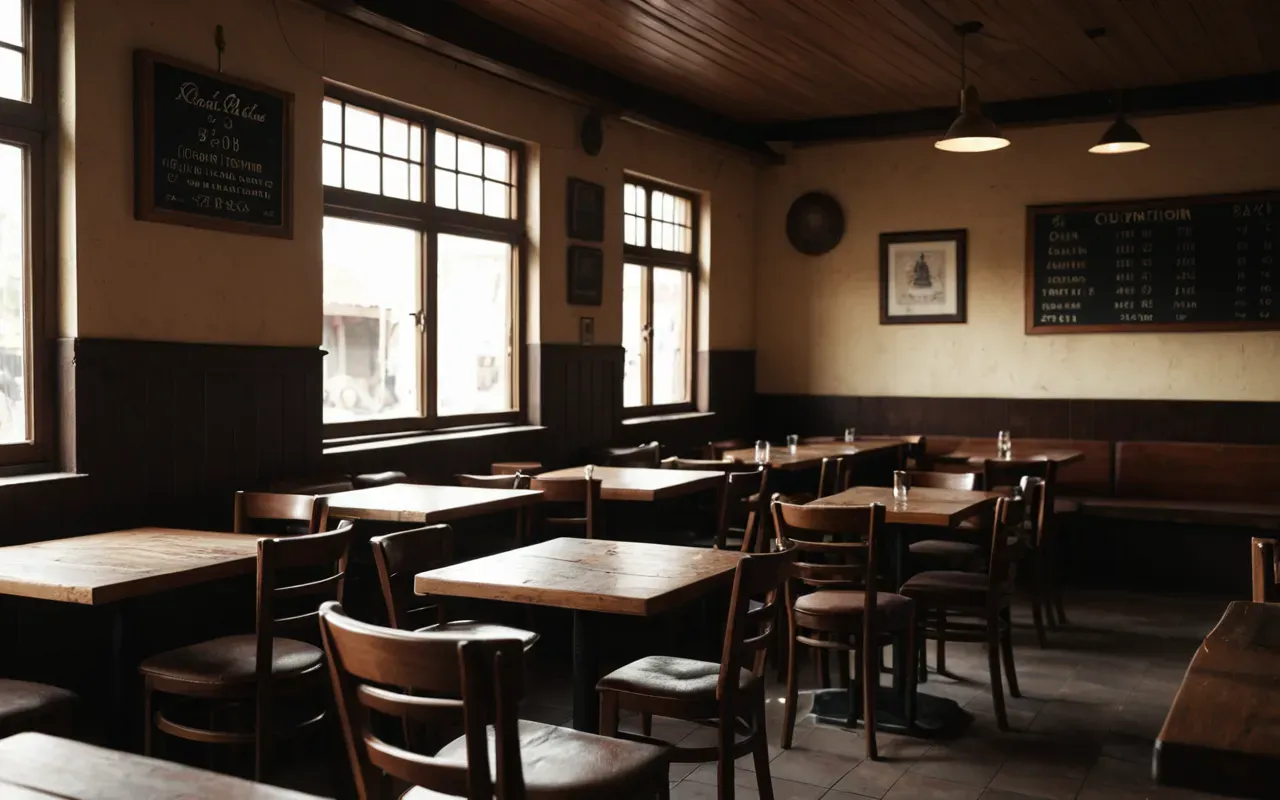
Why This Closes More Than Just One Door
When a starred venue closes, it sends shockwaves through the local tourism economy. It's not just one building going dark. Suppliers, staff, visitors — they all feel it.
Lose a top-rated spot and tourists lose a key destination. That changes how people plan their trips to the city. The ripple effect is significant, and it's immediate.
The Raw Truth Behind the Star
Joke and Villi started this venture in 2013. They left secure employment to chase a passion. At first, they didn't even have enough money for all the equipment.
They built their reputation slowly. They earned recognition from major guides. But behind closed kitchen doors, the personal cost had been piling up for years.
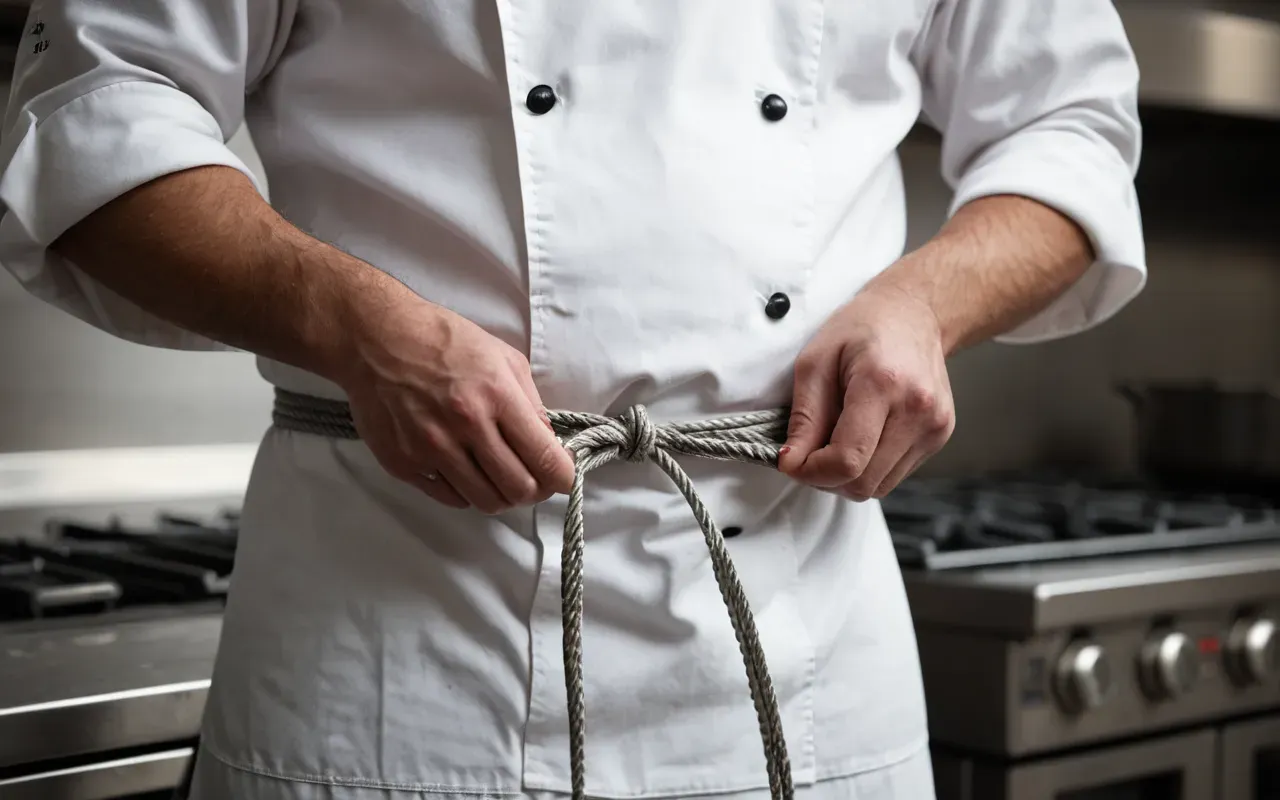
They described the industry as a rollercoaster. Beautiful on the surface, brutal underneath. You have to give everything you are, every single day.
This is the part nobody talks about in glossy magazines. The exhaustion isn't just mental. It's physical, and it compounds over years of service.
Personal Sacrifices That Stay Hidden
The owners shared a painful detail about their private life. Their children grew up near the workspace during busy shifts. Work and family boundaries blurred into one.
They suffered injuries while working. They also experienced a pregnancy loss. And all of it happened under the intense pressure of running a high-stakes business.
It was hard. They admitted they were glad they didn't know how difficult it would be before starting. That early ignorance is a painful memory now.
What Happens to the Space Next
The building in the Brabantdam area is set for sale. That move signals a final end to that specific era of dining in that location.
But the couple isn't vanishing from the food scene entirely. A seasonal rooftop concept will keep running through late summer.
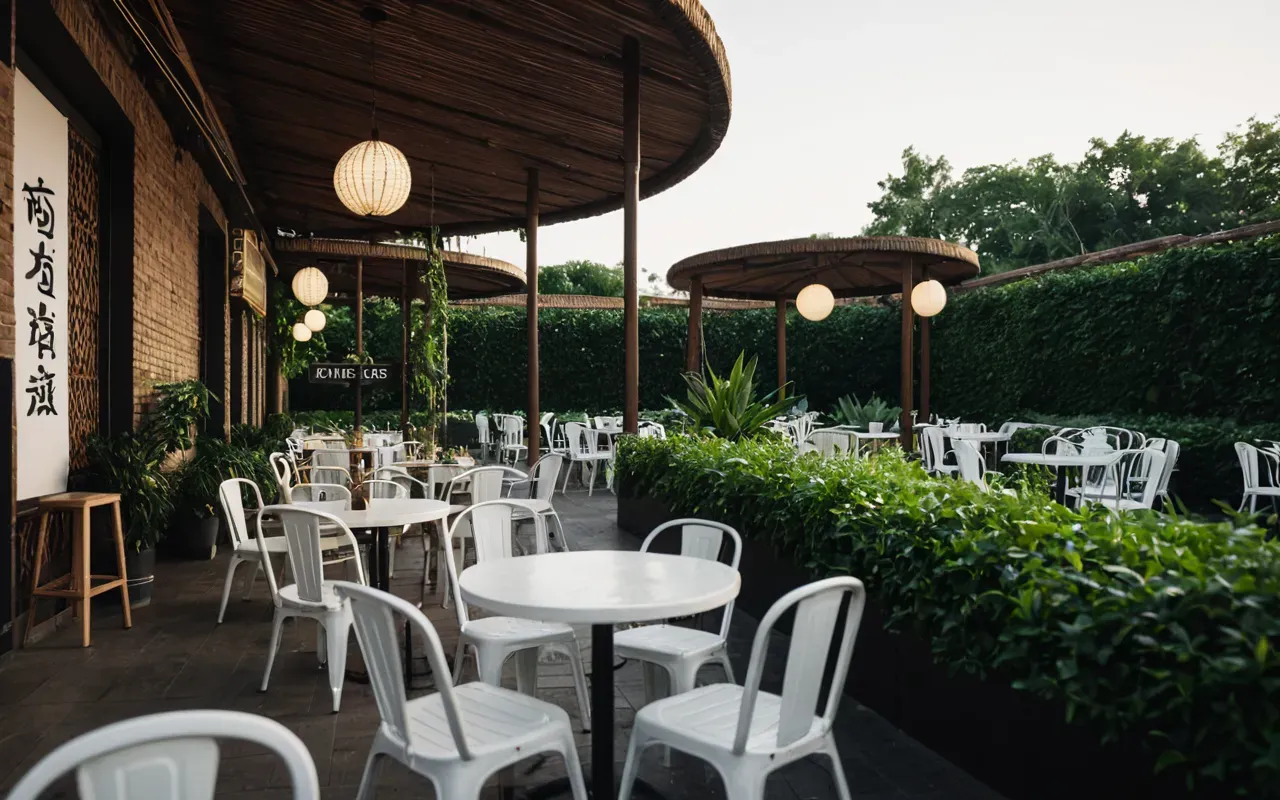
Other related businesses they run will stay open too. So this is a transition, not a total exit from the industry.
The Bigger Lesson for Diners and Owners
We tend to judge restaurants by the food alone. We forget the human cost behind every plate served with precision and care.
This closure is a reminder that sustainability in food service takes more than good recipes. It needs realistic expectations — and support.
If you love fine dining, think about the people behind it. Their health and happiness aren't infinite resources to be spent on your experience.


Comments ()