The AI Slip That Sparked a Backlash in Amsterdam
Here's the thing. A -person studio — led by the man who helped shape Assassin's Creed — just admitted that generative AI touched the early build of a witch-focused action game. The reaction was not subtle. Players spotted visual oddities in the prologue. Creators flagged promotional art. Social media did what social media does. This isn't a minor hiccup. It's a stress test for how the industry handles AI right now.
The game is : Amsterdam, set in a fictionalized version of the city during the th century. The protagonist is a witch named Noa, and the story weaves three timelines together. Ambitious. Personal. And built by a team that started working on it during pandemic lockdowns. That context matters. The tools they used back then were not the tools they're using now. Thinner oversight. Lower stakes. But the damage to trust is real.
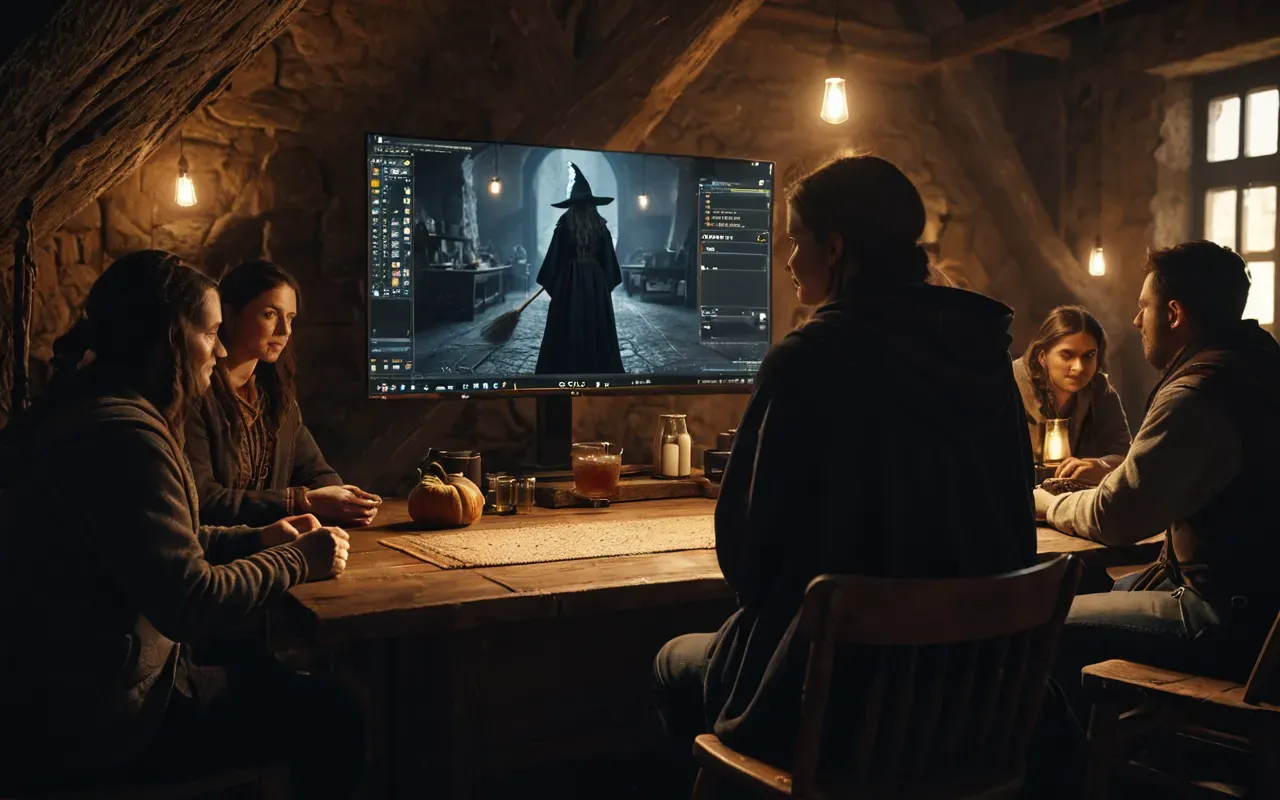
What struck me was how fast the conversation flipped from curiosity to accusation. One day, players were excited about a new Assassin's Creed brain entering the action genre. The next, they were dissecting every pixel for AI artifacts. Honestly, that shift says more about our current relationship with AI than it does about Panache Digital. We are not ready to treat this as a normal creative tool. We're still figuring out where the line is. And the line keeps moving.
Why This Changes More Than People Think
Most coverage frames this as a studio apology. That misses the point. This is a case study in how AI integrates into creative pipelines when oversight is weak. Panache is no small indie outfit. It's a -person team with a veteran at the helm. And even they let AI-generated content slip into a public demo. If a team of that caliber can't catch it, what does that say about the thousands of smaller studios quietly using the same tools with even less structure?
The Oversight Gap Nobody Is Pricing In
Désilets said the team integrated AI outputs without full oversight in the early stages. That's not a villain confession. It's a process failure. And it's one that will get worse, not better, as AI tools become more accessible. The problem isn't that AI is bad. The problem is that we haven't built the QA layer to catch where it goes wrong. We're treating it like a spell-checker for art. It's more like a co-author who sometimes hallucinates. And in a medium as visual as games, a hallucination is a red flag.
Look, the studio has since removed AI-generated content from the final build. They've tightened the asset pipeline. Applied stricter checks. Good. But trust damage is not a toggle you can flip back on. Players who saw the artifacts aren't going to forget. Creators who flagged the art aren't going to unsee it. And the industry will keep pretending this is an isolated incident. It's not. It's a symptom. And the symptom is spreading.
The Backstory the Source Skipped
Panache Digital started work on : Amsterdam in . That means the concept was born during a global lockdown. Small team. Tight resources. And the idea shifted from a devil's apprentice to a witch. That's not just a character swap — it's a thematic pivot. It happened in a context where AI tools were new, untested, and easy to reach for. The team was trying to do a lot with a little. That pressure creates shortcuts. And shortcuts create artifacts.
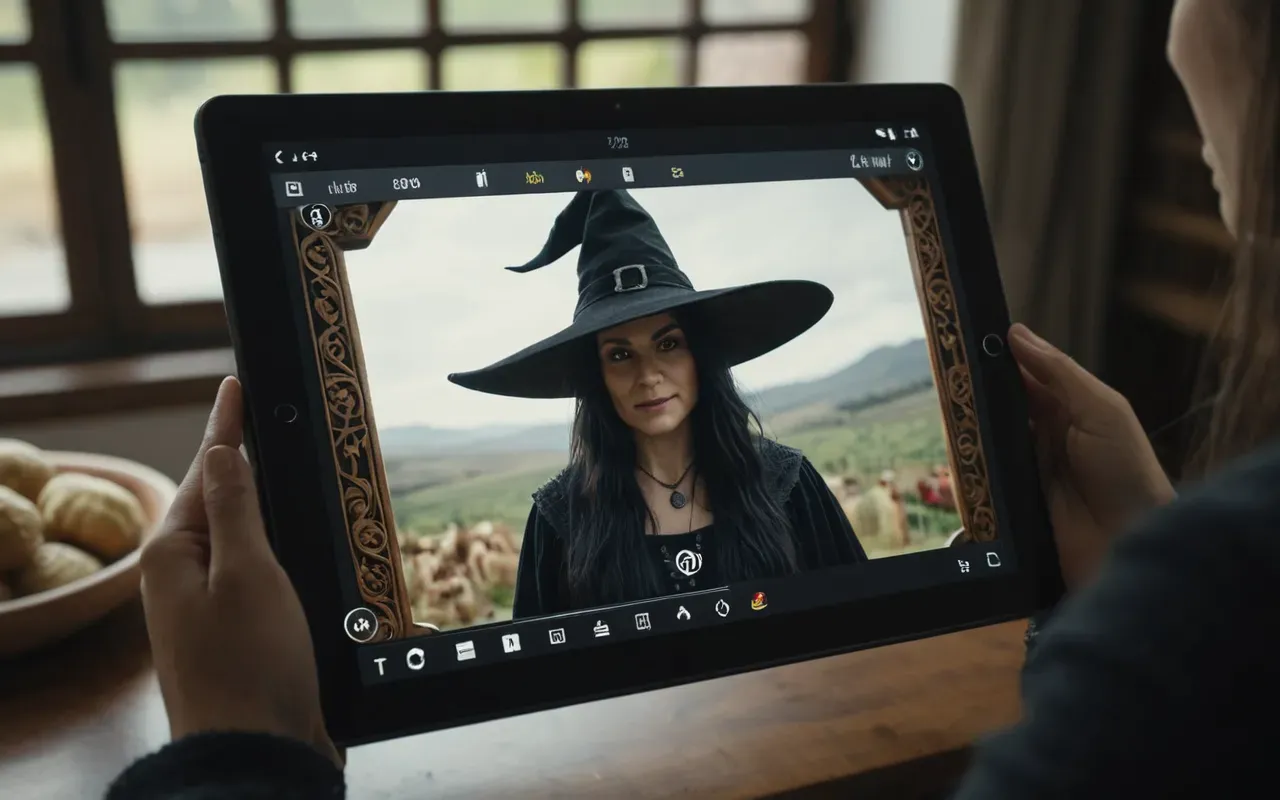
Désilets also hinted that an early backer is no longer involved. He offered a wry smile rather than specifics. Rumors have linked the funding to Xbox, but he would neither confirm nor deny. That ambiguity is telling. It suggests the project went through a phase of uncertainty. And in that phase, the temptation to lean on AI for speed and cost savings was probably higher. The team wasn't just building a game. They were trying to keep a project alive. Most of the coverage leaves that part out.
Who Wins and Who Loses in This AI Debate
The obvious answer is that players lose. They get a game that might be good, but they also get a story that taints the experience. The less obvious answer is that human artists lose. Every time a studio uses AI to generate variations, it's a small erosion of the value placed on human skill. And that erosion isn't just about money. It's about recognition. It's about the idea that a human hand made this. When that hand is replaced by an algorithm, the story changes. And the story is what we're buying.
The Uncomfortable Truth About AI as a Tool
Panache describes AI as a fast, iterative aid. Not a creative replacement. Fair enough. But the line between aid and replacement is thinner than most people think. When you use AI to generate concept variations in minutes, you're not just saving time. You're changing the creative process. You're shifting the weight from intuition to iteration. That shift is not neutral. It favors speed over depth. Volume over intention. And in a medium as personal as games, that's a trade-off that should be made consciously, not accidentally.
Désilets said the tools were so familiar to developers that they sometimes failed to notice AI artifacts in the pipeline. That's the most honest line in the whole controversy. It's not malice. It's familiarity. And familiarity is dangerous. Because when a tool becomes invisible, you stop questioning it. And when you stop questioning it, you start trusting it. And when you start trusting it, you stop checking it. And when you stop checking it, the artifacts slip through. And when the artifacts slip through, the backlash follows. And when the backlash follows, the trust is gone.
What Players Can Actually Expect From Amsterdam
The game interweaves three timelines. Noa in . Aaron in . Clio in the present day. Players follow a Collector tasked with tracking powerful beings called Originals. The plot ties supernatural elements to historical locations. It's a blend of action, mystery, and time-spanning storytelling. And it's launching in early access on PC on August . The price is $. That's not cheap. For a game that's still showing rough edges, it's a risk. But the concept is fresh. And the team is committed. That's enough to warrant a look, even if you're wary of the AI angle.
The preview noted that the concept feels fresh, though some systems and assets still show rough edges. That's honest. And it's important. Because this is not a polished, finished product. It's a work in progress. The early access phase is meant to let players experience the story while the team polishes the gameplay and visuals. That's a fair deal. It's also a risk. Because if the AI artifacts are still there in the final build, the backlash will be ten times worse. And if they're not, the studio will have turned a controversy into a redemption arc. That's a story worth telling.
The Bigger Conversation We Are Still Avoiding
The gaming industry isn't having a real conversation about AI. It's having a bunch of small, reactive ones. Not the same thing. A real conversation would mean clear guidelines. Transparent disclosure. A shared sense of what's acceptable and what isn't. We have none of that. We have studios apologizing. Players accusing. Creators flagging. And no framework to resolve any of it. That's the actual problem — not the AI. The missing conversation about the AI.
Désilets signaled discomfort at having a deep ethical discussion under the glare of journalists. Telling, isn't it? It means the conversation isn't organic. It's forced. Forced conversations tend to be shallow, and shallow ones don't stick — so the next controversy hits just as hard. The next one will be bigger. The one after that, harder to ignore. We're already there.
Here's the bottom line. AI isn't going away. It's in the pipeline. It's in the tools. It's in the workflow. The question was never whether to use it — it's how. Until the industry answers that with clarity and consistency, every studio that uses it is operating in a fog. In a fog, you make mistakes. The backlash follows. The trust goes. And when the trust goes, the game is over.
What This Means for the Future of Game Development
Panache Digital isn't the last studio to face this backlash. It's the first to face it with a high-profile name at the helm. That changes the stakes. A smaller studio uses AI, the reaction stays local. A veteran uses it, the reaction goes global. And that global reaction will shape how the industry handles AI from here — pushing studios toward transparency, players toward scrutiny, the whole conversation from the margins to the center. Good thing, honestly. Even if it's painful.
The game launches in early access on August . $. PC. The controversy is real. But so is the game. So is the story. So is the team. That's what matters — not the AI, not the backlash. The game. If it's good, the controversy fades. If it isn't, the controversy defines it. Every studio using AI is taking that risk, and the industry isn't ready to price it in. But we're already paying for it.