The Illusion Of Free Summer Culture
Most visitors think Amsterdamse Zomer is just free music in a park. Wrong. It's a massive logistical engine that moves thousands of people a day.
I've watched crowds shift like tides around the city center. Sure, the events are free — but the time you spend there isn't cheap.
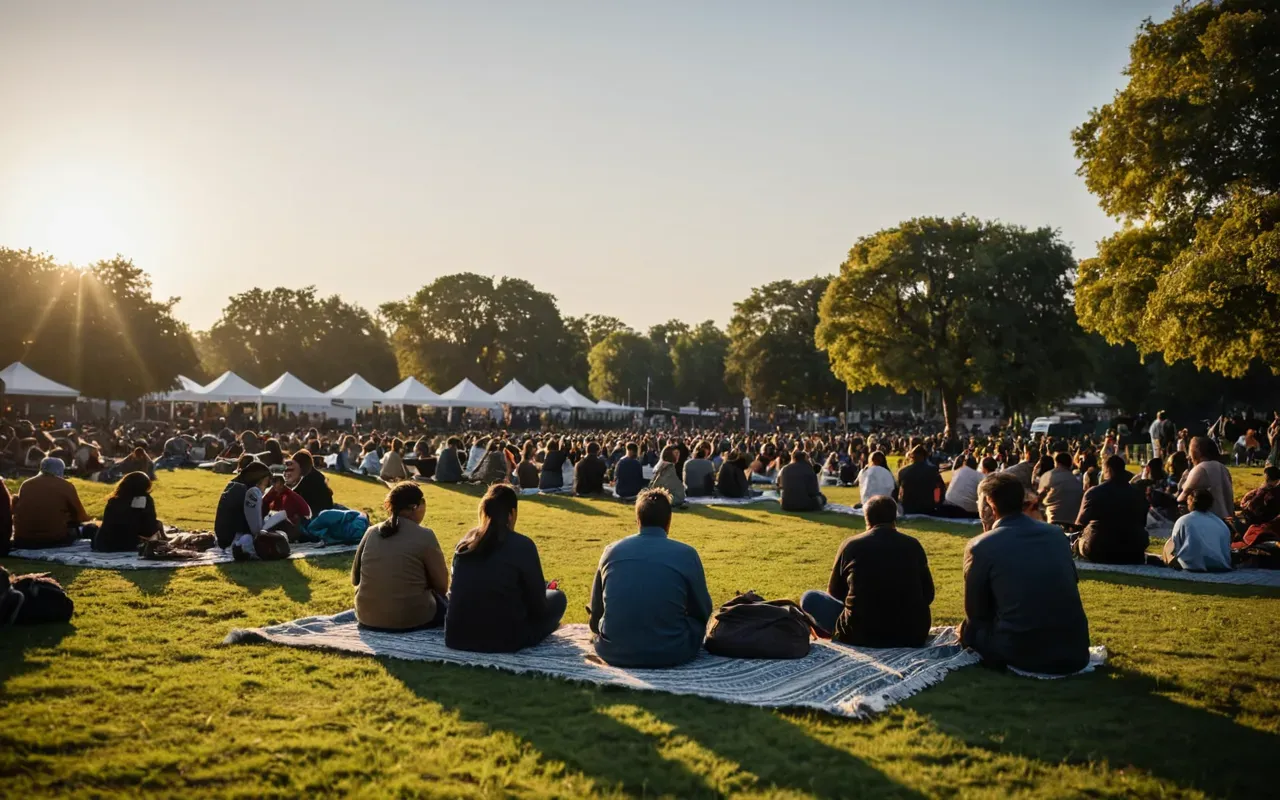
Why The Price Tag Is Invisible
You pay for the coffee. You pay for the tram ticket. And those small fees pile up faster than you'd expect.
Locals know the trick. Bring your own water bottle, pack a few snacks, and you can stay in the zone for hours.
The Logistics Of A City In Motion
Think about the infrastructure for a second. Every single day means moving stages, sound systems, and security crews across multiple districts.
It's not just about the music. It's about the flow of people and goods through narrow streets.
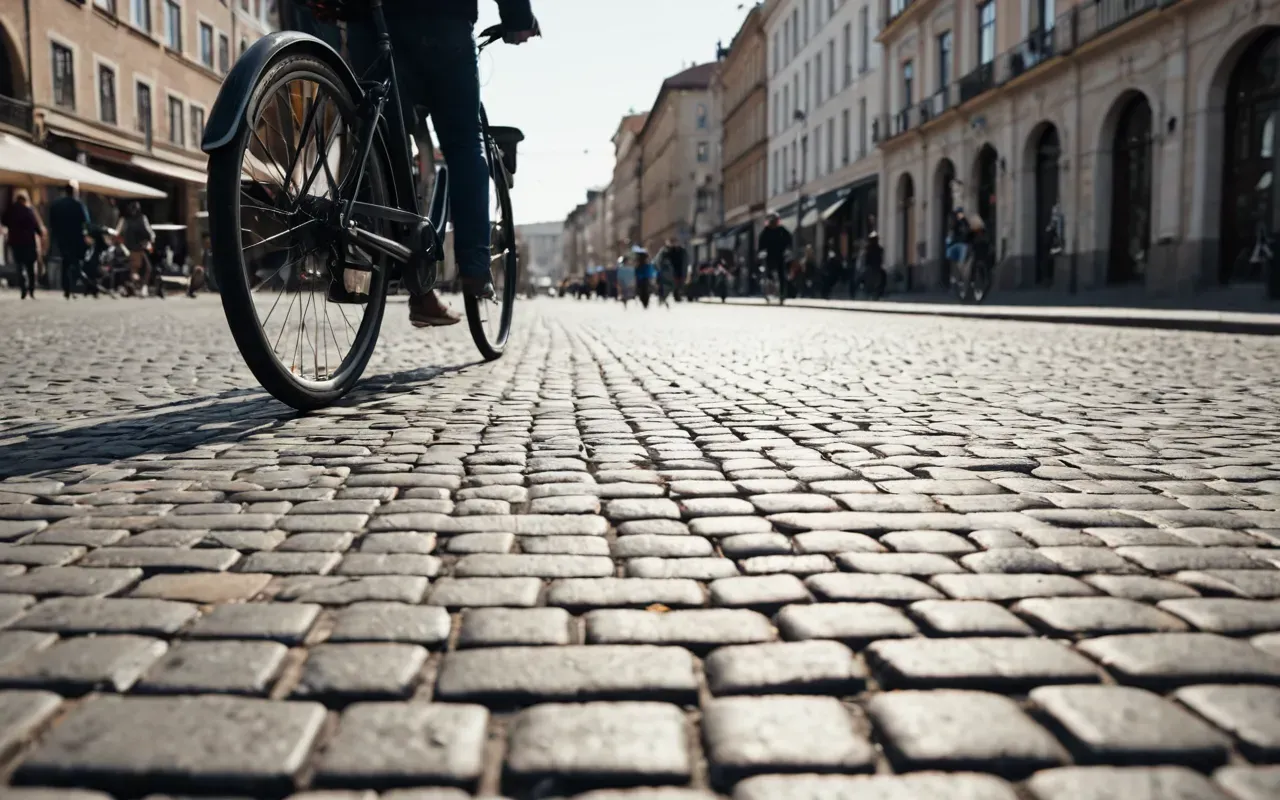
The Hidden Economic Engine
Small businesses near the venues see a real spike in sales. And no, this isn't only about tourism revenue.
The local economy runs on this seasonal pulse. It props up jobs that simply wouldn't exist in the summer months otherwise.
Local Secrets That Tourists Miss
Most guides tell you to head to the main square. Locals? They'll tell you to wait until after eight in the evening.
The atmosphere flips completely once the sun starts to set. Crowds loosen up, and the music somehow feels different.
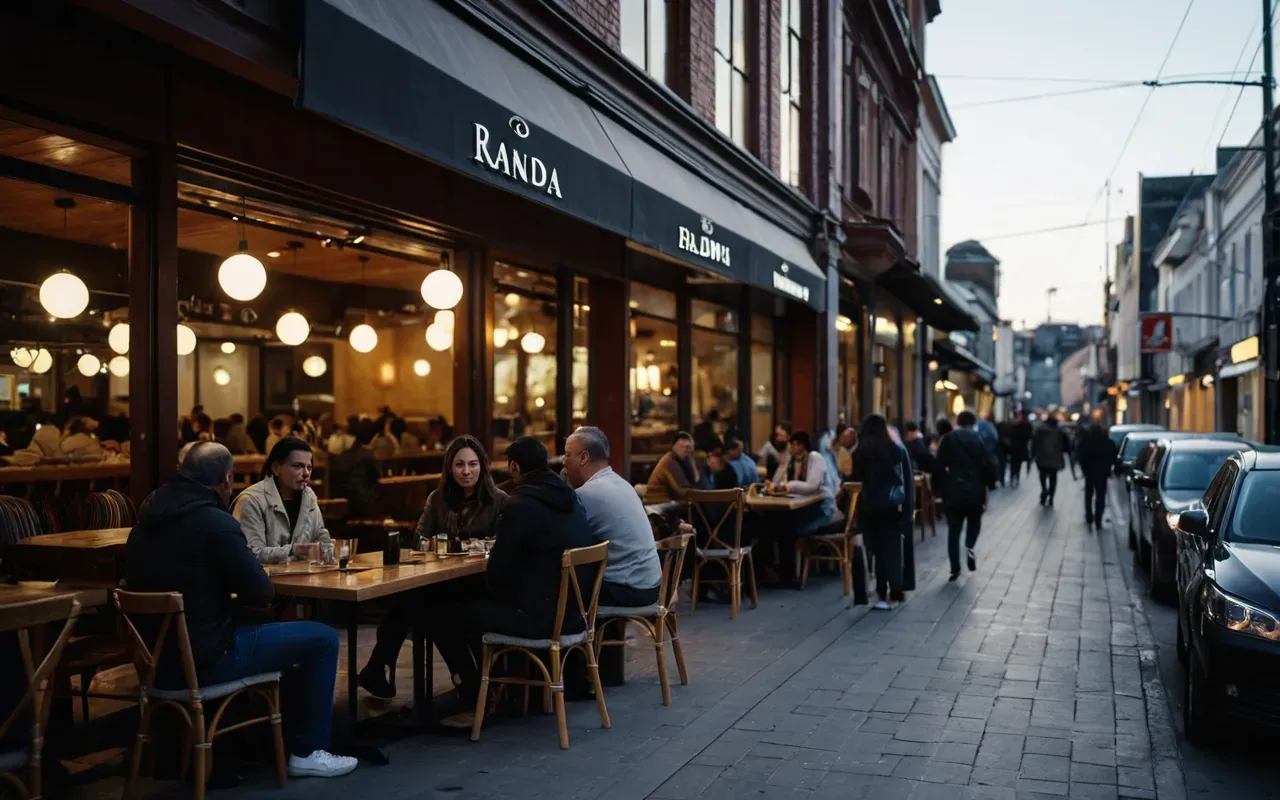
The Art Of Waiting For The Right Moment
You don't need to rush. Honestly, the best part is just watching how people interact with each other.
It's a social experiment in real time. Everyone shares the same space and the same energy for a few hours.
A Comparison With Other Summer Events
Other cities run similar summer programs. But this one feels more woven into the daily life of residents.
It's not a weekend thing. It stretches across several weeks and touches every corner of the urban landscape.
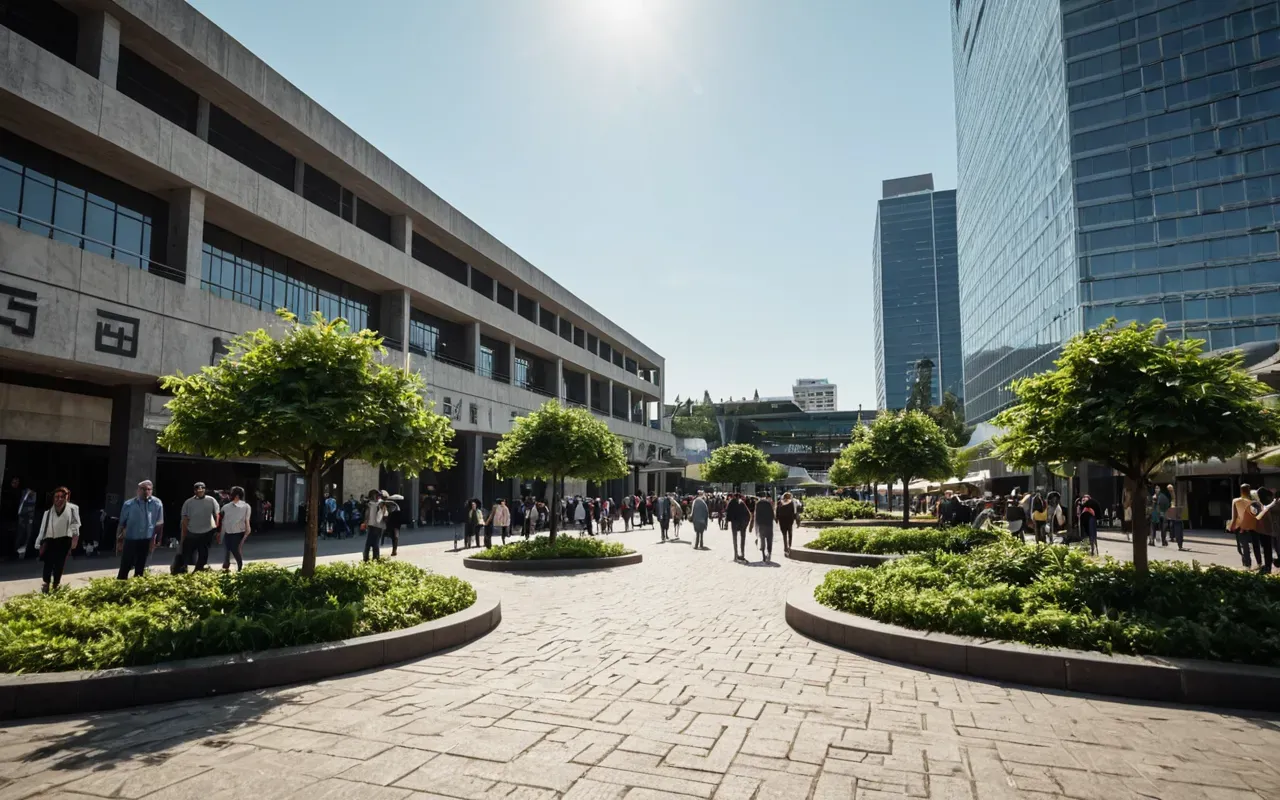
The Scale Of The Operation
Thousands of volunteers help run the logistics. That's a huge effort — and it takes careful planning and coordination.
Each stage has its own team. They handle sound, lighting, and safety so everything runs smoothly for everyone.
The Real Story Behind The Music
And it's not just about the artists. It's about the community that supports them and makes the whole thing possible.
The local scene plays a huge role in keeping the energy high. It's a shared passion, and it pulls people together.
How To Get The Most Out Of Your Visit
Plan your route carefully. Don't try to see everything in one day.
Pick two or three spots that actually interest you and stay there. Quality beats quantity. Every single time.
Frequently Asked Questions About Summer Culture
What is the best time to visit the summer events?
Late afternoon, around six pm, gives you the best light and energy. Crowds are active but not overwhelming.
How much does it cost to participate in summer culture?
Entry is usually free, but expect to spend on food and transport. Budget around ten euros per day for extras.
Why do locals prefer the evening sessions?
Evenings bring cooler temperatures and a more relaxed vibe. It's easier to socialize after work hours.