The building was built to make you feel small
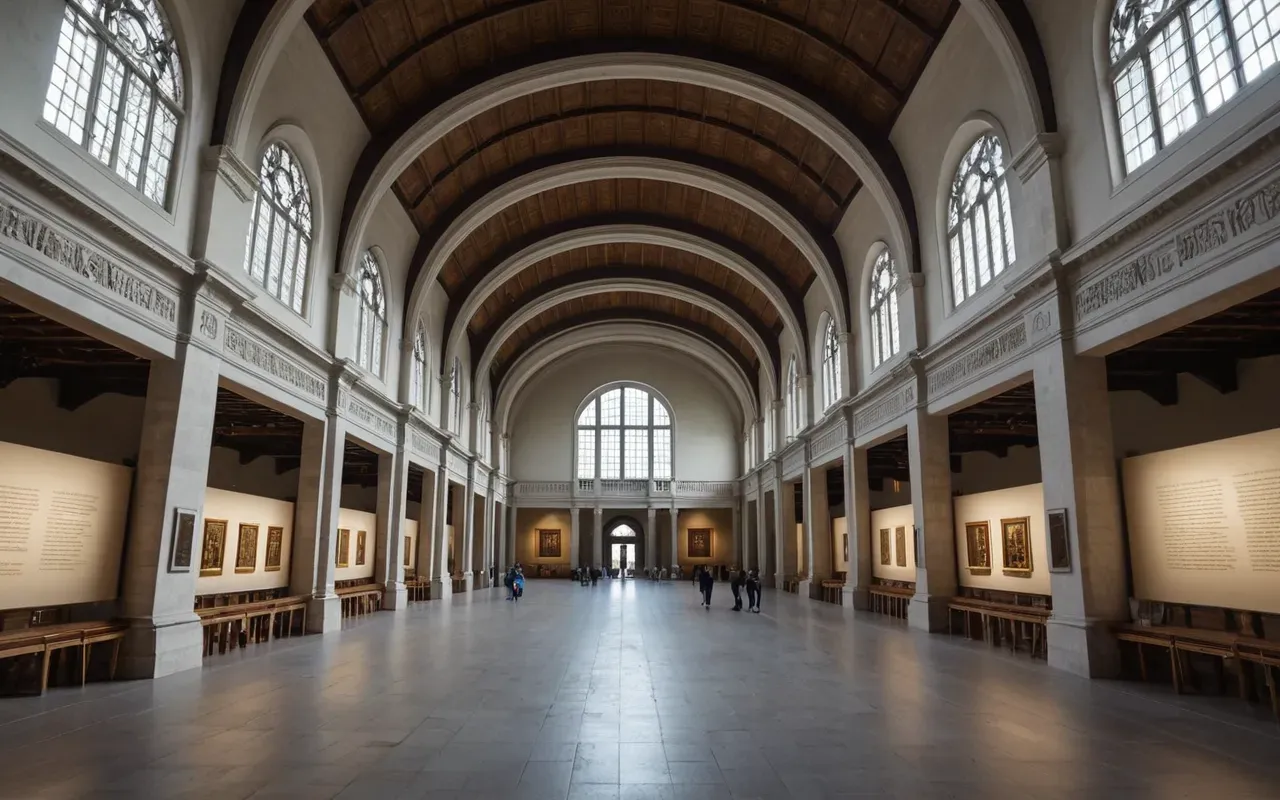
You walk into the main hall. The ceiling is high. Light filters through a massive glass dome. It feels like entering a cathedral, not an art gallery. That's not an accident.
Pierre Cuypers designed this space in the late th century. He wanted a structure that felt like a palace for history. The brick exterior is heavy and imposing. It stands on Museumplein, but it doesn't blend into the modern city around it.
Most travelers rush through here. They head straight for the famous paintings on the second floor. But I suggest you stop in that central passage first. Look up. The scale is deliberate.
Why the Night Watch is more than just a painting
Rembrandt painted The Night Watch in . It is massive. It measures over three by four meters. But the size isn't what makes it famous. The composition does.
In most group portraits of that era, everyone stands still. They look at the viewer. They are rigid. Rembrandt broke every rule in this piece.
The militia captain is stepping forward. A drummer boy is beating the drums. Light hits their faces but fades into shadow behind them. It feels like a moment in time, not a posed photo.
This painting is a national symbol. It represents the confidence of the Dutch Republic during its golden age. When you stand before it, you are looking at political power rendered in oil and varnish.
The hidden layer of Dutch trade history
Most visitors focus on the famous painters. Vermeer, Hals, Steen. And rightly so. But the museum holds far more than portraits and landscapes.
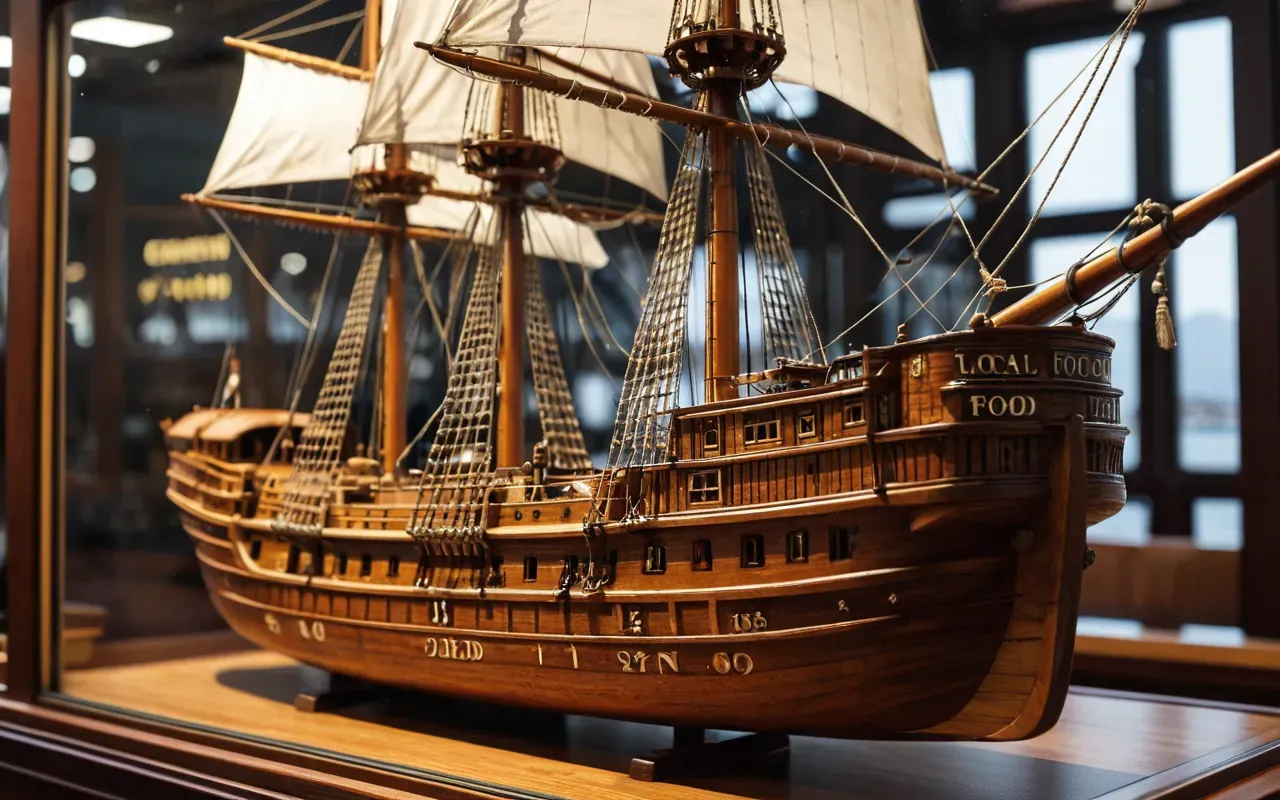
There are ship models. There is silverware. There are ceramics from distant lands. These objects tell the story of a trading empire that stretched across oceans.
I spent an hour looking at these smaller items. The detail is astonishing. You can see the craftsmanship of craftsmen who worked two hundred years ago.
How to actually see the museum without losing your mind
The crowds are real. Especially in summer. If you go at noon on a Saturday, expect to wait for an hour just to see the main works.
Here is my advice. Go early. Arrive thirty minutes before opening time. The galleries are quiet then. You can stand in front of a Vermeer for ten full minutes without anyone bumping into you.
Buy your tickets online. Do not wait in the physical line at the entrance. It is a waste of time and energy you need for looking.
The coffee shop strategy
There is a restaurant on the top floor. The food is decent. But the view from there is unbeatable.
Sit by a window. Order something warm. Watch the city passersby below. It gives you perspective on what you have just seen inside.
Why this matters more than any other European museum
We have seen many museums. The Louvre is bigger. The British Museum has more artifacts. But this place feels different.
It is compact in its focus on one era. It tells a single story about national identity and commercial power.
You leave with a clear understanding of how a small country became a global force. That is rare in modern cultural institutions.
The quiet rebellion of preservation
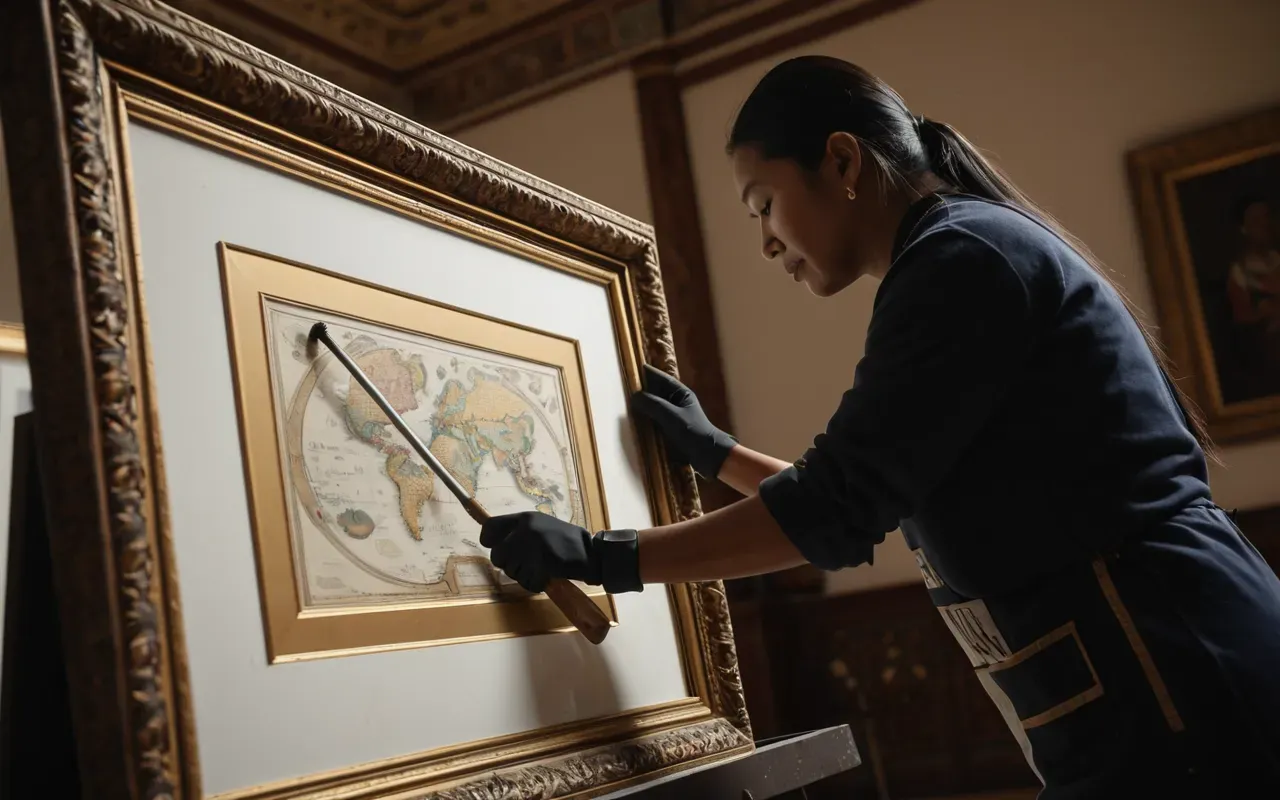
Conservators work here every day. They battle light damage and dust. It is a silent war to keep these images alive for the next century.
When you see a painting that looks fresh and vibrant, remember the years of careful maintenance behind it. It is not magic.
What happens when you ignore the context clues
Many tourists take photos of The Night Watch and move on. They do not read the placards.
They miss the point entirely. The story of who is in that painting changes how you see it.
I once met a guide who said most visitors miss the captain's pose. It is not static. He is in motion.
The economic reality of visiting a national icon
Admission is not cheap. But compared to the cost of airfare and hotel rooms in this city, it is reasonable.
You get access to centuries of history for a single fee. There are no extra charges inside once you enter.
If you are on a tight budget, look for free days or student discounts. They do exist.
Final thoughts on the power of place
We often think we are visiting buildings. We are not.
We are visiting moments in time that someone else preserved. It is a privilege.
Take your time here. Do not rush through the galleries like you are checking off a list.
Stand in front of the art. Let it change how you think about history and beauty.