The Trap Hiding in Your First Hour
You step off the train. The air hits you — cold, loud, immediate. You're gripping a heavy suitcase, and all around you a river of people is flowing toward the exits. So you follow the crowd. It's the natural thing to do. It's also the biggest mistake you can make in your first hour.
I've watched this happen hundreds of times. Tourists come up out of the main concourse and immediately hit the wall. The wall isn't physical. It's a density of bodies. Taxis waiting, buses boarding, people arguing. And you just stand there, confused, phone battery at percent, no idea where you are. That's the trap.
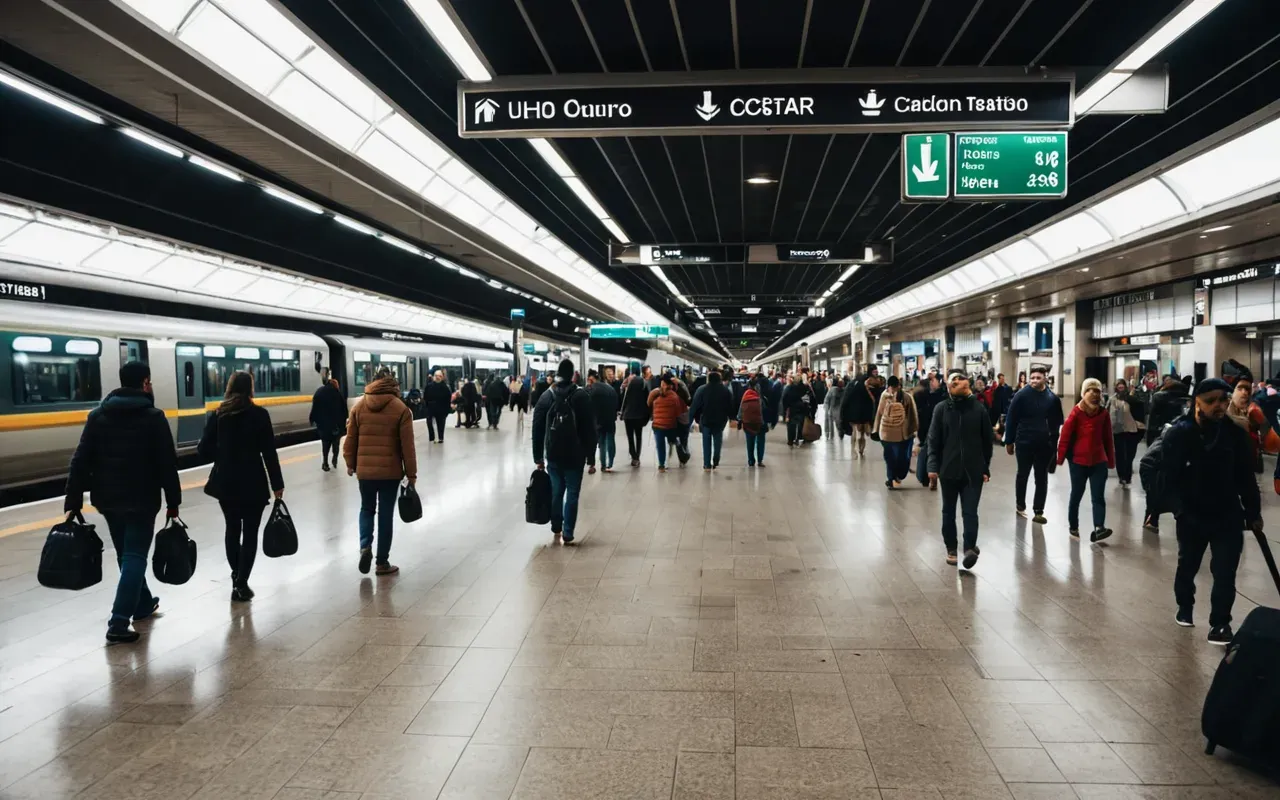
The problem isn't the station. The station is a masterpiece of engineering. The problem is assuming you have to go through the main doors. You don't. Those doors are built for locals going to work — efficient for them, a nightmare for you. You're carrying luggage. You're lost. You're vulnerable.
So what do you do instead? You use the minute rule. This is the secret locals and savvy travelers use to bypass the chaos. Simple. Effective. It saves you time, money, and your sanity. Let me explain exactly how it works.
Understanding the Station Architecture
Most people think of a train station as a single point. A dot on a map. It isn't. It's a three-dimensional machine — layers, flows, pressure points. If you don't understand the architecture, you'll fight against it. If you do, it will carry you.
Take the main concourse. The big glass hall. It's beautiful. It's also the most crowded space in the building, designed for short transfers — people come in, grab a coffee, leave. They're fast. They're light. They're not you. You're heavy. You're slow. You're lost.
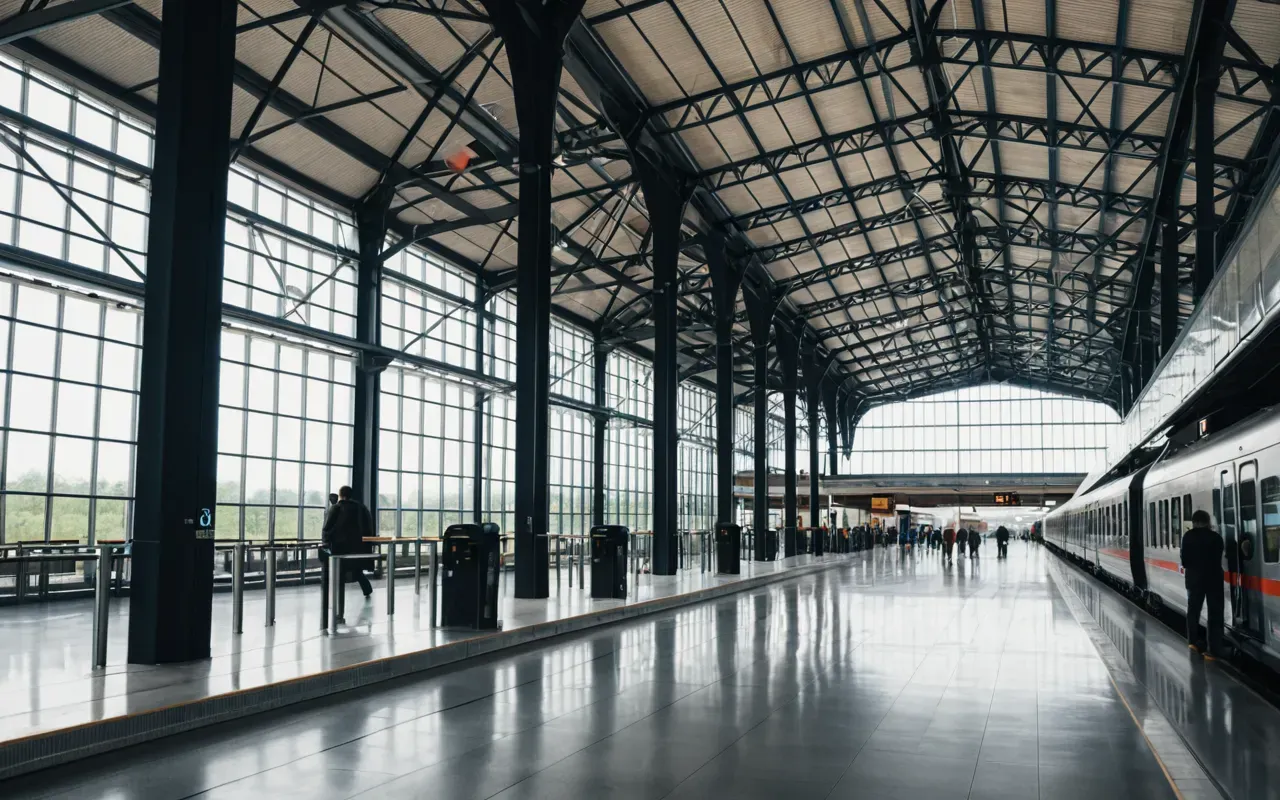
Then there are the side exits. These are the secret. Less busy, quieter, leading to different streets and different bus lines. Most tourists ignore them because they're afraid of getting lost. But getting lost isn't the risk. Getting stuck is the risk. The side exits are your escape route.
Here's the thing about the architecture. The main concourse is a bottleneck. The side exits are the bypass lanes. You don't need to go through the bottleneck — you need to find the bypass. That's the core of the minute rule. It's about choosing your path before you start walking.
The Minute Rule Explained
The rule itself is simple. Do not spend more than minutes in the station. Not . Not . Fifteen. Hard limit. If you haven't reached your destination by then, you're doing something wrong. The station isn't your destination — it's a transition point. Treat it like a tunnel. Enter, walk, exit. Don't linger.
Why minutes? Because that's how long the crowd takes to peak. The train arrives, the crowd surges, and for the next to minutes the main exits are clogged. After that, the flow stabilizes. Wait minutes and you miss the surge. Go immediately and you're in it. You need to time your exit perfectly.
Here's how. When you step off the train, look at the clock. Note the time. Start walking immediately. Don't stop. Don't look at your phone. Don't check the map. Just walk toward the exit you chose. You have minutes. Use them wisely. Still in the station after ? You've failed.
I know it sounds aggressive. But it works. The human brain freezes under pressure — the crowd triggers a panic response, you start overthinking, doubting, and then you stop walking. Force yourself to keep moving and you bypass the panic. You become part of the flow. You exit. You're free.
Choosing the Right Exit
This is where the minute rule gets practical. You need to know which exit to take, and that depends on where you're going. Heading to the city center? The main exit is fine. Heading to a specific neighborhood? The side exits are better. Faster. Quieter. Smarter.
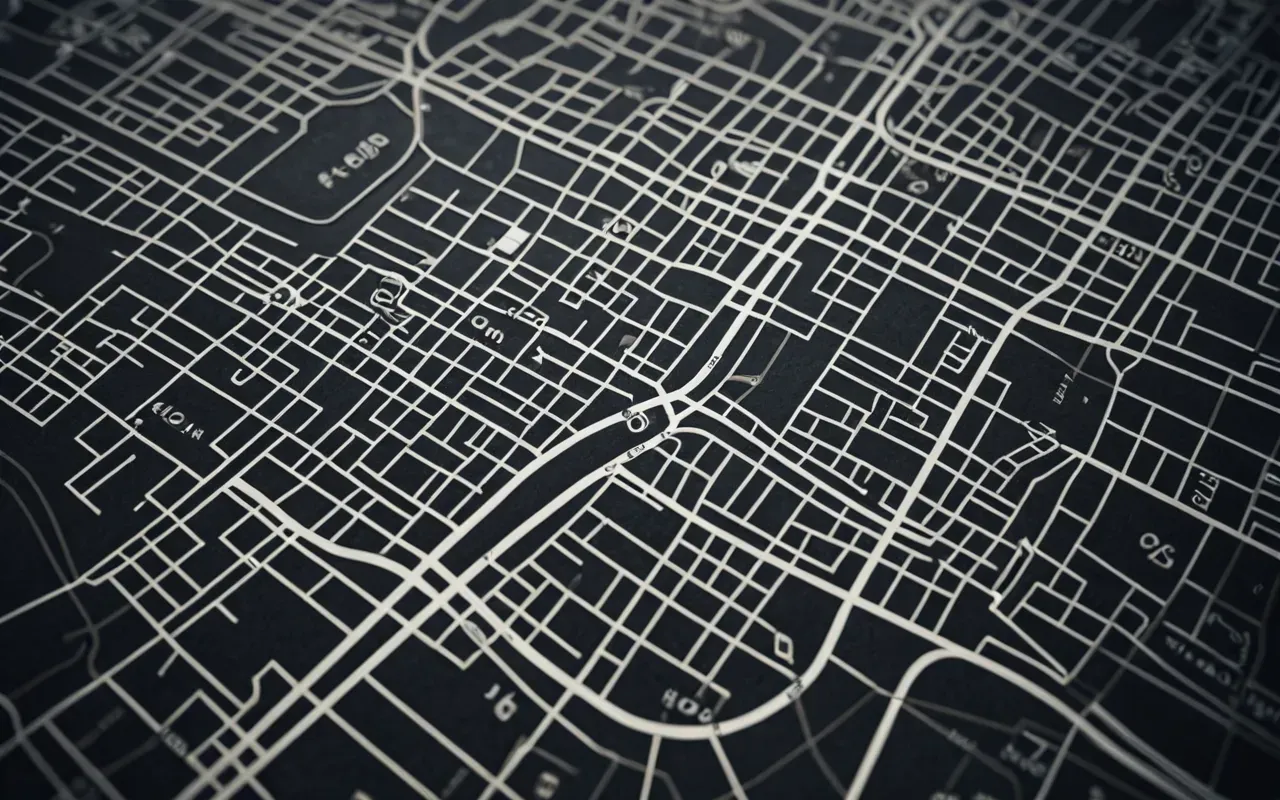
Look at the map before you arrive. Yes, I know. You're on the train, you're tired. But take five minutes. Look at the map. Identify your exit. Mark it in your mind. When you step off the train, you don't need to think — you just need to go. Your body will follow your mind. That's the power of preparation.
The main exit leads to the busiest street. Full of taxis, full of tourists, full of noise. Going to a hotel? Fine — take a taxi, it's fast and easy. But it's expensive. Going to a museum? Bad idea. You'll walk through the crowd, slow and tired.
The side exits lead to quieter streets. Less busy, less noisy, better for walking. If you're going to a specific location, the side exits are your best friend. They put you on the right side of the city. They save you time and energy. They're the smart choice.
The Taxi Trap You Must Avoid
Let's talk about taxis. Convenient. Fast. Also a trap. The main exit is where the taxis are. The side exits are where the buses are. Take a taxi and you pay for the convenience. Take a bus and you pay for the time. Which is better? Depends on your situation.
Here's the thing about taxis. They're expensive. A short ride can cost or euros. That's a lot of money. On a budget, it's too much. Lots of luggage? Worth it. Traveling with a group? Worth it. Alone with one bag? Not worth it. Take the bus.
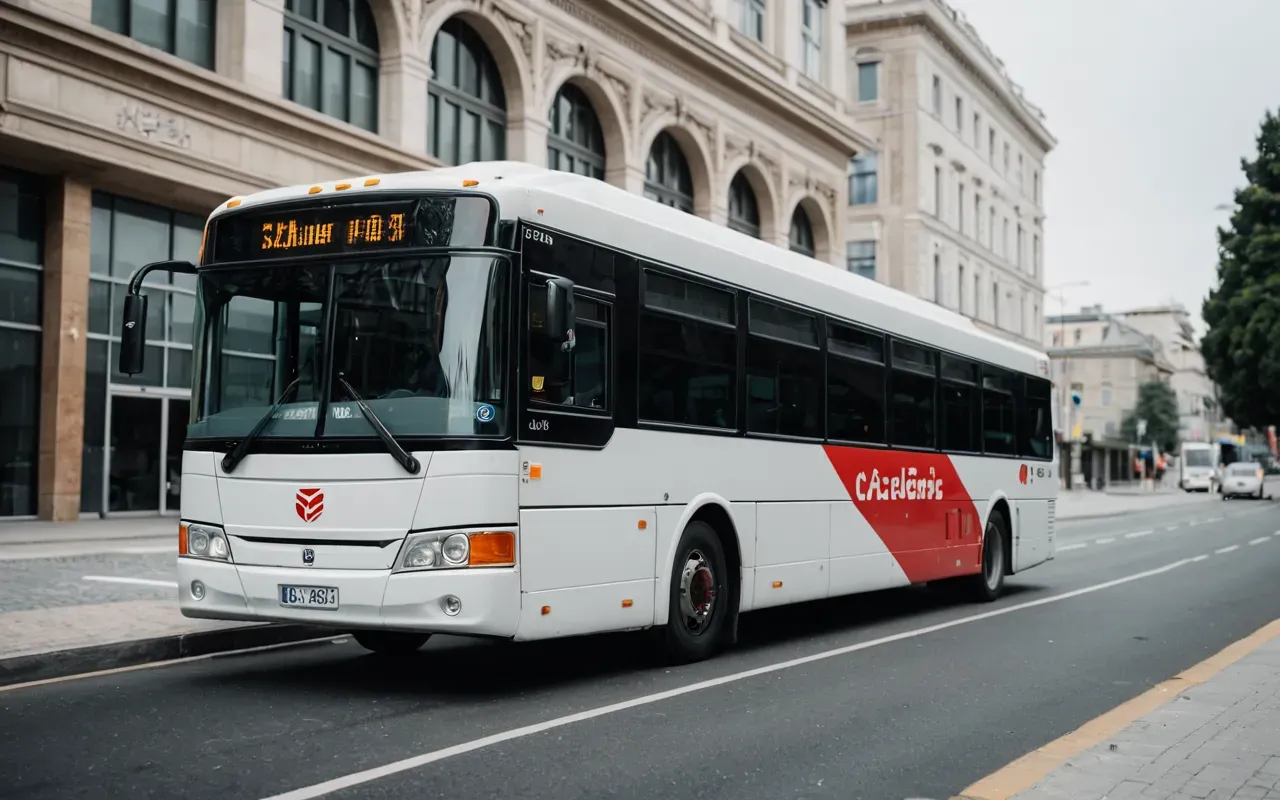
The bus is cheaper. Slower, yes, but also more predictable. You know where you're going. You know how much it costs. No haggling, no worrying. You just get on and get off. Simple. Efficient. The smart choice for most travelers.
But here's the catch. The bus is only fast if you're on the right bus. Get on the wrong one and you'll be stuck for an hour. You need to know which bus to take — and this is where the minute rule helps again. You have minutes. Use them to find the right bus. Then you're done.
The Luggage Problem
Luggage is the enemy. It slows you down, makes you look like a target, and turns you into someone who's distracted and tired — which is exactly when the bad stuff happens. Pickpockets. Scams. Plain old confusion. You need to protect yourself. You need to move fast.
Here's the trick. Keep your luggage close. Not behind you. Not off to the side. In front of you, against your body. That's not paranoia — it's strategy. Your luggage is your anchor, your base. Protect it. Move with it. Don't let go of it.
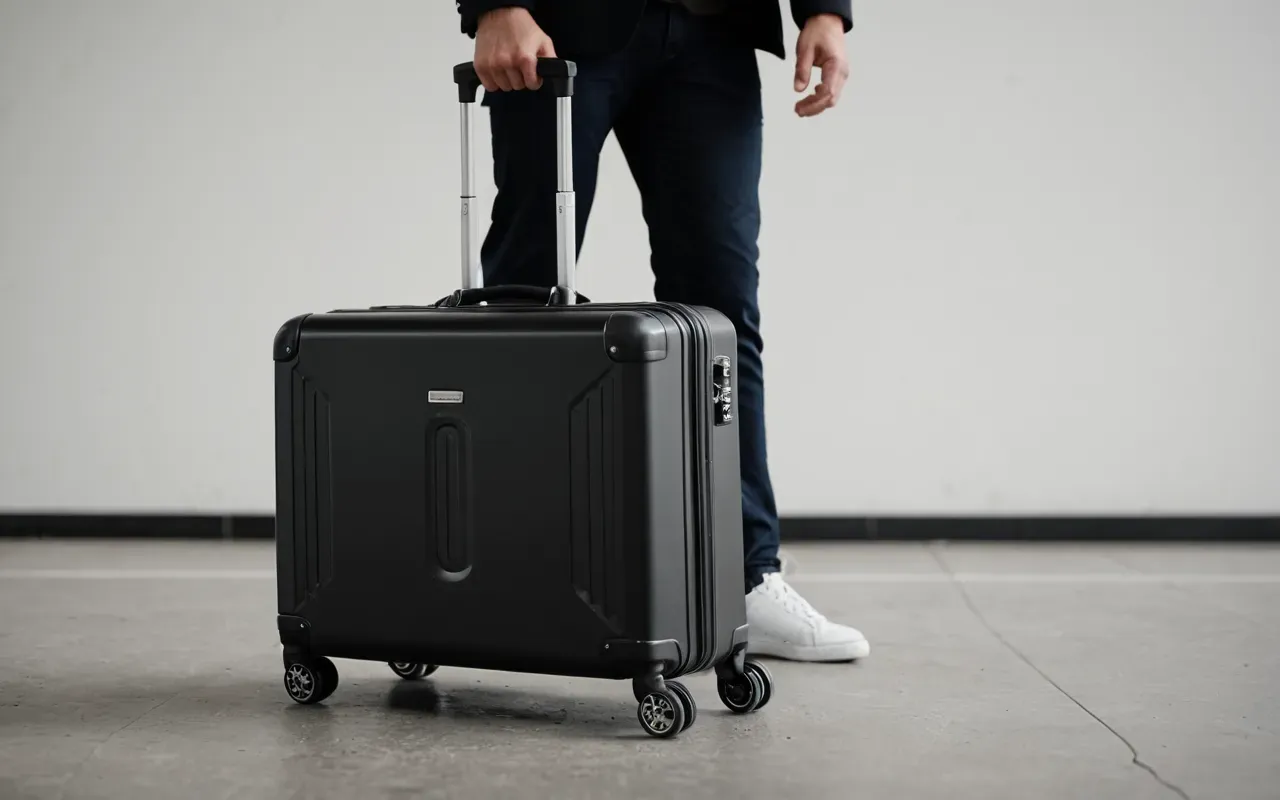
Got a big suitcase? Take a taxi. Worth every cent. Your back will thank you. Your legs will thank you. Your sanity definitely will. Small bag? Take the bus. Cheaper, faster, smarter. Choose your weapon, use it wisely, and don't fight the system — work with it.
I've watched people hauling enormous suitcases through those crowds, and honestly it's a disaster. They're stuck. Frustrated. Tired. Vulnerable. Don't be that person. Be smart. Be strategic. Use the minute rule: get out of the station, get to your hotel, rest. You earned it.
The Phone Battery Myth
Everyone worries about their phone battery, and fair enough — it's a valid concern. Your phone is your map, your wallet, your connection. If it dies, you're lost. But here's the truth: your phone isn't the problem. Your preparation is. Get that right and you barely need the phone at all.
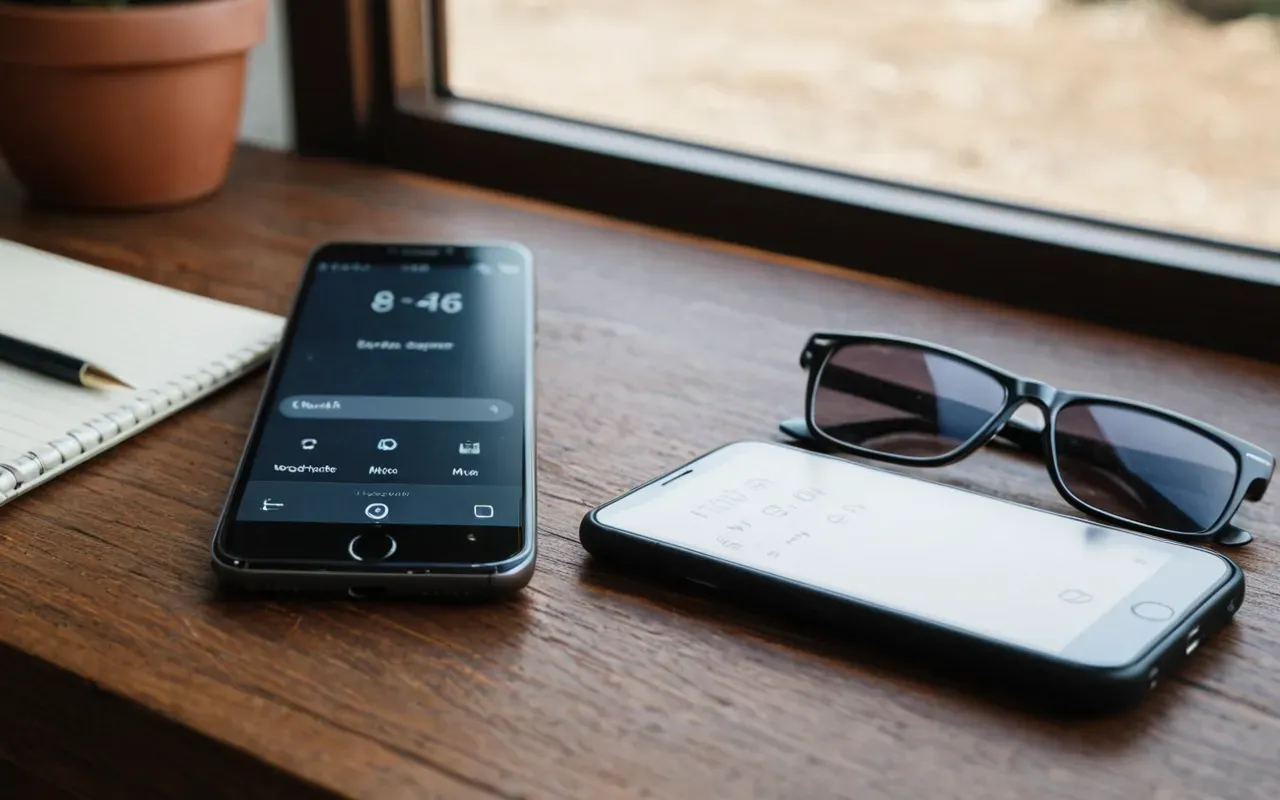
Before you arrive, download the map. Save it offline. Know your route, your exit, your bus. Then when you arrive, you don't need to stare at your phone — you just walk. The phone is a backup, not your primary tool. That's the mindset shift. You're in control. Your phone isn't.
This is the secret. You're not a tourist — you're a traveler. In control. Prepared. Smart. The station is just a place. Not your enemy, not your friend — your tool. Use it, move through it, exit it. Don't let it define you, and don't let it stress you. Be the master of your journey.
The minute rule isn't just a trick. It's a philosophy — about control, efficiency, confidence. When you know what to do, you don't panic. When you don't panic, you don't make mistakes. And when you don't make mistakes, you save time, money, and your whole trip.
Frequently Asked Questions
Why is the minute rule effective
The rule works because it bypasses the peak crowd surge. Most travelers linger and get stuck. By setting a hard time limit, you force forward momentum. This prevents decision paralysis. You exit the station before the chaos peaks. It saves time and reduces stress.
Which exit should I take from the station
Choose the side exit if you are heading to a specific neighborhood. The main exit is best for taxi pickups. Side exits are quieter and less congested. They connect to better bus routes. Check your map before arriving to select the correct path. This avoids the main concourse bottleneck.
Is a taxi worth the cost from the station
A taxi is worth it if you have heavy luggage or are traveling in a group. The cost is to euros. It is fast and convenient. If you are alone with light bags, the bus is cheaper. It costs under euros. It is slower but efficient. Choose based on your specific needs.
How do I avoid getting stuck in the crowd
Start walking immediately upon arrival. Do not stop to check your phone. Keep your luggage in front of you. Move with purpose. The crowd will flow around you. If you stop, you become part of the blockage. Keep moving. Exit the station within minutes. This is the key to success.