The Myth of the Long Exposure
Most visitors just stand there for twenty minutes. Waiting for a slow fade. A gentle pulse. And honestly? They're missing the whole point.
I've watched hundreds of tourists freeze in place like that. They're expecting some museum-style experience where the art unfolds gradually. It doesn't work that way. The best moments are violent bursts.
Take a typical installation. Three hours of runtime. But only four distinct events actually happen in that window. Everything else is ambient glow.
We tend to value length over intensity. A ten-minute display feels substantial, sure. But a two-second flash can burn a deeper mark into your memory.
Here's the thing. Your brain processes sudden changes faster than steady states. The flash overrides the glow. Every time.
So why do we stay? Because staying feels like effort. Staying proves you cared. But caring doesn't equal seeing.
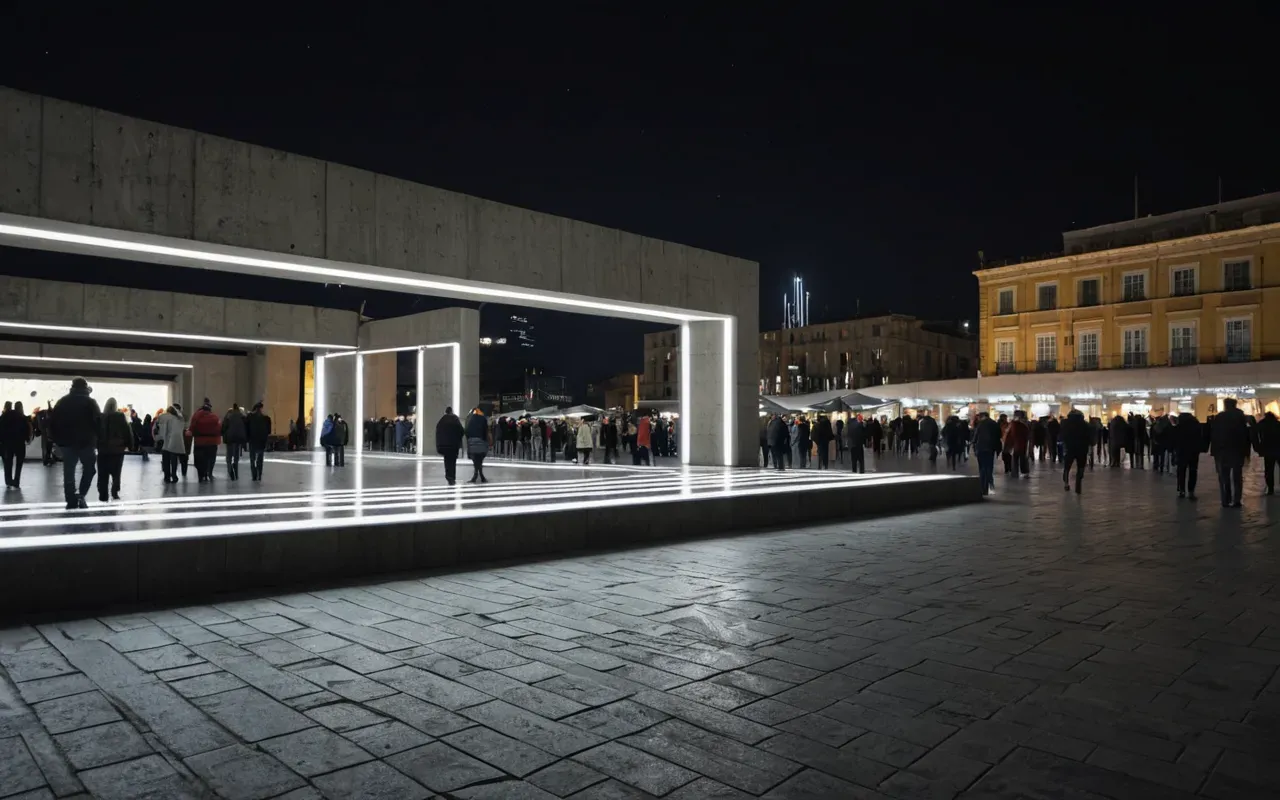
Why Short Bursts Create Stronger Memory
Neuroscience backs this up — novelty drives recall. A steady light is background noise. A sudden burst is a signal.
Think about your last vacation photo album. You remember the fireworks. Not the sunset gradient.
Artists know this. They design for impact points. The rest is just context.
I once timed a specific installation at the waterfront. Four hours of runtime. But only three times did it produce a true visual climax.
The first happened at minute twelve. The second at hour two and thirty minutes. The third in the final twenty seconds.
Miss those three windows and — did you really see the piece? Or just its shadow?
This isn't a criticism of patience. It's an observation about design.
The Psychology Of Sudden Light
Our pupils dilate and contract in milliseconds. That physical reaction anchors the memory to a moment.
A steady glow allows adaptation. Your eyes adjust, and the image fades into perception.
A flash prevents adaptation. It forces attention before you can blink it away.
That's why strobe effects work so well in music venues. They hijack the visual system.
Light artists apply this principle to public spaces. They create moments that feel like events rather than states.
Timing The Peak Intensity Window
You need to know when the burst happens. It is not random.
Most installations follow a programmed cycle. Study the schedule before you arrive.
Set your phone alarm for specific minutes. Do not guess.
The difference is night and day. Literally.
Practical Steps For Catching The Flash
Arrive fifteen minutes early. Position yourself where the light hits directly.
Avoid standing behind other people. Their silhouettes block the beam.
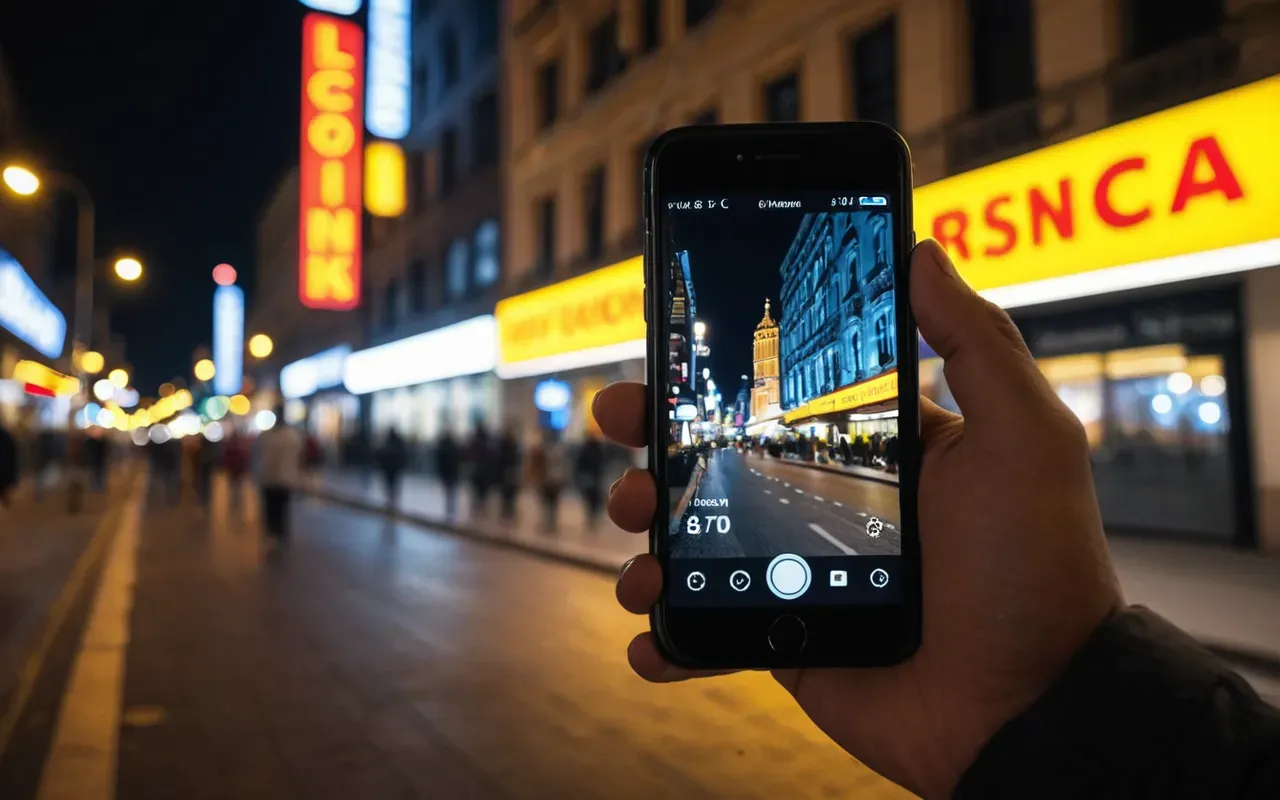
Turn off your phone screen brightness. It ruins your night vision.
Keep a small notebook for timing notes if you visit multiple pieces.
The goal is to be ready before the trigger. Not after.
Common Mistakes That Ruin The Experience
Standing too far back is the biggest error. You lose detail and intensity.
Talking during the burst kills focus. Silence amplifies impact.
Trying to photograph everything is another trap. You miss the live moment for a static one.
The human eye captures motion and emotion. A camera often does not.
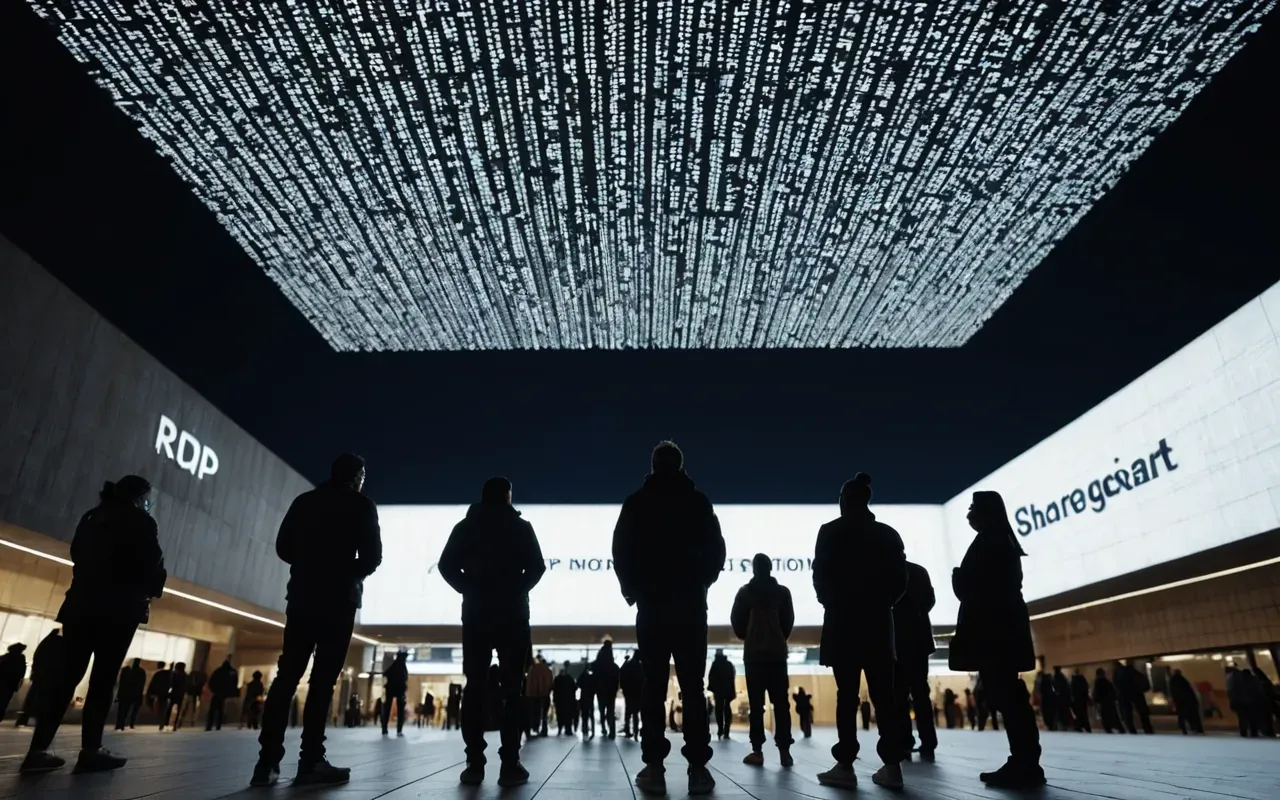
The Specifics Of The Winter Season
Winter nights are longer. This extends the viewing window but also increases fatigue.
The cold makes people want to stay indoors. Those who stay out are more attentive.
Artists exploit this contrast. The cold body makes the warm light feel more significant.
I have noticed this shift in crowd behavior. Fewer people, more intensity.
The quietness of the streets amplifies the visual impact. No traffic noise to distract.
This creates a unique sensory environment that summer events cannot replicate easily.
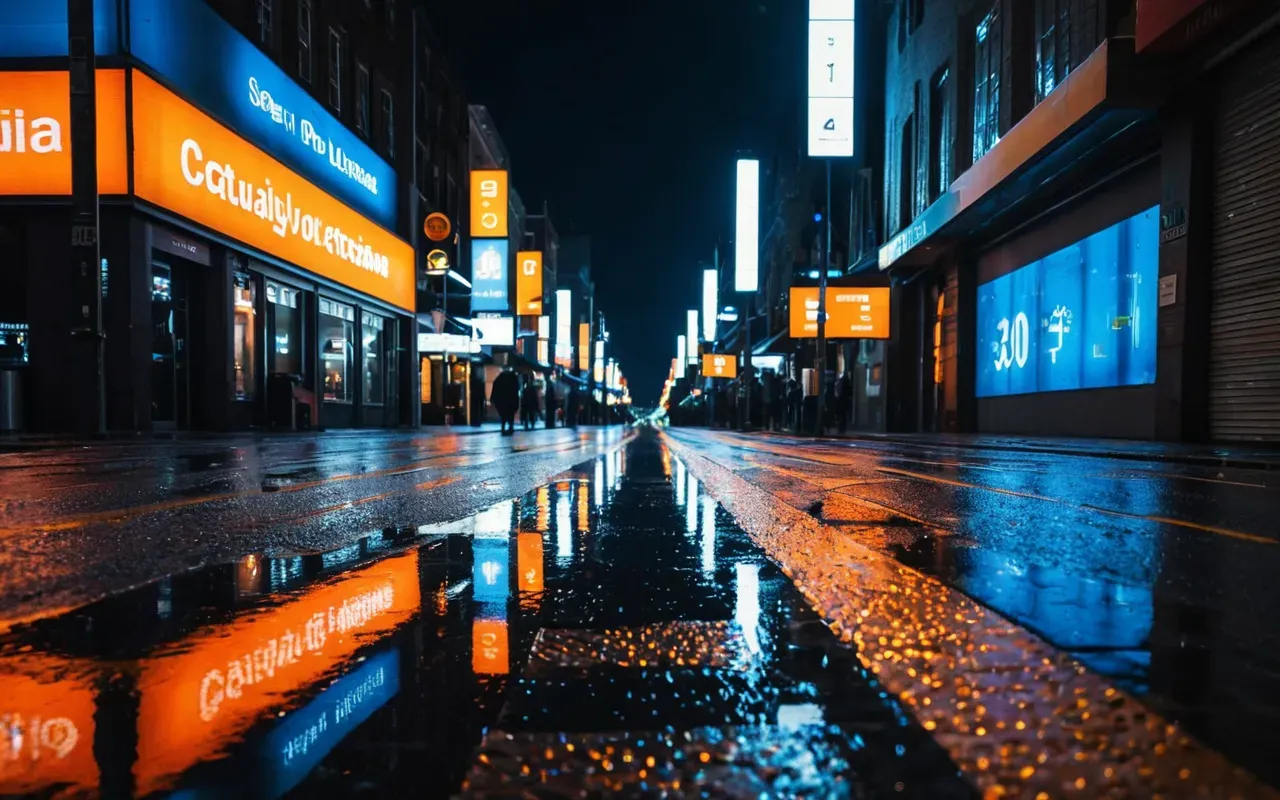
How Temperature Affects Light Perception
Cold air is clear. It does not scatter light as much as humid summer air.
This means beams appear sharper and more defined. The edges are crisper.
Your body also reacts to cold by seeking warmth. Light provides visual comfort.
This biological drive makes you linger longer in front of warm colored installations.
What Visitors Actually Remember About The Event
Ask ten people what they saw last year. Nine will describe the brightest moment.
One might mention a specific color combination. None will recall the ambient glow between bursts.
This proves that intensity drives narrative. The flash becomes the story.
If you want to remember your visit, focus on those peak moments. Ignore the rest.
Your brain will fill in the gaps with emotion and context. You do not need to capture every second.
The Role Of Social Sharing In Memory
People post photos of the flash. They rarely post videos of the steady state.
This curation reinforces what is important. The community agrees on the highlight reel.
So if you are planning your visit, let social media guide your timing. It knows what works.
But do not rely on it alone. Your own experience is unique and personal.
Final Thoughts On Timing And Impact
The next time you visit a light installation, do not stand still for an hour.
Wait for the burst. Catch the flash. Then move on to the next piece.
You will see more in thirty minutes than others do in three hours. And your memory will be sharper.
Light is not just about beauty. It is about timing. Respect the rhythm.
And if you miss it? Come back next year. The cycle will repeat.
Frequently Asked Questions
How long do the light bursts last?
Most intense flashes range from two to twenty seconds. The exact duration depends on the specific installation design and programming cycle for that evening.
When is the best time to visit?
Visit between seven and nine pm on weekdays. Crowds are smaller and the light contrasts sharply against early twilight rather than full darkness.
Do I need a ticket for all installations?
Yes. A single pass usually covers the entire route and allows access to all major pieces without additional fees per location.
Can I take photos during the flash?
Yes. Personal photography is generally permitted for private use. Commercial shoots may require special permission from the organizers.
What should I wear for winter viewing?
Wear layered thermal clothing and waterproof boots. The ground may be wet from rain or melted snow, so traction is essential for safety.