The Flatness Advantage Nobody Talks About
Most historic cities are built for feet. Steep hills, narrow alleys — a maze that wears out anyone with mobility needs before they've even reached the sights.
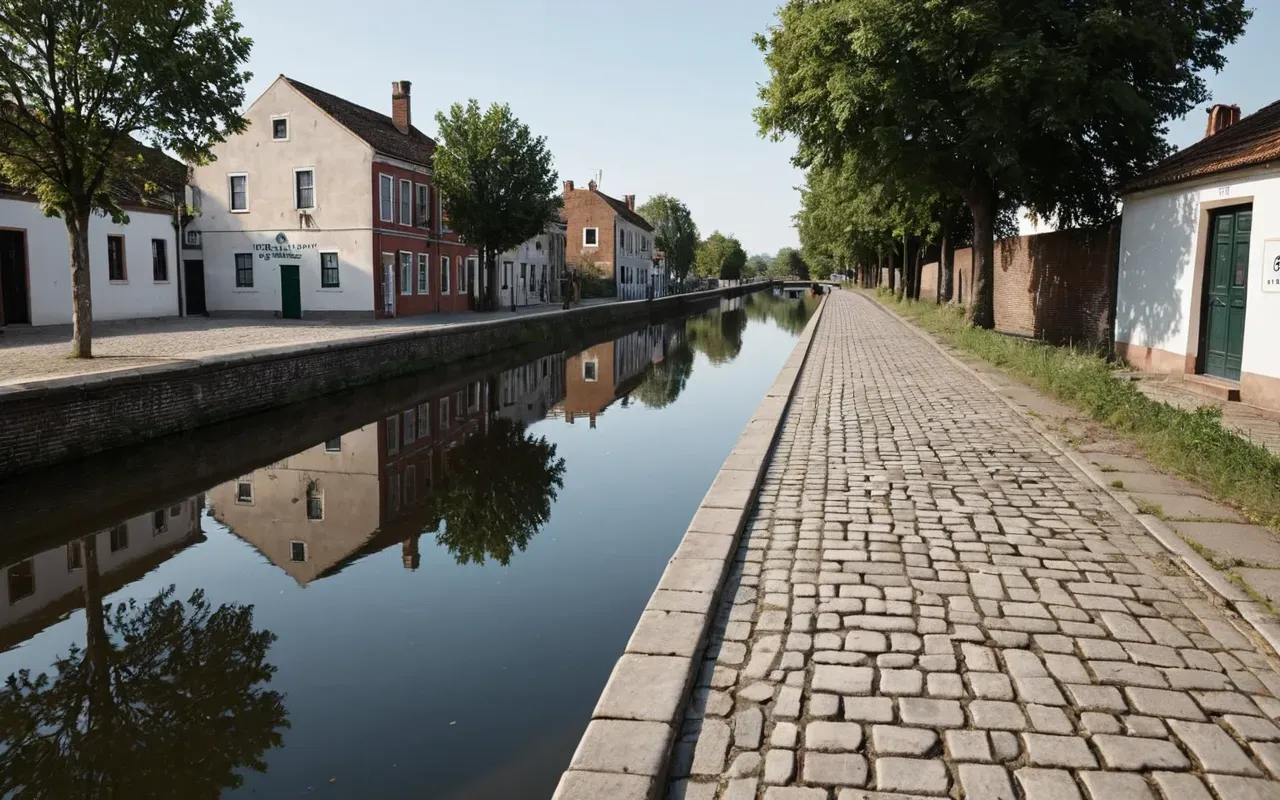
Amsterdam flips that script. The ground is flat. Almost suspiciously so. You roll from one canal to the next without a single hilly incline.
That geography changes everything. A potential logistical nightmare turns into a smooth glide. You stop planning around obstacles and just start exploring.
Why Bikes Rule The Roads
Look at the bike lanes. Wide and smooth, because they were built for thousands of commuters every day.
For a wheelchair user, those dedicated lanes are gold. They separate you from chaotic car traffic and give you a predictable surface.
I covered more ground in an hour here than anywhere else I've been. The city simply works for different bodies.
Getting There Without The Stress
The trip from London to Amsterdam starts with a train. Eurostar offers spacious accessible seating that fits wheelchairs perfectly.
You stay in your chair the whole way. No fumbling with transfers, no cramped airplane seats.
Arriving at the central station is just as easy. Step-free routes and clear lifts mean you're in the city within minutes.
Staying Close To The Action
Where you sleep matters. A room near the station puts the whole city within easy rolling distance.
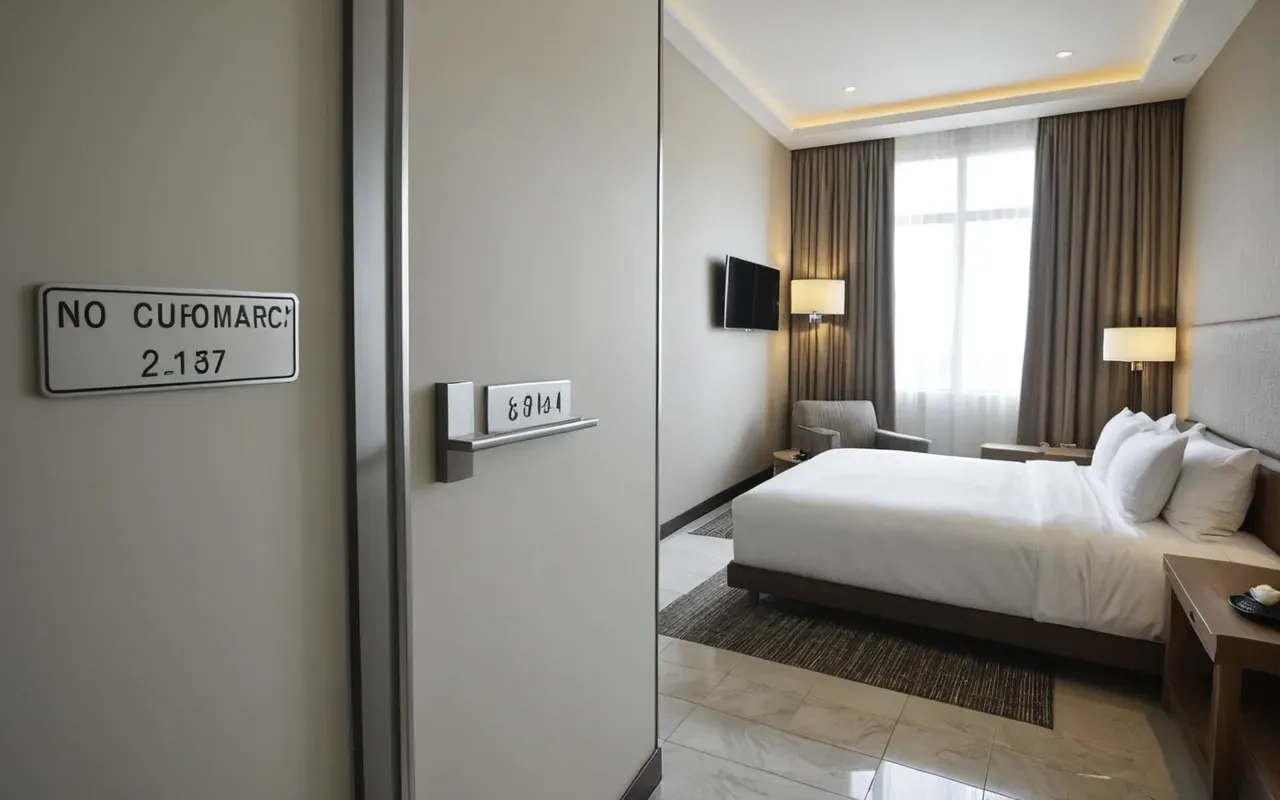
I stayed at a modern property with a roll-in shower and plenty of turning space. It felt like normal life, not a special accommodation.
You can rest between plans without feeling trapped. The location gives you flexibility to change your mind at any moment.
Exploring Without Public Transport Hassle
You don't need to rely on trams or buses. The streets themselves are the transport system.
But when you do want a lift, the trams have wheelchair spaces. The free ferries across the water are level boarding too.
The Ferry Shortcut To The Other Side
Crossing to the north side takes just a few minutes. It feels like joining locals on their daily commute.
Plenty of room for wheels and bikes. Less a tourist stop, more a practical way to move.
Museums That Respect Your Pace
The Van Gogh Museum is a standout. Entry is step-free and lifts connect every floor.
What really impresses me is the seating. It's built into the galleries, so you can pause without feeling out of place.
The layout moves through the artist's life in a logical way. Not overwhelming — inviting.
Food Stops That Actually Work
Eating out is often the hardest part. Here, though, you can snack your way through without stress.
I found a spot near the canal where I could get fresh waffles from a truck. No reservations needed.
For something fancier, try the boat restaurant near the station. It has space to move and accessible toilets.
The Real Reason This City Works
It's not about perfection. Cobbles still exist, and some old buildings are tight.
But enough of it works that you can stop fighting the city. You start enjoying it.
This is what accessible tourism should feel like. Not a battle — an invitation.