The Painting That Almost Stayed in New York
Most museum purchases are quiet. Spreadsheets, board approvals, closed doors. But this one had a twist that surprised even the conservators involved.
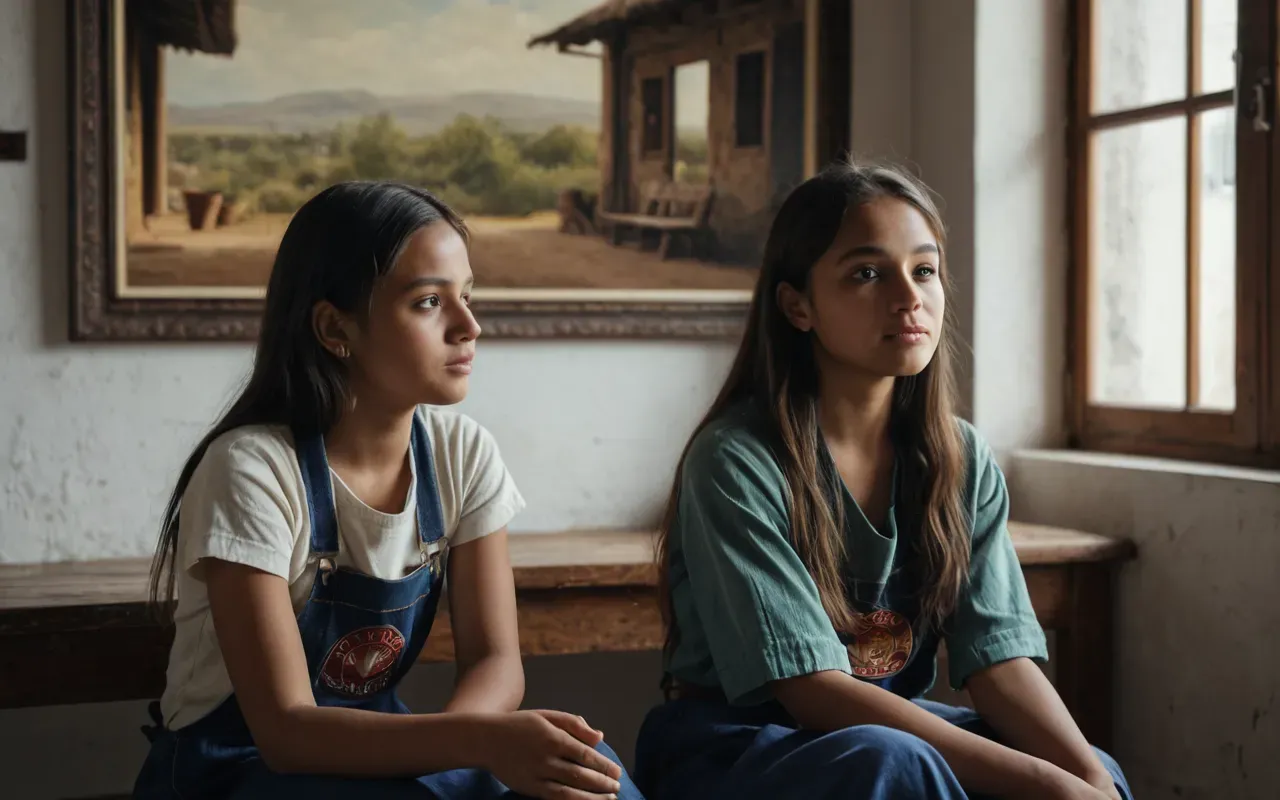
The Amsterdam Museum bought an iconic portrait of orphanage girls. It was painted right where the museum stands today. The price tag? Two hundred fifty thousand euros.
But here is the part that got my attention. The seller did not want to hold onto it anymore. He gave them a discount of fifty thousand euros.
Why would a major New York art dealer do that? It was not charity. It was recognition. He knew the work belonged to its home.
Why the Discount Changes More Than You Think
We often assume museums have deep pockets. They do not. Every euro counts when you are trying to expand a collection or restore a building.
Fifty thousand euros is not small change. For many smaller institutions, it could fund a year of educational programs or conservation work.
This discount signals something bigger. Private collectors are starting to see public museums as the rightful custodians of certain works.
It is a shift in how we view ownership. The work was created for this place. It traveled the world and came back home with a price cut.
The Role of the Judith Leyster Fund
The funding did not come from one source alone. It was a mix of internal funds and external support.
The Judith Leyster Fund played a key role. This new fund specifically aims to increase the visibility of female artists in major collections.
Thérèse Schwartze was one of the most successful female painters in history. Yet her work is still underrepresented compared to male contemporaries.
This acquisition directly supports that mission. It puts a significant work by Schwartze back into the public eye.
The Artist Behind the Iconic Image
Thérèse Schwartze lived from eighteen fifty-one to nineteen eighteen. She was a master of portraiture.
She painted Queen Wilhelmina around the time of her coronation. That level of access speaks to her status in society.
Her work hangs prominently in the Rijksmuseum. But this particular piece has a unique connection to its new home.
Painted Where the Museum Stands
The painting depicts girls from a former orphanage. This institution stood on the exact site of today's museum.
Conservator Norbert Middelkoop called it an exceptional acquisition. He emphasized the link between the subject and the location.
When the renovation is complete in twenty thirty, this painting will have a central place. It anchors the narrative of the building.
What This Means for Public Access to Art
We are living in a time where private collections dominate the market. Museums often lose out to wealthy buyers.
This story flips that script. The private seller actively helped the public institution win the work.
It suggests that when a work has deep local ties, the market may lean in favor of public display.
This is good news for visitors. It means more significant works stay where they can be seen by everyone.
The Bigger Picture in the Art Market
Recent art fairs have seen mixed results. Some reports say attendance is down slightly compared to last year.
But museums are still making big purchases. They are buying in diverse segments from old masters to modern design.
This trend shows that public institutions are still active players in the high-end art market.
The discount on this painting might be an early sign of a broader shift in how works are valued and placed.
What You Should Know Before Visiting
If you are planning a trip to see this collection, keep in mind the renovation timeline.
The main location is currently being reworked. Visitors should check current opening hours and exhibition lists.
The painting will be a highlight when it is finally displayed. It promises to be a focal point for visitors.
For those interested in similar stories of art moving between private and public hands, you might enjoy reading about how major museums are restructuring their funding models.
The Human Element of Art Ownership
Behind every acquisition is a decision. Someone looked at the numbers and said yes.
In this case, that decision was influenced by a desire to preserve local history. It is about more than just value.
It reminds us that art is not just an asset. It is a piece of shared memory.
This acquisition brings that memory back to the place where it was born. That is a powerful thing.
Final Thoughts on This Surprising Move
The art world is full of surprises. But this one feels different because it involves a direct benefit to the public.
We should watch closely for more moves like this. It could change how we think about who owns the past.
For now, the painting is on its way home. It carries with it a story of recognition and responsibility.
If you follow art news, this is a development worth noting. It shows the market can still be human.
The Amsterdam Museum has gained a piece of its own history. And thanks to one dealer's decision, it did so at a better price.
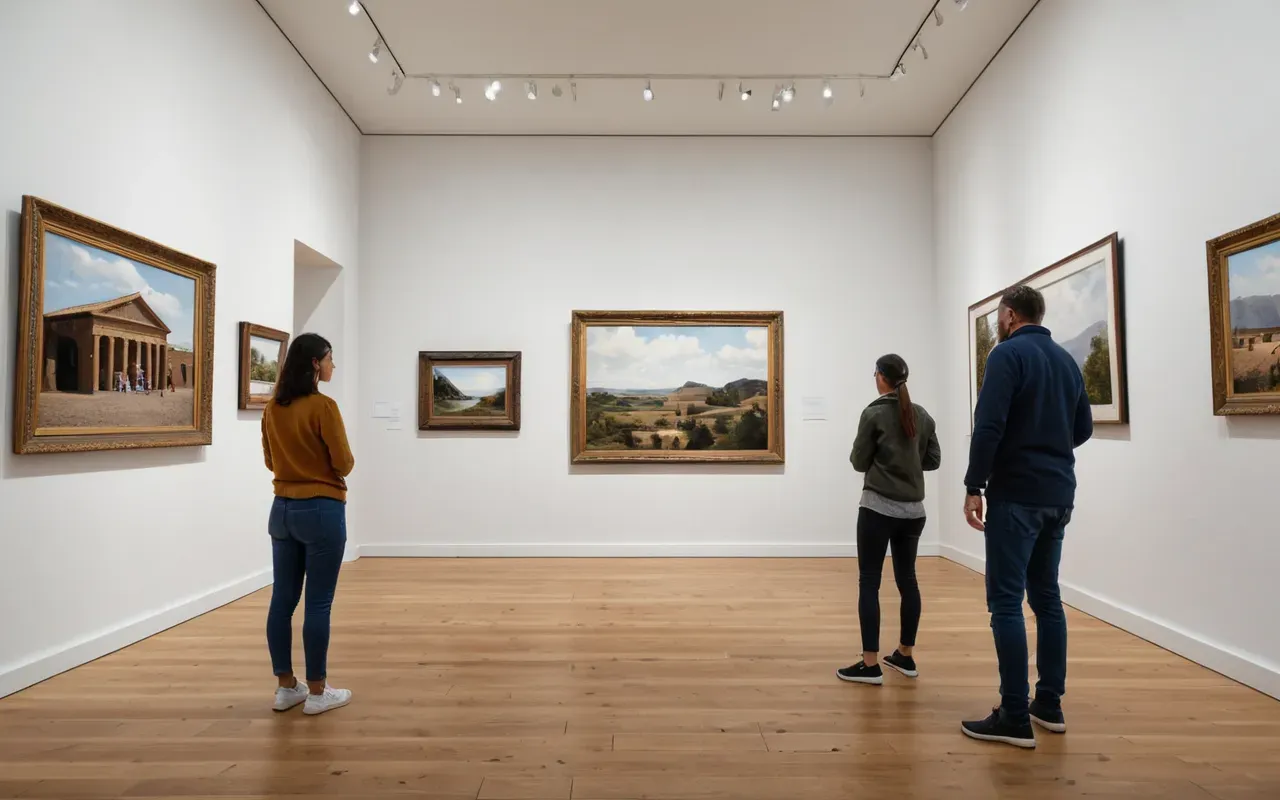
This story is a reminder that art belongs to everyone when it is in the right hands.
The next time you visit a museum, remember that every piece has a journey.
Some of those journeys are longer and more complex than others. This one ended with a discount.
And that is a rare and welcome twist in the world of high-stakes art deals.