The moment everything almost fell apart
Picture this. A tent on a public square. No big brands inside. Just one woman pacing back and forth with an empty stomach and a terrifying thought in her head. If nobody shows up, the event simply stops existing.
That was Danie Bles in her first year at the helm of Amsterdam Fashion Week. She had inherited a mess. The previous owners wanted out. They said the city gave them too little support and they were ready to walk away for good.
To be fair the stakes were incredibly high. This was not just another fashion show. It was a cultural landmark for an entire country. But Bles saw something others missed. A broken machine that could actually run very well if you changed one specific gear.
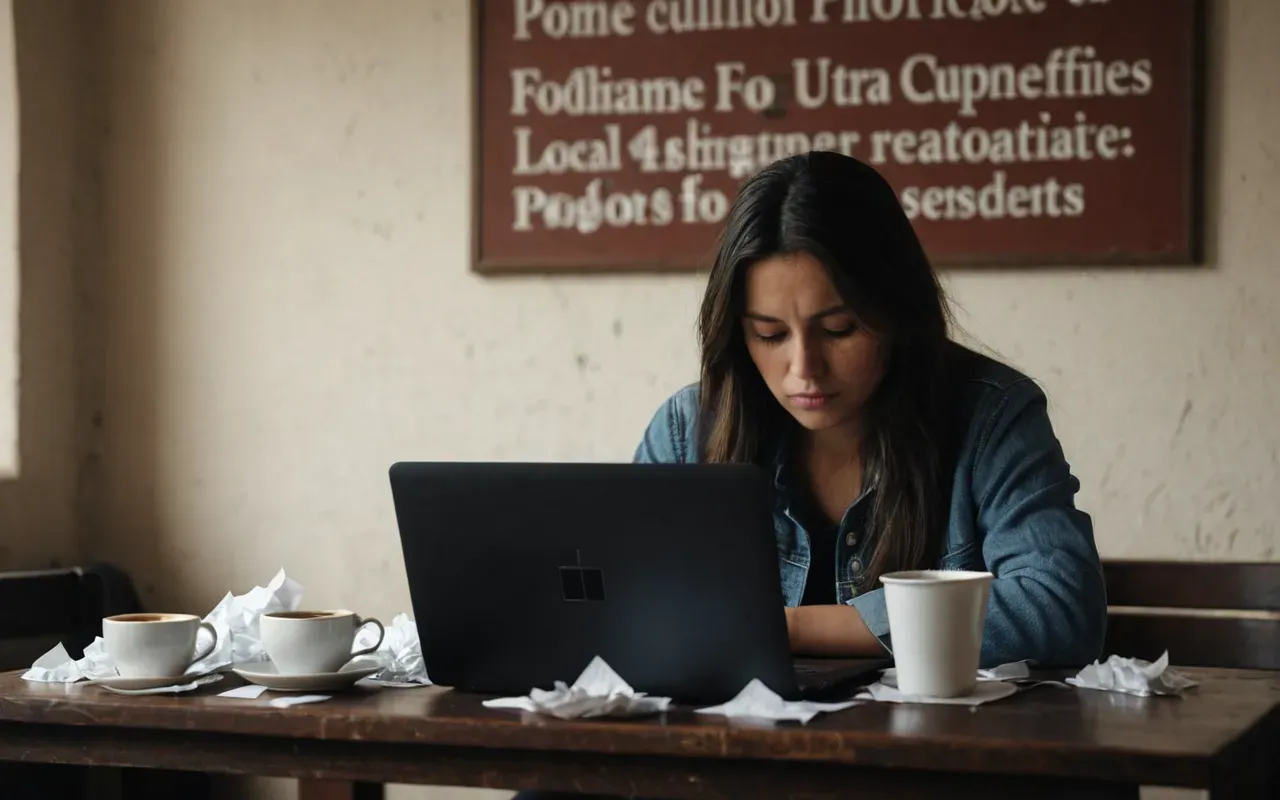
She drank six thousand liters of coffee. I am not exaggerating that number. It was her way to stay awake while she convinced brands to join a project nobody believed in yet.
Why the old model was fundamentally broken
The real problem nobody talked about is money. Brands do not have infinite budgets. When the show landed in January it collided with the sales season. Every euro was spent on clearing out old stock.
So brands had nothing left to show off new collections. It was a lose-lose situation for everyone involved. Bles realized the timing was the poison killing the event from inside.
She moved it to September. This single change aligned the show with the restocking season for retailers. Now brands had actual money to spend on marketing and visibility during the event.
It sounds simple when you hear it later. But changing a calendar date requires convincing hundreds of partners to shift their entire annual plans at once.
Building a community instead of chasing prestige
Bles did not try to copy Paris or Milan. She knew she could never win that game. Those cities have massive luxury houses and global supply chains that dwarf local efforts completely.
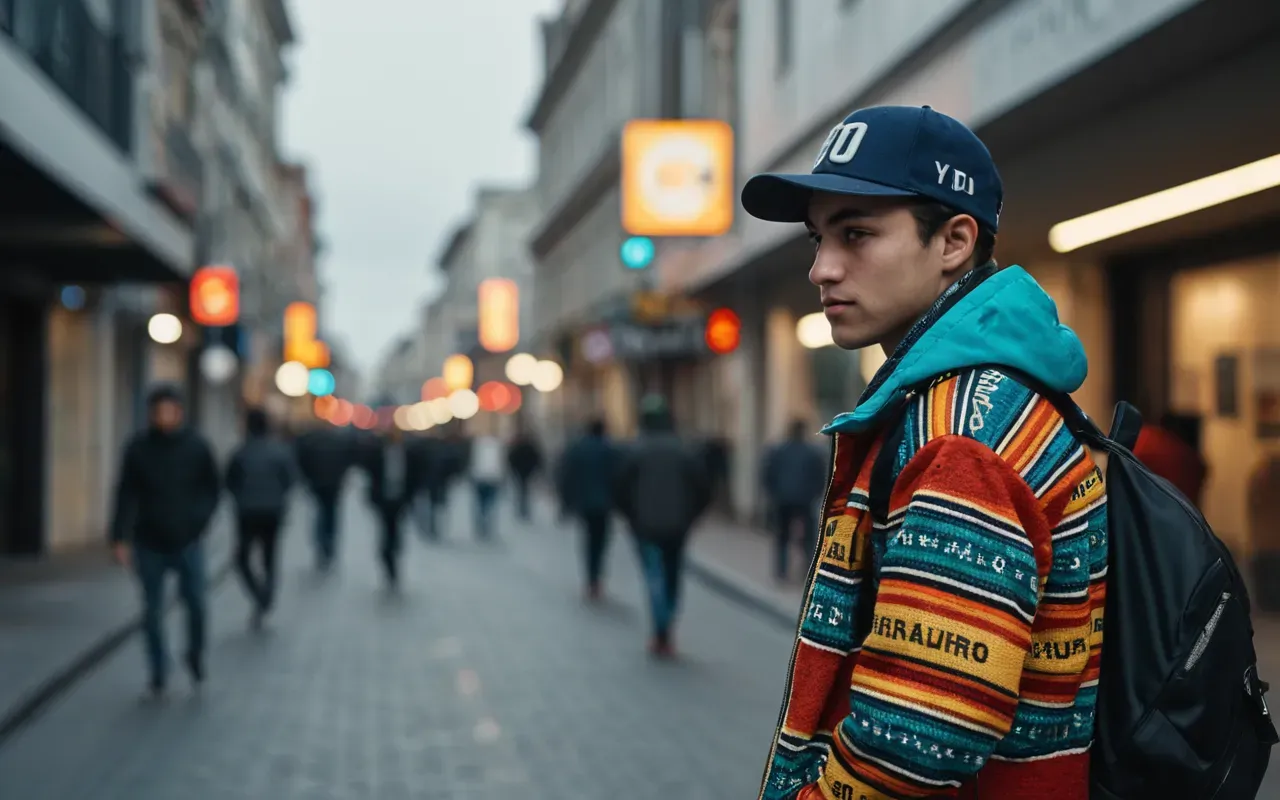
Instead she leaned into what the city does best. Streetwear. Denim. Bold local designers who create things with real character and attitude rather than just expensive fabrics.
Think about brands like Patta or Daily Paper. They have loyal fan bases that actually buy the clothes off the rack. This is a commercial engine that pure couture shows rarely touch.
The secret ingredient is local pride
People connect with stories they can recognize. When a designer uses materials found locally or references the city’s history it creates an emotional hook that global brands struggle to fake.
This approach also helps the city’s tourism sector. Visitors want to see something unique and authentic rather than just shopping at international chains they can find anywhere else in the world.
It creates a win-win situation. The city gets cultural relevance and the brands get access to a passionate audience that values craftsmanship over mass production logos.
How influencers changed the visibility game
Social media became a massive force multiplier. Influencers show up not just to take photos but to build entire narratives around the event for their followers.
This digital footprint extends far beyond the physical venue. People who never set foot at the show still know what is happening because it lands on their feeds daily.
For smaller designers this exposure is priceless. It bridges the gap between a local runway and an international audience without needing a massive advertising budget.
The commercial engine behind the curtain
Critics often ask how a small city event stays profitable. The answer lies in the partnerships. Brands like Google or L’Oréal pay for more than just logo placement.
They fund entire experiences. Dinners talks and special shows that engage the audience on a deeper level than simple product placement ever could achieve.
This creates a diversified income stream. The event is not dependent on ticket sales alone. It has multiple revenue pillars that make it resilient against market fluctuations.

Why this model works for other cities too
The lesson here is not just about fashion. It is about finding your unique angle in a crowded market and doubling down on what makes you different.
Many cities try to copy the biggest players in their industry. But true success comes from leaning into local strengths and building a community around them.
If you look at how the city handles its tourism strategy it follows a similar pattern. Focus on authentic experiences rather than generic attractions that exist everywhere.
What this means for the future of local design
As we look ahead to the next edition it feels like a celebration rather than just another show. The event has proven it can stand on its own two feet.
Young designers now see a real pathway to success. They do not need to move abroad or wait for big international recognition to be taken seriously in their own backyard.
This shift empowers a whole generation of creatives. It changes the narrative from chasing global trends to defining them right here at home.
The coffee cups are gone now. But the energy they fueled remains. It is a reminder that sometimes saving something requires you to break everything first.