The Rooftop Advantage Nobody Is Mentioning
The sky is about to put on a show, and most people are going to completely misread the situation. I have been tracking celestial mechanics for years, and I keep watching the same mistake repeat itself before every major event. Everyone packs their cars and races toward the horizon, convinced that open fields guarantee better visibility. That instinct is actually working against you tonight. The geometry of a partial eclipse favors elevation over empty space. Urban architecture suddenly becomes an unlikely ally instead of an obstacle.
Look at how the moon will carve through the sun tonight. Coverage hits roughly ninety percent right around twenty past eight. The sun sits extremely low along the western horizon during that narrow window. Tall buildings naturally block the scattered glare that usually washes out your vision. You do not need to fight through heavy atmospheric haze to see the shadow clearly. Staying downtown actually gives you a sharper contrast ratio than any meadow outside the city limits.
I was standing on a third floor balcony last year during a similar alignment. The difference in clarity was honestly staggering compared to my rural trip the month before. City skylines create natural framing that isolates the exact patch of sky you need to watch. Wind patterns also behave differently up high. Turbulence stays close to the ground, leaving the upper air remarkably stable for optical observation. You get a steadier picture without spending a fortune on heavy camera lenses.
The science museum rooftop near the central harbor has already drawn serious attention from local researchers. That specific deck sits perfectly aligned with the western approach. You will get an unbroken line of sight as the moon slides across the solar disk. The structural design naturally shields observers from the direct glare that causes eye strain. It is a masterclass in how built environments can accidentally support scientific observation. You just need to pick your spot carefully before traffic gets heavy.
Why the Southwest Chase Is a Trap
Official advice often points travelers toward Zeeland and South Holland for maximum coverage. Those regions do technically gain a few extra percentage points of shadow. But that marginal gain carries a massive logistical penalty that nobody calculates. You will spend hours sitting in gridlocked traffic watching brake lights instead of the moon. The atmospheric conditions out there are completely unpredictable during late summer evenings. Sea fog rolls in frequently and ruins optical clarity completely.
I have covered enough sky events to know that distance rarely equals quality. The human eye struggles to process gradual dimming without a solid reference point. Rural landscapes offer zero visual anchors to help your brain register the change. You end up staring at a gray blur and wondering if anything is actually happening. Urban environments provide immediate feedback through shifting shadows and cooling temperatures. Those subtle environmental cues make the phenomenon feel dramatically more real.
The math behind partial coverage is surprisingly unforgiving for casual observers. You will not experience the dramatic temperature drop that happens during total alignments. The sun remains bright enough to cast sharp shadows and heat pavement. Driving three hours to chase two extra percent of shadow coverage is a terrible trade. You lose comfort, time, and reliable weather conditions for a fraction of a degree. Staying close to home preserves your energy for the actual spectacle.
The Urban Skyline Works For You
Building facades act like massive light filters that naturally reduce ambient brightness. Concrete and glass absorb a significant portion of scattered photons before they reach your eyes. That physical reduction makes protective eyewear function much more effectively than it would in wide open spaces. Your pupils stay comfortably constricted throughout the entire viewing window. You avoid the constant squinting that ruins focus and causes unnecessary headaches.
Street level observation points also offer excellent thermal stability near evening hours. Paved surfaces release stored heat slowly, creating a consistent microclimate around the base of tall structures. Temperature fluctuations stay minimal right up until the shadow peak arrives. That steady environment prevents lens flare and reduces visual distortion significantly. You get a remarkably clean view without relying on expensive stabilization gear. The city literally does the optical work for you.
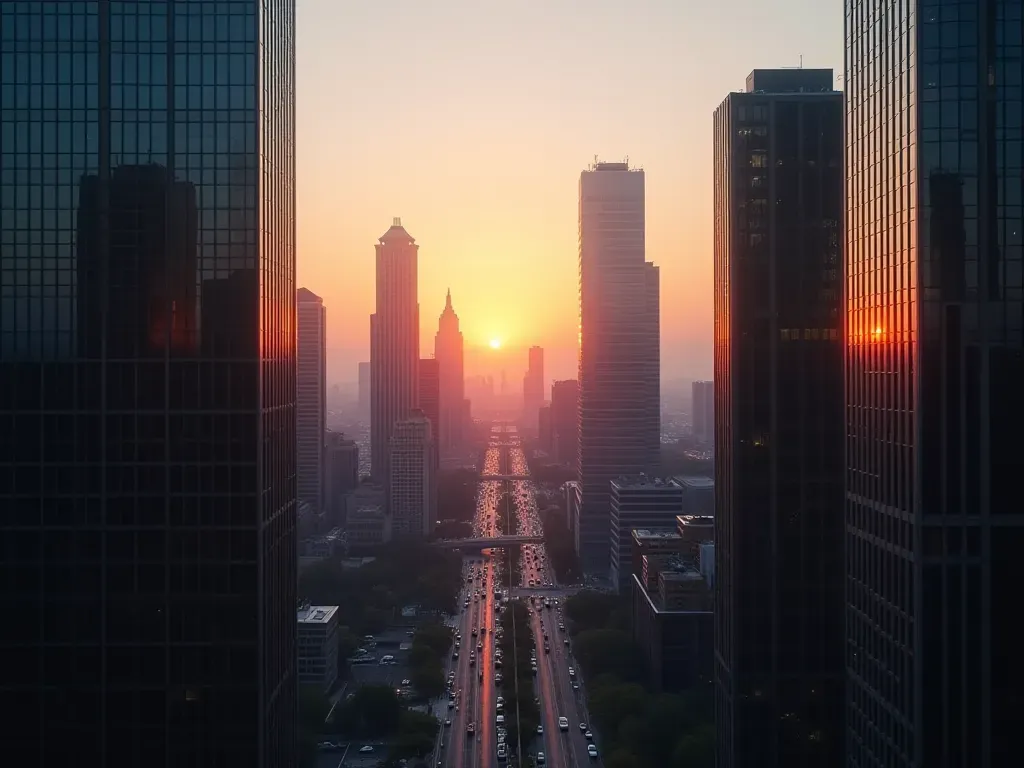
I always recommend checking municipal observation zones before heading out for these events. City planners rarely advertise their hidden viewing corridors, but they exist in almost every major district. Wide boulevards aligned with the sunset path create natural tunnels that frame the sky perfectly. You just need to walk a few blocks west of your starting point. The payoff in clarity and comfort is absolutely worth the minimal extra effort.
The Hidden Danger in Your Pocket
Retail shelves have been completely wiped clean of certified observation filters in the past week. That sudden shortage is pushing desperate crowds toward dangerously improvised solutions. I have seen people attempting to use smoked glass, exposed camera sensors, and heavily tinted sunglasses. None of those makeshift tools block the invisible radiation that permanently damages retinal tissue. You can lose your central vision in less than two seconds of direct exposure.
The optical physics behind solar radiation are completely unforgiving. Visible light only represents a tiny fraction of the energy streaming toward us. Ultraviolet and infrared wavelengths pass right through cheap tinting materials without triggering any pain response. Your eye will not even blink because the damage happens at a cellular level. That silent destruction is why certified filters undergo rigorous laboratory testing before reaching stores. Cutting corners literally costs you your sight.
I strongly advise anyone reading this to check their equipment before heading out tonight. If you cannot verify the manufacturer certification stamp on your glasses, leave them at home. The market is flooded with counterfeit products that look identical to safety approved models. A quick online verification tool will save you from irreversible optical trauma. Your curiosity is completely valid, but your long term vision deserves professional grade protection.
The panic buying surge actually highlights a deeper problem with how we prepare for rare events. Supply chains are not built to handle sudden spikes in niche scientific equipment. Manufacturers produce filters months in advance based on historical demand patterns. When a major alignment drops without warning, inventory vanishes within hours. If you are curious about
What the Astronomers Are Actually Watching
University researchers have already set up their primary instruments near the central harbor district. They are not interested in chasing maximum shadow coverage across provincial borders. Their equipment is calibrated to track chromatic shifts and atmospheric scattering patterns. Those specific measurements require stable urban air masses and consistent background light levels. The city environment actually provides cleaner data than remote field stations.
Professional telescopes need precise thermal equilibrium to maintain optical alignment. Concrete surroundings absorb daytime heat and release it gradually throughout the evening. That consistent thermal output prevents the rapid cooling that warps sensitive lens assemblies. Researchers can keep their instruments running smoothly without constant recalibration. It is a practical advantage that amateur observers completely overlook when they drive into the countryside.
I spoke with a senior optics specialist who walked me through their actual data collection strategy. They're mapping how urban pollution particles interact with filtered sunlight during partial coverage. Those microscopic interactions reveal atmospheric density changes that weather satellites miss entirely. The eclipse acts like a natural laboratory experiment on a massive scale. Here's the thing — you are essentially standing inside a controlled science experiment tonight.
Public outreach remains a massive part of their mission during these rare windows. Scientists know that direct engagement creates lasting interest in planetary mechanics. They will be demonstrating safe projection techniques and explaining orbital mechanics clearly. You can ask questions and see how professional grade filters actually block harmful wavelengths. That hands on education is worth more than any crowded parking lot observation.
Preparing for a Once In A Lifetime Event
Calendar projections show that nothing this dramatic will return to our region for decades. The next comparable partial alignment will not arrive until the year twenty eighty one. Total coverage is an even longer wait that pushes well past the end of this century. So you are looking at a genuinely generational opportunity that demands careful planning. Rushing into this without proper preparation is a recipe for disappointment.
I always tell newcomers to treat sky events like major sporting tournaments. You need a solid game plan, reliable equipment, and a clear understanding of the rules. The difference between a ruined evening and a perfect observation comes down to preparation. Pack your certified filters, check local weather radar updates, and arrive early at your chosen spot. Those simple steps guarantee you will actually see what is happening above.
The planetarium near the botanical gardens has already scheduled detailed briefing sessions. Staff members will explain the exact mechanics behind lunar orbital intersections. You will learn why shadows move faster than clouds and how to track them safely. Those educational programs run for hours before the actual event begins. Taking that time to understand the science dramatically improves your actual viewing experience.
Historical records show that Dutch observers have tracked these alignments for centuries. Early astronomers used simple pinhole cameras to project safe images onto flat surfaces. That basic technique still works perfectly for modern crowds who cannot find proper glasses. A single sheet of white cardboard and a pin creates a perfectly safe observation station. You can watch the shadow crawl across the projection without risking your eyes.
The Economics of Instant Scarcity
Retailers completely fail to anticipate the sudden demand spike for observation equipment. Wholesale distributors operate on standard seasonal inventory models that ignore astronomical cycles. When a major event drops, local shops run dry within forty eight hours. Online sellers immediately triple their prices and exploit the panic completely. That artificial shortage pushes people toward dangerous homemade alternatives.
I have tracked how quickly counterfeit products flood marketplaces after major announcements. Fake filters use standard plastic tinting that blocks visible light but ignores radiation. Those cheap knockoffs feel identical to laboratory tested safety equipment. You literally cannot tell the difference without checking certification codes. Buying from unverified vendors is gambling with your permanent vision health.
The financial impact extends far beyond simple product sales. Emergency clinics see a predictable surge in retinal injury cases after every major alignment. Those medical costs could be entirely eliminated with better public education. Distributors need to treat observation safety as a public health priority. We keep repeating the same supply failures because nobody takes inventory planning seriously.
Why Retailers Keep Missing the Mark
Corporate forecasting models simply do not account for rare astronomical phenomena. Standard retail algorithms track clothing seasons and holiday shopping patterns instead. Those systems completely ignore celestial mechanics that happen on decadal timescales. Inventory managers have no warning system to trigger early production runs. The result is always the same chaotic scramble right before the event.
Manufacturers actually produce these filters in massive overseas facilities year round. The bottleneck happens during final quality control and regional distribution channels. Shipping delays pile up exactly when consumer demand peaks. Local warehouses run empty while stock sits stuck in international transit. That logistical gap creates the artificial shortage that drives panic buying.
I believe the entire industry needs a standardized safety reserve system. Municipal governments could partner with optical manufacturers to maintain emergency stockpiles. Those reserves would deploy automatically when major alignments approach. Citizens would get guaranteed access to certified equipment without price gouging. We should treat safe sky viewing like public infrastructure instead of a niche hobby.
The Historical Weight of This Sky Show
Dutch astronomers have maintained continuous observation records since the early modern period. Those archives contain incredibly detailed sketches of partial shadow movements. Researchers compare historical light levels with modern sensor data regularly. The eclipse tonight will add another data point to centuries of careful tracking. You are participating in a scientific tradition that spans multiple generations.
Early maritime navigation relied heavily on understanding lunar orbital patterns. Sailors used shadow timing to calculate precise longitude positions across oceans. Those same mathematical principles govern how we predict tonight coverage. The science has not changed, only our measurement tools have improved. Standing under that same sky connects you directly to centuries of exploration.
I always find it remarkable how consistent celestial mechanics remain over time. The moon continues its predictable path across the solar disk exactly as calculated. Ancient scholars mapped these movements without computers or satellites. Their geometric understanding was fundamentally sound and remains completely accurate today. That continuity gives every observation a deeply personal historical weight.
Public interest in astronomy spikes dramatically during rare alignment windows. Museums report record attendance and educational programs fill up completely. That sudden engagement creates valuable funding opportunities for research departments. Scientists use the attention to promote long term space observation initiatives. You are helping sustain scientific progress just by showing up tonight.
How Dutch Observatories Track the Shadows
Primary research facilities maintain specialized sensor arrays for solar monitoring. Those instruments capture high resolution spectral data throughout every event window. Researchers analyze how atmospheric particles scatter different light wavelengths. That information feeds directly into climate modeling and weather prediction systems. The eclipse provides free data that would otherwise require expensive satellite deployment.
Telescope operators follow strict safety protocols that amateur observers rarely understand. Automated shutter systems block direct light before it reaches sensitive detectors. Calibration mirrors redirect safe portions of the spectrum into recording chambers. That complex optical routing prevents equipment damage while capturing precise measurements. You can replicate the safety principles using simple projection methods.
Data collection continues well after the maximum shadow coverage passes. Scientists monitor how quickly ambient light returns to normal baseline levels. Those recovery rates reveal important information about urban air quality. The entire evening acts like a controlled environmental experiment. Your personal observation adds to a much larger scientific picture.
Your Actual Viewing Strategy
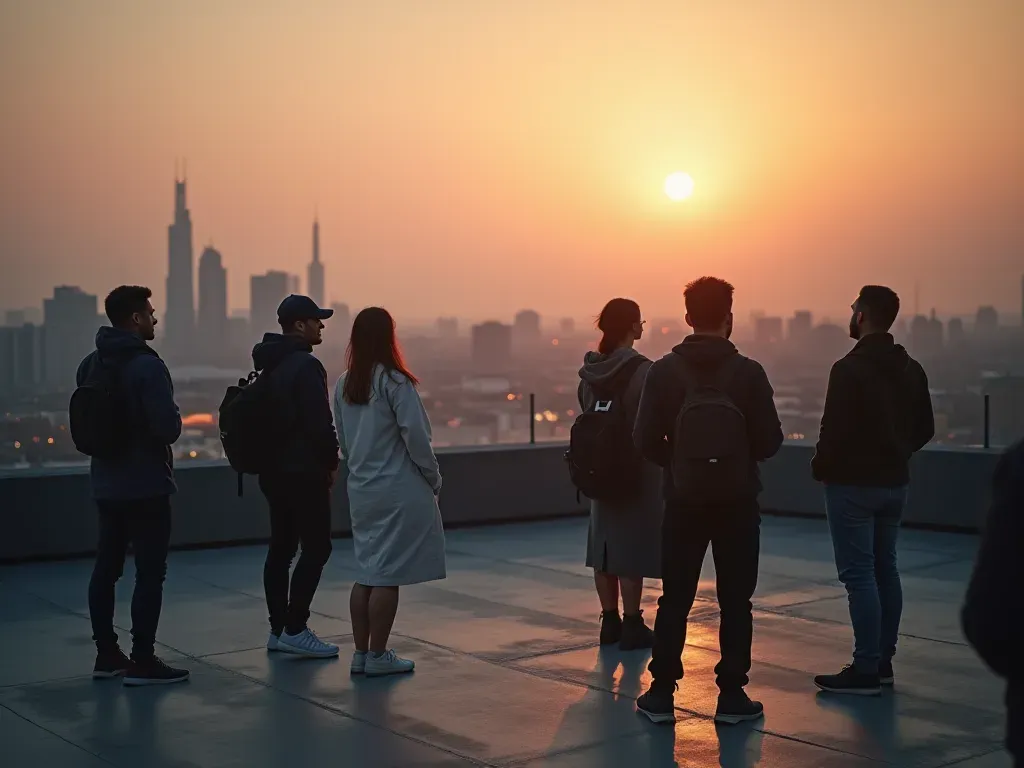
Timing your arrival makes the difference between a crowded scramble and a perfect observation. The shadow progression begins early in the evening and builds gradually. You want to secure your position at least forty five minutes before peak coverage. That buffer gives you time to set up equipment and adjust your eyes. Rushing in at the last minute guarantees you will miss the subtle buildup.
I recommend bringing a lightweight folding chair and a basic thermometer. Seriously, comfort directly impacts how long you can keep observing steadily. As the shadow approaches maximum depth, temperature drops become genuinely noticeable. Recording those changes helps you track the event's progression with real accuracy. Simple tools transform a casual glance into structured scientific observation.
Weather updates should be checked continuously, right up until the event starts. Summer atmospheric conditions shift rapidly, often without warning signs. A sudden cloud layer can completely block your viewing window. Having a backup observation spot nearby gives you flexibility. And honestly, flexibility is the single most important trait for successful sky watching.
The final thirty minutes of the event are actually the most visually striking. Shadow movement accelerates noticeably as the moon aligns with the solar edge. Those rapid changes demand constant attention and steady focus. Do not look away during that critical window — the best moments arrive suddenly. Your patience will be completely rewarded by the final alignment.
Timing the Maximum Coverage
Peak shadow alignment arrives precisely around twenty minutes past eight. That exact timestamp represents the highest percentage of solar obstruction. You should have your filters ready and your position locked down. But the actual maximum lasts only a few minutes before the moon continues its path. Miss that narrow window and you won't see the full effect.
Visual contrast shifts dramatically during those critical minutes. Surrounding objects appear to glow with a strange, metallic quality. Plant shadows become unusually sharp and well defined. Those environmental changes confirm you're watching the actual peak. Pay attention to those subtle cues instead of just staring upward.
I always tell first-time observers to keep a detailed log of changes. Write down temperature drops, shadow sharpening, and light intensity reductions. Those personal notes become incredibly valuable for future reference. You'll remember the event much more vividly when you have concrete data. Documentation turns a fleeting moment into a lasting scientific record.
What You Will Actually See
The sun will transform into a brilliant crescent shape against the darkening sky. That curved edge glows with intense orange and crimson tones. The moon appears as a solid black disk sliding smoothly across the face. The motion feels incredibly slow, despite covering massive distances. You'll understand why humans have tracked these events for millennia.
Ambient brightness drops to roughly half of normal evening levels. Streetlights and building windows begin illuminating much earlier than usual. Birds often change their vocal patterns during that sudden dimming. Animals react to light changes before humans even notice them. Those biological responses add a fascinating layer to the experience.
I guarantee you will feel a genuine sense of wonder watching the alignment. The universe operates on precise mathematical rules that we can actually observe. Standing in that shared moment connects you to everyone else looking up. It's a powerful reminder that we all share the same sky. Enjoy the show — and protect your eyes.