The trap that catches every American tourist in Europe
I've watched this play out more times than I can count. A traveler walks into some dim, slightly mysterious place in the old city center. They order a latte with total confidence. Then it hits them—something is off. Deeply, unmistakably off.
And honestly, the smell clues you in before anything else. It's not roasted beans and warm milk. It's earthy. Heavy. The whole vibe has nothing to do with grabbing a quick pick-me-up or hashing out a work plan. It's about settling in. Lingering.
Rick Steves flags this exact mix-up on his travel site. He points out that while the name matches exactly what we know back home, the actual purpose here in Amsterdam is something else entirely.
You're not getting a quick caffeine fix. You're walking into a space where the real product on offer is completely different. And that single fact reshapes everything about your afternoon.
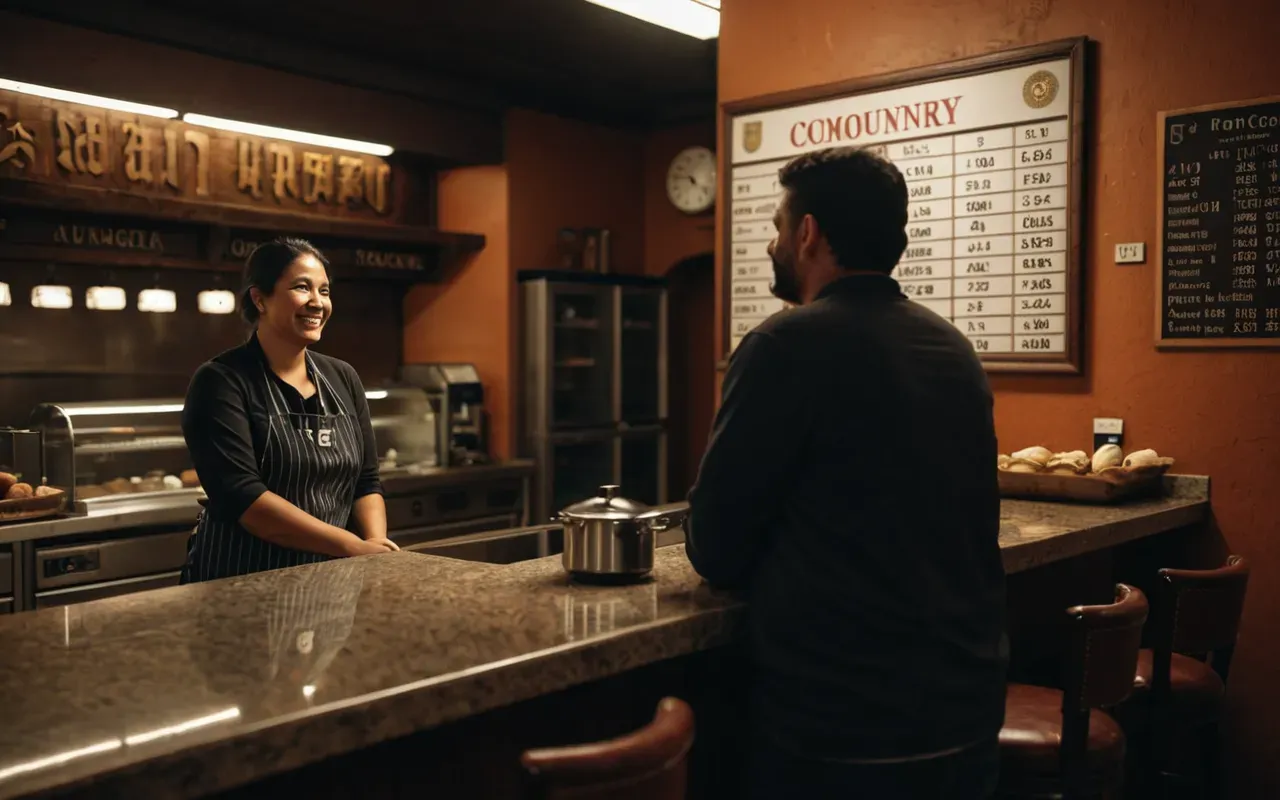
Why the word coffee shop means two completely different things here
Back in the States, a cafe is fast and loud. You grab your drink on the way to work, the commute, class. The whole transaction lasts five minutes, tops.
But in Amsterdam, the word carries serious legal and cultural baggage. It refers to licensed establishments allowed to sell small quantities of cannabis under local tolerance policies.
Steves makes it clear this isn't some oversight or branding accident. It's the actual business model. These venues aren't trying to be modern cafes in our sense of the term.
So if you're craving a flat white or an oat milk latte, look elsewhere. Sure, some of these spots might technically sell coffee. But it's rarely the reason anyone walks through the door.
The history behind a name that confuses everyone today
To understand why this is so baffling, you have to rewind about three hundred years. Coffee caught on like wildfire in the early 1700s, beloved by rich locals and poor alike.
Then the government slapped heavy taxes on these drinks. Small shops couldn't absorb those fees, so they went underground—still serving their communities, just without the crushing costs.
Those hidden spots turned into social hubs. People gathered to play games and drink alcohol. It was never really about the beverage itself. It was about carving out space away from the strict rules of public life.
Fast forward to the 1970s, and some of these underground venues started selling other prohibited goods on the side. That choice left a legacy that still defines what these places sell today.
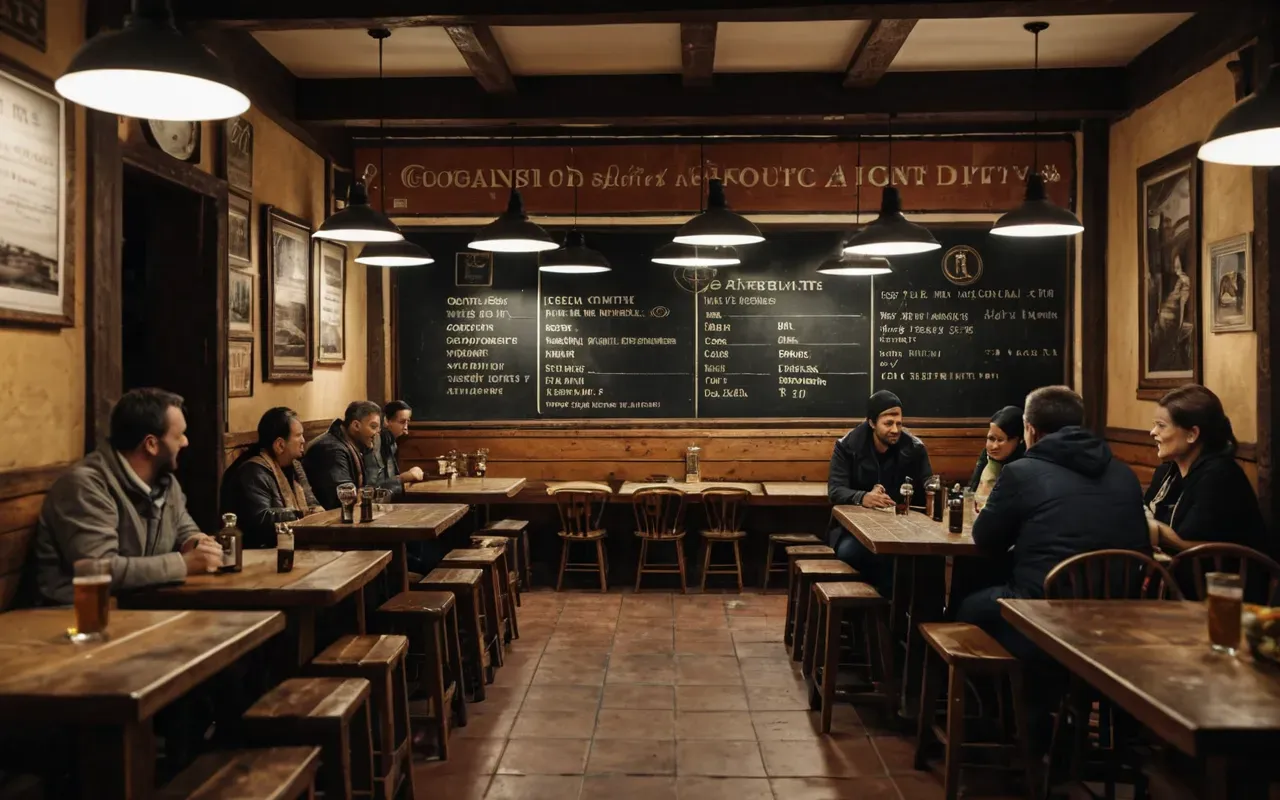
What happens when you actually walk inside one of these places
Steves points out that smoking is both legal and actively encouraged in these specific venues. You can plant yourself at a table for hours without a single person rushing you to leave.
That's a world apart from the quick-service model we take for granted at home. The pace here is unhurried, and it's intentional.
Keep an eye out for a green and white sticker in the window. That's the only official marker that a place operates under these specific local regulations.
If you spot Rastafarian colors or imagery on the front, that's another strong hint about what's being sold inside. These visual cues matter because traditional advertising is banned.
How to find a real coffee shop if you just want caffeine
Now, if your actual goal is a genuinely good espresso, you need to find the specialty roasters. Those places obsess over bean quality and brewing technique—nothing else.
Steves calls out spots like FUKU Café, where you can taste different roasts side by side. That's the kind of place that actually matches our expectations of what a modern cafe should be.
Another solid option is Rub Baba, known for its unusual flavors. These are the spots where you can camp out with your laptop and work without feeling like a fish out of water.
The trick is checking the menu before you even sit down. If it lists strains and varieties rather than drinks, you've walked into the wrong establishment for what you wanted.
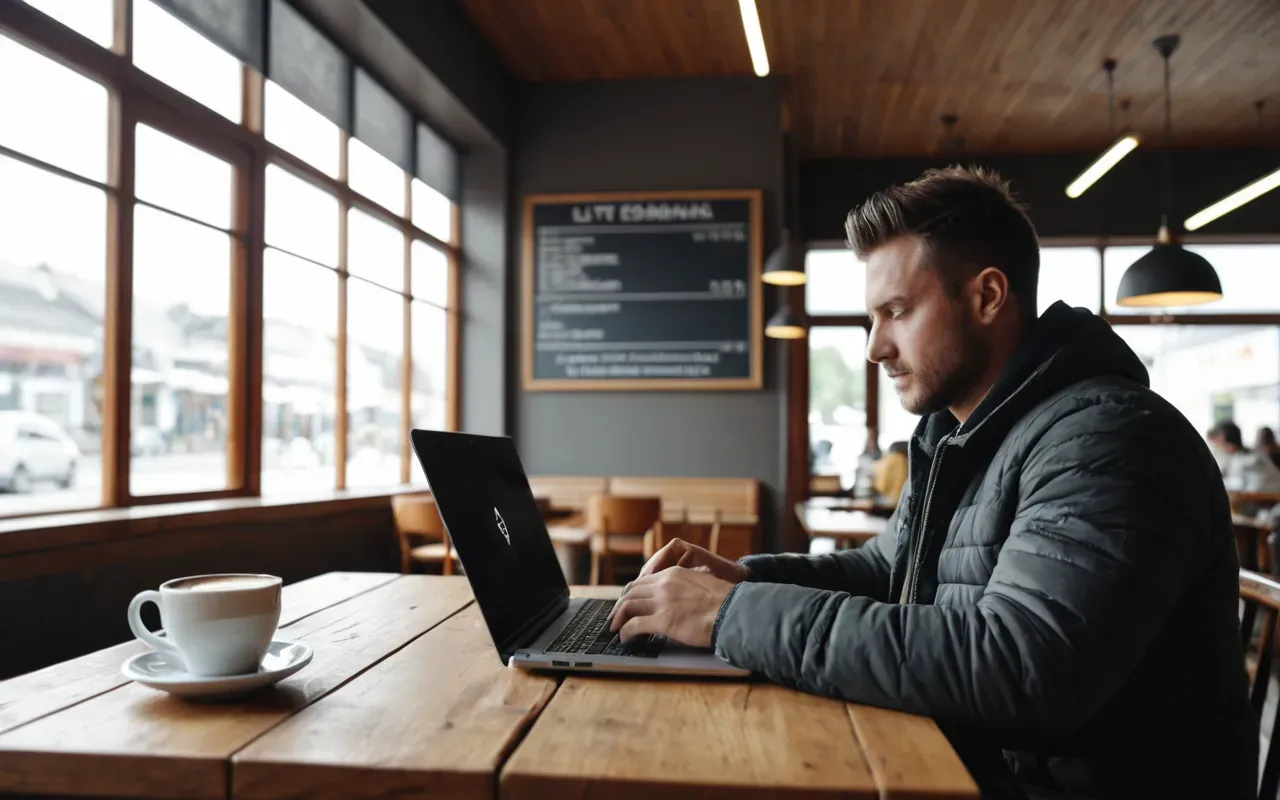
The real lesson is about embracing different cultural norms
Rick Steves has a simple fix for culture shock. You lean into the differences instead of fighting them or letting them throw you off course.
His argument is that witnessing how another society handles these questions is part of what travel is for. It rattles your assumptions and stretches your perspective in ways you didn't expect.
Whether you actually step inside one of these shops or stick to a traditional cafe, the awareness is what counts. It spares you from awkward situations and lets you plan your day with actual clarity.
And this confusion isn't unique to this one city, either. Plenty of European places use terms that translate poorly into English and send visitors down the wrong path.
A quick note on local regulations and your safety
One thing to remember: these shops can't advertise their main product. That restriction creates a strangely unique visual landscape across the city center.
If the menu isn't displayed, always ask for it. Staff are trained not to volunteer product information until you specifically request it.
Some venues even use a button system that reveals the menu under a light. It's a workaround that keeps them compliant with strict local laws about unsolicited offers.
Also, be careful—what's sold here tends to be far stronger than visitors expect. Tourists routinely underestimate the potency and wind up having a far more intense experience than they bargained for.
Why this distinction matters for your entire trip budget and time
Spending hours lounging in one of these shops is nothing like grabbing a drink on the go. That difference shapes how you schedule your walking tour and everything else on your list.
If your itinerary is packed, don't waste time hunting for these places. They'll slow your pace down significantly compared to a standard cafe.
But if you've got a free afternoon, they can be a genuinely interesting window into local culture. Just walk in with clear expectations so you don't leave disappointed.
Knowing the distinction also helps you budget smartly. Specialty coffee shops might charge more for premium beans, but they deliver a completely different kind of value.
Final thoughts on navigating this specific cultural quirk
The name is the only thread connecting these two types of businesses. Everything else—the atmosphere, the product, the entire point—is completely separate.
I genuinely believe this is one of the most crucial things for first-time visitors to grasp. It saves you time and spares you a heap of pointless confusion.
So before your next trip, take note. Craving coffee? Head to a roaster. Curious about the unique local culture? Study the visual signals in the window.
It's a small detail. But it makes a massive difference in how you experience the city. And honestly, that's exactly what good travel advice should do for you.