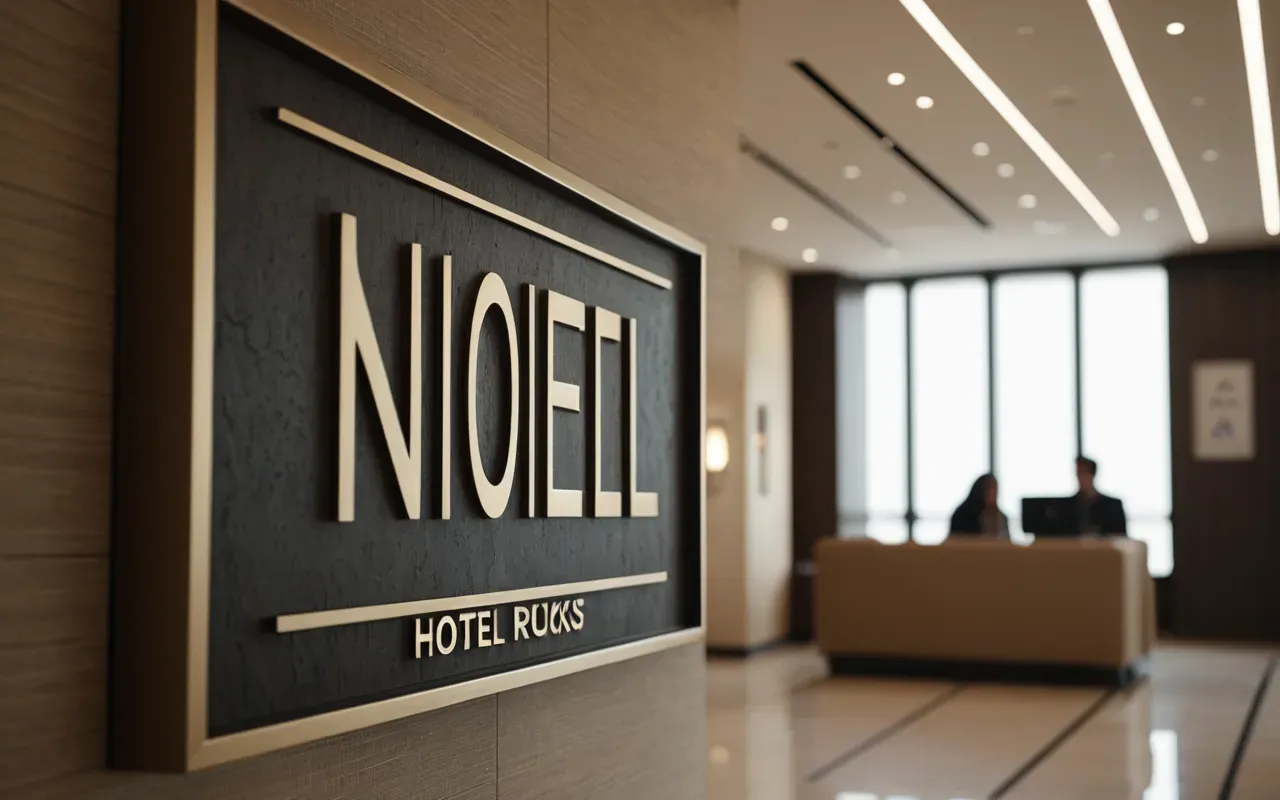
The Quiet District Everyone Skips
You've probably seen the same hotel photos a hundred times. Canals with red-brick facades. Bicycles leaning against wet cobblestones. A croissant on a marble table. It looks perfect on paper and feels expensive in person.
Then you arrive at your room. The ceiling fan rattles. The walls are paper-thin. You can hear the neighbor’s television through a bookshelf. And the street outside is louder than the canal you paid extra to see.
I've stayed in Amsterdam enough times to know that the postcard version of the city is not where you sleep. The real value hides one or two blocks away from the tourist traps.
Specifically, I'm talking about the neighborhood surrounding a major medical center. Most travelers don't even know it's there until they're walking past its glass entrance at night.
This area sits just outside the crowded canal ring. It's quieter. The buildings are newer. And the hotels here understand something that budget hostels do not: they need to serve people who value sleep over spectacle.
If you've ever felt exhausted after a day of sightseeing and ended up in a cramped room above a bakery that starts at AM, this shift in perspective might save your next trip.
Why This Location Beats The Tourist Trap
Let’s be honest. Staying in the absolute center of a historic city is often overpriced for what you actually get.
You pay a premium for the view of a narrow street. You pay extra to be within walking distance of three museums and two cheese shops.
But here's the thing. Those same museums are a fifteen-minute walk from the medical district. The cheese shops? Still close enough to visit without paying the 'tourist tax' that comes with central location.
The difference is in the noise. The medical area does not host late-night bars or street performers at every corner.
You get the convenience of being near public transit without the headache of sleeping next to a tourist bus depot.
I remember one trip where I stayed in the center and woke up every hour because of double-parked vans. My friend stayed near the hospital district and slept like a rock for four nights straight.
That is not an accident. It is urban planning meeting human need for rest.
The Hidden Benefit Of Medical District Lodging
There is a practical reason why this area has become a favorite among savvy travelers.
The hotels here are often built with modern standards. Think soundproof windows. Proper insulation. Air conditioning that actually works.
Older canal-side buildings are charming but often lack basic comfort upgrades. A historic facade does not mean your heating system is efficient.
When you stay near a major healthcare facility, the surrounding accommodations tend to cater to long-stay professionals and families.
This means the rooms are designed for comfort over flash. You get better beds. More desk space. Quieter hallways.
For a tourist who wants to wake up fresh and energetic for the day ahead, this is a huge advantage.
You are not sleeping in a museum. You are sleeping in a place built to help people recover and rest.
How To Choose The Right Room In This Area
Not every hotel in this district is created equal. You still need to be picky.
Look for properties that are at least two blocks away from the main hospital entrance. This avoids the constant flow of ambulances and emergency vehicles.
Check recent reviews for mentions of 'quiet' or 'peaceful'. These are the keywords that matter most if sleep is your priority.
Also, verify the distance to the nearest tram stop. Being close is great, but being too close can mean more street noise.
A good rule of thumb: you want to be within a five-minute walk but not right on the main road.
If you are traveling during a busy season, book early. The quiet rooms go fast because locals know about them first.
What Travelers Actually Say About This Spot
I have read hundreds of reviews from people who stayed in this area. A few themes keep coming up.
First, the staff is often more attentive because the clientele includes business travelers and medical families.
Second, the food options nearby are surprisingly good. You are not stuck with fast food if you want a proper meal.
Third, the sense of safety is high. The area is well-lit and active with daytime workers who leave after shift.
One traveler wrote that they 'finally slept through the night for the first time in a week' after switching to this neighborhood.
That kind of feedback is rare in city travel. It speaks to a deeper need that most marketing materials ignore.
The Real Cost Of Ignoring This Option
It is not just about money. It is about energy.
If you are tired every day because your room was noisy and uncomfortable, you will skip activities. You will eat less well. You will enjoy the trip less.
Staying in a better-rested state changes how you experience everything else. You notice more details. You appreciate the food more.
That is a hidden return on investment that no hotel brochure will mention.
Frequently Asked Questions
Is staying near a hospital safe for tourists?
Yes. These areas are typically well-lit and monitored due to the high volume of staff and visitors during working hours.
How far is this district from major tourist attractions?
It is usually within a fifteen-minute walk or a short tram ride from the central canal ring and major museums.
Are hotels in this area more expensive than central options?
Often they are comparable or slightly less expensive because you avoid the premium charged for prime canal views.