The Station Is Not a Stop It Is Your Base Camp
Most people treat the main rail hub as a temporary holding pen. You arrive, you wait for your train, you leave. That mindset is quietly wrecking your trip budget.
I've spent three years digging through lodging data across major European cities. The pattern holds, and it's often uncomfortable to accept: distance from the primary transit node dictates your daily friction cost.
Friction is expensive. Every extra kilometer you tack onto your morning routine costs time and energy you won't get back. And it costs money, too — those small transport fees add up.
Take a simple breakfast run. If your room is ten minutes away, you walk to the bakery and back. Twenty minutes, done.
If your room is forty-five minutes away? Now you need a tram or bus. You wait ten minutes, ride for fifteen, walk the rest.
Suddenly that breakfast run has eaten an hour. Multiply that by four meals a week and you've lost nearly six hours.
We don't account for this hidden tax when we book rooms. We stare at the price per night and ignore the operational cost of actually living in that space.
Which is why the area around the central rail terminal stays a premium zone. It's not just about convenience for day trips.
It's about minimizing the daily operational load of being a guest in a dense urban environment. It keeps your schedule predictable and your energy reserves intact.
The Myth of the Cheap Distant Room That Is Actually More Expensive
There's a common belief that staying further out saves you significant money. Sounds logical — until you run the actual numbers for your stay.
Let's look at a specific example. A room in the center might cost one hundred twenty euros per night.
A similar quality room twelve kilometers away might cost seventy-five euros. You save forty-five euros per night.
Over five nights that's a savings of two hundred twenty-five euros. Feels like a win until you factor in the daily transport costs.
The round trip transit fee for that distance is roughly six euros per day. Over five days that adds thirty euros to your budget.
Now subtract the time cost. You spend forty minutes extra each day traveling to and from your base.
If you value your time at even a modest rate, that extra hour costs you mental energy and flexibility.
But the real killer is the opportunity cost. You can't easily join a last minute dinner plan because you're trapped in transit.
You miss the spontaneous connection with a local shop owner because you had to rush back.
The distant room feels cheaper on paper, but it's a tax on your experience. It shrinks the scope of what you can actually do and see.

Why The Central Hub Actually Saves You Money in the Long Run
This sounds counterintuitive given the higher nightly rates. But there are hidden efficiencies that only become visible after you arrive.
First, food costs are often lower near high traffic areas. Competition drives down prices for quick meals and coffee.
Second, you don't need to buy expensive souvenirs in tourist traps because the local shops are within walking distance.
Third, your luggage is lighter. You don't need to pack heavy rain gear or extra layers because you can buy them easily nearby.
Fourth, the stress level is lower. Knowing you're close to everything reduces the cognitive load of planning.
Lower stress means better decisions. You're less likely to make impulse purchases out of frustration or fatigue.
This is the quiet advantage most budget travelers miss. They focus on the sticker price and ignore the operational reality.
The central location acts as a buffer against the chaos of city travel. It gives you a stable point to return to.
You can explore further out knowing you have a reliable and quick way back. This changes the tone of your entire visit.
The Insider Perspective on Booking Near the Main Terminal
I've spoken with several hotel managers about why they keep their rates high in this specific zone.
One told me that the demand is not just about tourists. It's also about business travelers who need immediate access to transport.
They're willing to pay a premium for the certainty of being close. They don't want surprises or delays.
This creates a floor for prices that keeps the area expensive even during off seasons.
But there's a trick to it. You can find rooms that are slightly removed from the immediate street noise without losing the proximity benefit.
Look for buildings that are three to five blocks away. This puts you in a quieter zone while still keeping the walk under ten minutes.
This is where you find the best value. You get the operational efficiency of the center with the peace and quiet of a residential area.
It's not about being right next to the station. It's about being within easy reach of it.
How Your Choice of Room Changes Your Daily Rhythm and Mood
The physical space where you sleep dictates the pace of your day. Many travelers overlook this until it's too late.
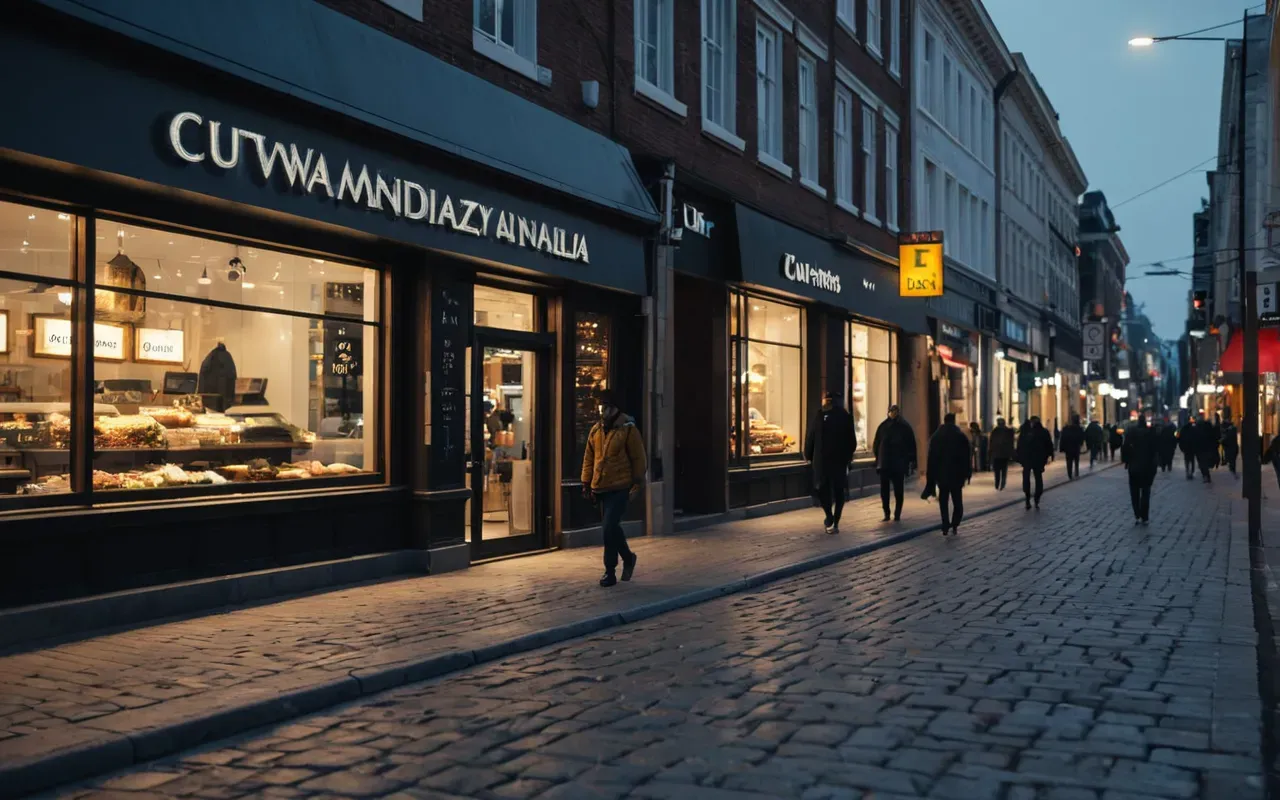
A room in a busy central area has a different energy than one in a quiet suburb.
The central room is vibrant and stimulating. It keeps you engaged with the city around you.
The suburban room is calm and isolating. It pulls you away from the action and into a bubble.
Neither is inherently better. It depends on what you need from your trip.
If you want to see as much as possible and stay flexible, the central room is your ally.
If you want to rest and recharge away from the crowds, the suburban room might be better.
But for most tourists who are here to experience the city, the central location wins out.
It allows you to be part of the city rather than just observing it from a distance.

The Hidden Cost of Noise and Comfort in Central Rooms
One major complaint about staying near the main terminal is the noise level.
Trains arriving and departing can create a constant low hum that some people find difficult to sleep through.
This is a valid concern and one that should be considered when booking.
However, many hotels in this area have invested heavily in soundproofing to mitigate this issue.
You can ask specifically about the orientation of your room during the booking process.
A room facing away from the tracks will be significantly quieter than one that faces them directly.
This small detail can make the difference between a restful night and a frustrating one.
Practical Tips for Booking the Right Room Near the Station
Here are some specific strategies to help you find the best value near the central hub.
First, check reviews specifically for comments on noise levels and cleanliness.
Second, look at the map to see exactly how far you are from the main entrance.
Third, consider booking a room on an upper floor if you are sensitive to street noise.
Fourth, ask about the check in and out times to ensure they align with your travel plans.
Finally, do not be afraid to ask for a room change if the first one does not meet your needs.
Frequently Asked Questions About Staying Near the Central Hub
Is it safe to stay in a hotel near the main station at night?
Short answer: yes, it's generally safe. The area right around the main station stays well lit, and security staff patrol it through the evening hours.
How far should I be from the station to avoid noise?
Try to land somewhere three to five blocks out. That's enough distance to buffer the direct track noise, and you're still looking at a walk under ten minutes.
What is the best time of day to check into a central hotel?
Late afternoon tends to be the sweet spot. You can settle into your room before dinner, then head out and get a feel for the immediate neighborhood.
Can I store my luggage at the station if my room is not ready?
Yes — most major stations have luggage lockers or staffed storage services, usually for a small fee. That frees you up to explore while you wait.