The Silent Donor Who Changed Everything in One Weekend
Most people assume big culture happens in capitals. Not this time. A quiet town called Kapelle just pulled off a feat that usually takes years of political bickering and budget cuts.
The Annie M.G. Schmidt Museum is officially happening. That simple sentence should stop you cold if you think local heritage projects always fail from lack of cash.
An anonymous individual stepped in with a massive check. They promised to cover the entire purchase price of €550,000 for the historic house at Kerkplein.
I was struck by how fast this moved. The foundation Bij Annie Thuis had been working on this idea for over a year before the money landed.
Why Kapelle Is Actually Winning the Heritage Race Right Now
We keep seeing big cities struggle to maintain their landmarks. High maintenance costs and political gridlock often stall these projects for decades.
But here is the thing. Small towns like Kapelle have a distinct advantage that major metros simply cannot replicate at scale.
Community cohesion is the secret sauce. When a famous local figure like Schmidt was born in your backyard, you do not just want to preserve it.
You fight for it. The crowdfunding campaign raised €155,000 before the big donor arrived. That is real money from people who actually care.
The Economic Ripple Effect Nobody Is Talking About Yet
People focus on the books. Jip and Janneke. Abeltje. Pluk van de Petteflet. These are icons for millions of readers across generations.
But the real story is about tourism economics. A dedicated museum in a small town creates a new destination for cultural travelers.
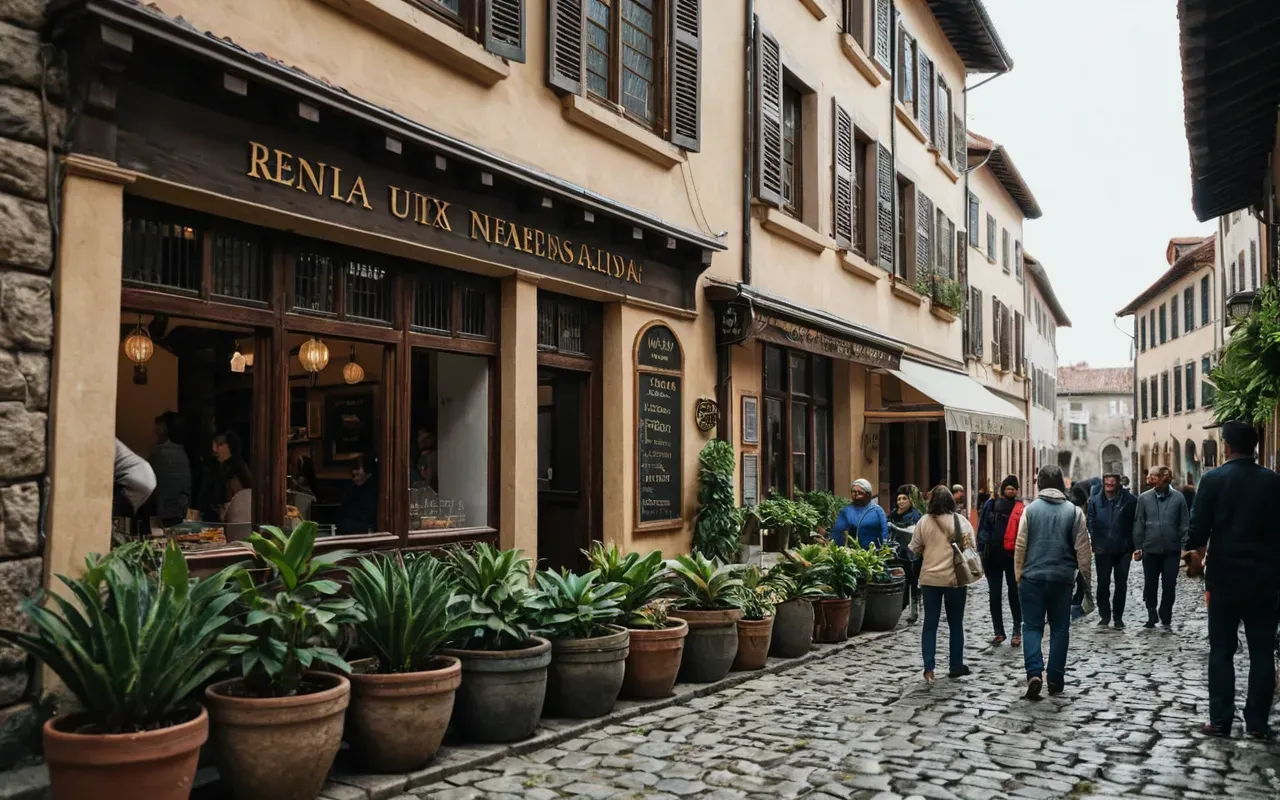
Visitors will not just drop by. They will stay for the day. They will eat at local restaurants and shop in nearby stores.
This changes the dynamic. Kapelle becomes a node on the cultural map, not just a stopover on the way to bigger cities.
The Timeline That Keeps Me Up at Night Slightly
Hendriek Flikweert-Herselman says the museum could open within one to fifteen months. That sounds optimistic on paper.
But construction in this region is tricky right now. The availability of contractors is a major bottleneck for any renovation project.
If they miss the window by even three months, the momentum could stall. Public enthusiasm has a shelf life.
The foundation already has an agreement with the current owner. That is a huge safety net that many other projects lack entirely.
What This Means for How We Value Local Stories Now
We are living in an era where global brands dominate our attention. A small-town museum feels almost radical by comparison.
It says that specific places have value beyond their economic output. They hold memory and identity for the people who live there.
The anonymous donor did not do this for a tax break. They did it because the story mattered to them personally.
That kind of emotional investment is rare. And it is exactly what our fragmented cultural landscape needs right now.
The Skeptic in the Room Asking Hard Questions About Money
To be fair, some people will ask where this money came from. Anonymity is common in high-value donations, but it raises eyebrows.
We do not know if this is a corporate entity hiding behind an individual name. Transparency matters in public trust projects.
But the foundation is a registered entity. They have legal obligations to report how funds are used and accounted for properly.
The crowd funding part adds a layer of legitimacy. Those small donations came from real people with receipts and names.
The Bigger Picture of Cultural Preservation in Small Towns Today
This is not just about one writer. It is about a model that other small towns can copy and adapt for their own heroes.
Every region has someone who defined a generation through art or science. The question is whether they have the will to save their legacy.
Kapelle proved that with enough community push and one big check, you can beat the odds against neglect.
The museum will not just display books. It will tell the story of a woman who turned simple words into magic for millions.
And it will do so in a place that was once just another quiet spot on the map. That is a powerful shift indeed.
What Happens Next When the Doors Finally Open to Visitors
Expect long lines initially. The curiosity factor will be huge for the first few months of operation.
Local guides will need training. The foundation must hire staff who can tell the story with passion and accuracy.
School trips are already in planning stages. This museum will become a mandatory stop for young readers everywhere.
The economic boost to local hospitality businesses will be significant over the next three years.
This is a win for culture. It is a win for community. And it is a lesson in how small actions create big change.