The Tiny Tin Plate That Changed How We Remember Travel
You probably have a fridge magnet. Or two dozen. You bought it in an airport shop because you needed proof the trip was real — and that small act of souvenir collecting is older than most people think.
The word “souvenir” came into Dutch print only in 1837. But the behavior behind it — taking a physical reminder home from a journey — goes back centuries earlier, to medieval pilgrims pinning small metal badges onto their cloaks.
Here's the thing: we treat souvenir shopping like a modern convenience. In reality, it is one of the oldest forms of mass-produced consumer goods tied to travel.
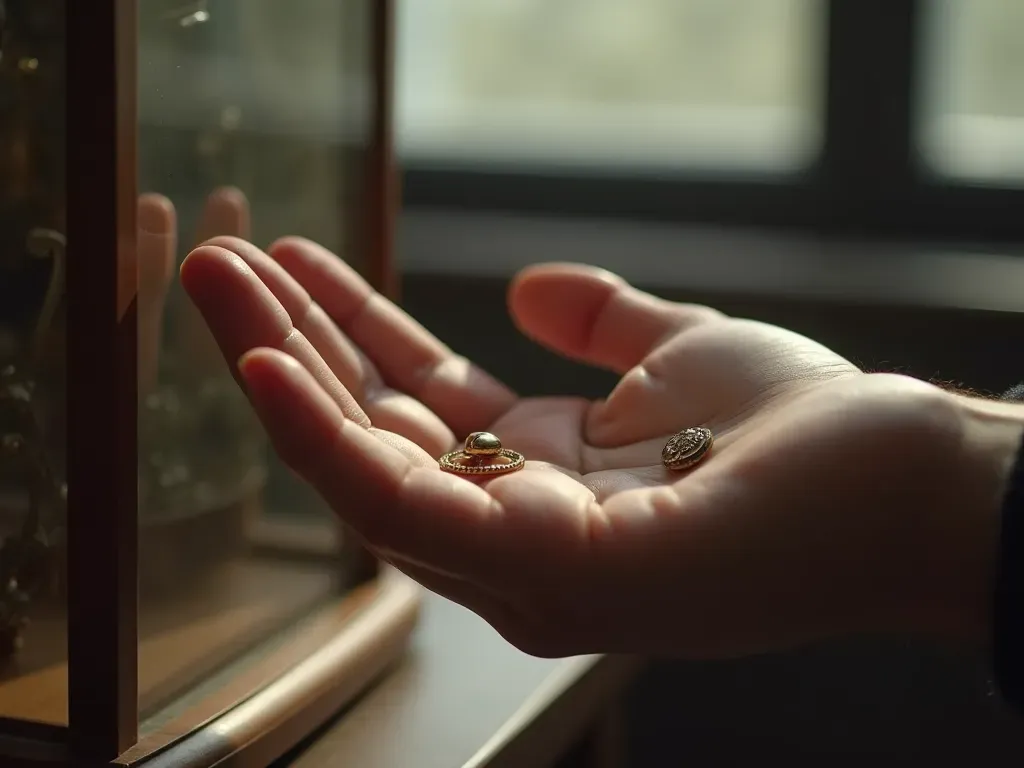
The Medieval Version of the Fridge Magnet Was Actually a Mass-Produced Good
From around the twelfth century onward, religious pilgrimages became a large-scale movement. More people traveled farther, and demand for visible proof of those journeys grew with them.
The solution was tin. It was cheap and it melted at a relatively low temperature, so workshops could press out large numbers of small insignes quickly.
These were not one-off heirlooms. They were manufactured on a commercial scale and sold to travelers in volume — an early form of what we now call tourist goods.
I find that detail striking. The idea of a cheap, widely available travel memento is not a product of planes and highways.
It emerged from a religious economy where proof mattered. You could wear the badge as evidence you had gone to a holy site and returned.
Why Proof of Travel Became So Important in the First Place
For many people, a long journey was rare. Returning with something you could show others carried real social weight.
The badge was not just decorative. It functioned as a credential — something visible that said you had done the thing and come back.
And once production scaled up, what began as a personal token turned into an early consumer market.
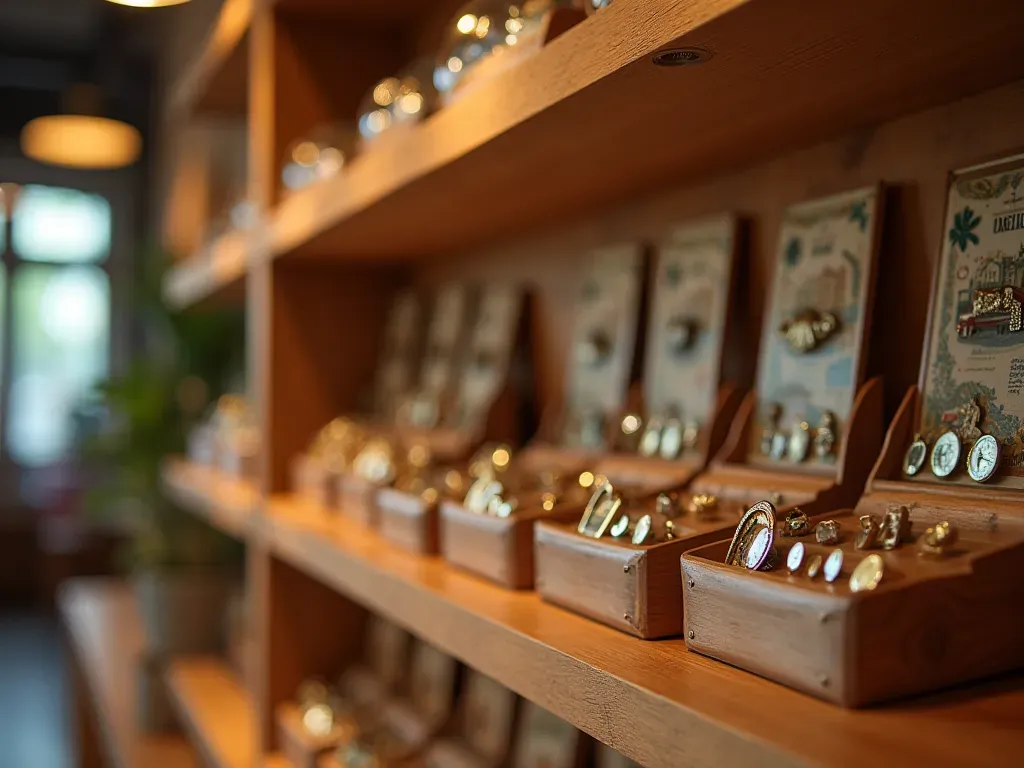
The Wealthy Elite Were Collecting Souvenirs Long Before Mass Tourism Arrived
Fast-forward to the seventeenth and eighteenth centuries. Vacation as we understand it did not exist for most people yet.
But wealthy young men from families with money and status took long educational trips across the continent. These journeys were called grand tours.
They did not come home empty-handed. Graved stones and small carved pieces were popular items to bring back.
Those objects often ended up stored in decorative boxes. The act of collecting them was part of the experience itself.
So even before cheap tickets and package holidays, the habit of buying a reminder was already embedded in how travelers thought about their trips.
Souvenir Collecting as a Sign of Status Rather Than Memory
For the elite, these items were not just about remembering a place. They signaled education and exposure.
A carved stone in a nice box said more about the owner than it did about the destination.
That distinction matters. The modern souvenir market inherited this tension between memory and status.
What Changed When Ordinary People Could Finally Afford to Travel
The real shift happened with industry and rail networks. Travel stopped being something only the wealthy could do.
As more people traveled farther and for longer periods, demand moved from rare objects to affordable items that could be bought in bulk.
That is when the modern souvenir economy took shape: magnets, keychains, hats, pens, glasses cases, mugs.
Each item did the same job as a medieval tin badge: it proved you had been somewhere.
But the scale was different. Now millions of people were doing it at once.
Why We Still Buy the Same Kinds of Things Even Though Travel Has Changed Completely
I have a theory: the reason we still buy these objects is that they solve an old problem in a modern context.
Photos are easy now. Digital files fill phones and hard drives. But a physical object still feels different in the hand.
It is tactile. It has weight and texture. You can hand it to someone or set it on a shelf where you will see it again.
And that is exactly what the medieval badge did too. It made an intangible experience visible.
The medium changed from tin to plastic or metal. The purpose did not.
The Hidden Psychology Behind a Fridge Magnet Purchase
When you buy a small souvenir at the end of a trip, you are often doing more than shopping.
You are closing a chapter. You need something concrete to carry the experience home with you.
That impulse has not changed. It just became cheaper and more widespread over time.
So the next time you pick up a small trinket in an airport shop, remember: you are participating in one of the oldest consumer habits tied to travel.
What This Story Says About the Future of Travel Remembrance
As trips become faster and more standardized, the physical memento may actually matter more, not less.
Digital records are easy to lose or ignore. A small object on a shelf keeps the memory anchored in daily life.
If that sounds familiar, it is because the logic goes straight back to those first medieval badges.
The story of souvenirs is not about small objects. It is about how humans have always needed proof that they moved through the world.
And in a way, every one of us is still doing what those pilgrims did — just with better materials and cheaper prices.