
The Rainbow Mirage: Festivity Versus Fear
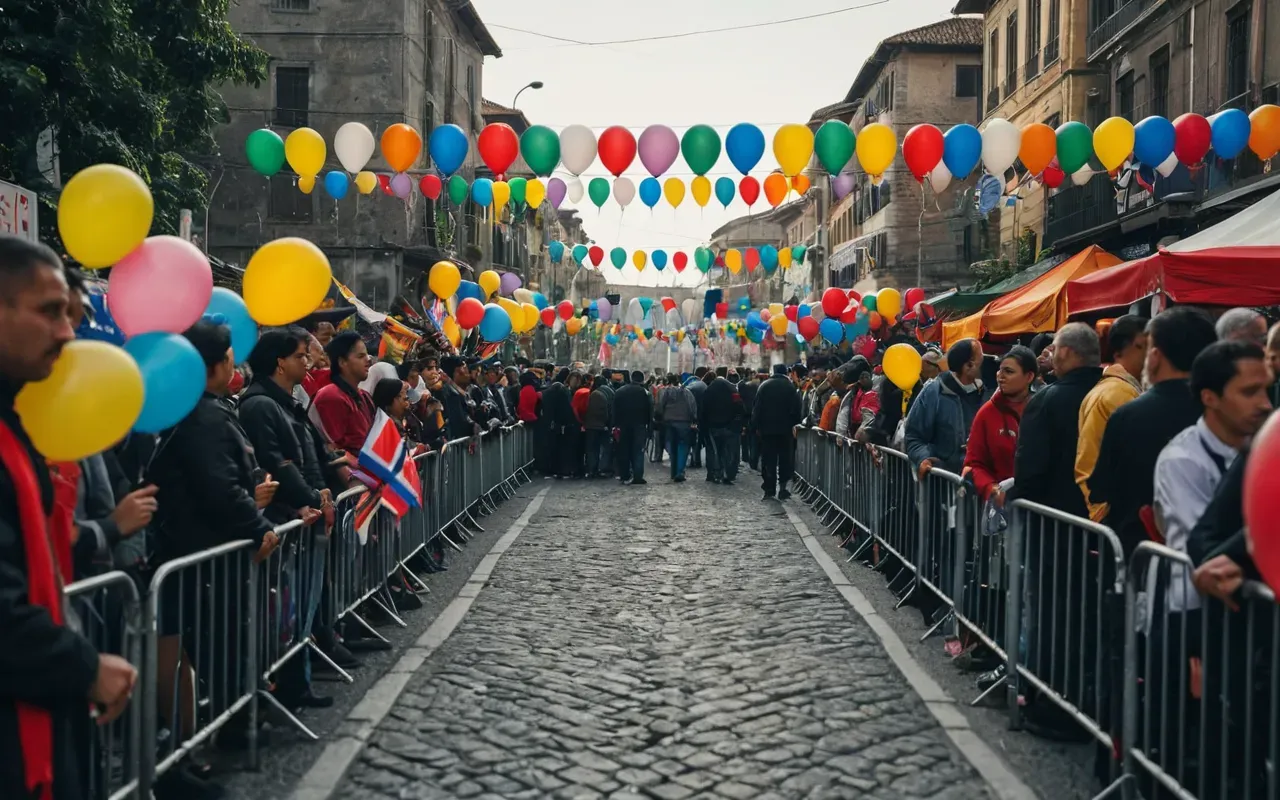
Look at the scene. It's vibrant. Loud. Unapologetic. The canals of Amsterdam are choked with boats draped in rainbow flags, and the air hums with bass-heavy beats that vibrate right through your chest. Everyone is smiling. Or so it seems from a distance.
But here's the thing nobody tells you in the glossy brochures. This celebration is unfolding under a cloud of genuine fear. Mayor Femke Halsema called it both a feast and a protest. She says they go together well. I'm not so sure.
To be fair, the duality is stark. On one hand, you have John Norris from Dallas celebrating with his friend Steven and a massive group of sixty Americans. They're here because back home their rights are being actively stripped away. Their existence is denied.
On the other hand, you have concrete blocks being shoved into place at Leidseplein. Police on every corner. The attack in Berlin just last week wasn't a distant memory for these organizers. It was fresh blood.
The Political Elephant in the Canal Boat
Premier Rob Jetten showed up. He didn't just watch from the sidelines. He rode on a boat during the Canal Parade. That was unexpected. It sent a shockwave through the political discourse in The Netherlands.
Jetten is the first openly gay premier of this country. He faces negative comments regularly. He said people will have to get used to a homo in the Torentje. That's the prime minister's office.
But his presence highlighted a painful contradiction. While he celebrated freedom and pleasure, he also admitted that acceptance is under heavy pressure worldwide. And even here? Yes. Even in the Netherlands.
Consider the data from Equaldex. The legal equality index shows a stark drop. The Netherlands used to lead the world in equal rights early this century. Now? It has fallen to eighteenth place.
Why the fall? Because changing gender registration now requires an 'expert declaration'. It's bureaucratic. It's invasive. Worse still, controversial surgeries on intersex children are not banned here.
Who Wins and Who Loses in This Narrative?
If you look closely at the winners of this year's WorldPride, it's not just the LGBTQ+ community. It's also the tourism industry. Amsterdam wants to show it is safe. It wants to show it is progressive.
But who loses? People like Oluchi Egemasi from Nigeria. She came with two friends who refused to be photographed. In Africa, being gay can get you killed. Here there is no rejection.
For them this event is not just a party. It is proof of life. It is validation that they are not monsters as their home societies claim. That's a heavy burden to place on a parade.
The Business of Identity: Scruff and The Spectacle
Then there's the commercial side. George Chum from the Czech Republic was here with colleagues to promote Scruff. He said it started for bearded men but is now broader.
He joked that if you want a bearded man their app is best. Lighthearted, sure. But it raises a question. Is Pride becoming just another marketing platform for tech companies?
I don't think it's wrong to have fun. George was proud of his work. But we must be careful. When profit drives the narrative, does the protest lose its teeth?
Madonna performed unexpectedly. She's an icon for the queer community. Her surprise appearance was bold. It showed her ongoing commitment to visibility.
Yet even icons can't hide the cracks in the foundation. The joy is real. But so is the anxiety. We're celebrating twenty-five years of same-sex marriage legalization.
Twenty-Five Years Later: Progress or Stagnation?
Exactly a quarter-century ago the Netherlands became first in the world to allow same-sex couples to marry. That was revolutionary then.
Today the Equaldex index says we're sliding backward. Is this stagnation? Or is it a natural reaction from societies resisting rapid change?
Rob Jetten urged young people to come out. He shared his own fear at fifteen and sixteen. It was scary for him too.
He said it gets better once you take that step. I believe him. But the environment matters. If society turns hostile, does 'better' still apply?
The Global Backlash No One Can Ignore
John Norris said Americans are here because their dignity is under threat. He noted that you only realize the value of freedom when it disappears.
This isn't unique to America. Look at Nigeria. Oluchi said her friends would be rejected or worse there. The contrast between Amsterdam and Lagos could not be sharper.
Pride in Amsterdam feels like a sanctuary. For travelers from hostile regions this event is vital. It offers proof that acceptance exists.
But can a single city sustain this hope against global trends? The security measures suggest the answer is uncertain. Concrete blocks don't inspire confidence.
The Human Cost of Celebration
June from Lelystad was dancing with drag queens on the main stage at Dam Square. She said she had no idea what they would do except dance and party.
Her joy was infectious. It represented the pure spirit of acceptance. Everyone is equal here, she said.
Yet even for June there is context. She mentioned acceptance. That word implies a struggle. If everyone truly accepted, why would she need to say it?
Mauna Schuler is only eight years old. She came from Switzerland with her family. Her godfather is queer and her mother works with trans people.
She said it is important that everyone can be themselves. That includes being visible. Children understand this better than politicians sometimes.
Security Protocols: Protection or Paranoia?
The Canal Parade went without serious incidents. That's good news. But the heavy presence of police tells a different story.
Shovels moved concrete blocks at every access point. Cars were kept back from the crowds. This was not standard procedure for past events.
Why the escalation? The Berlin attack was recent. It showed how quickly joy turns to terror. Organizers had no choice but to prioritize safety.
Does this ruin the vibe? Some might say yes. But for those who fear violence it provides necessary reassurance.
Looking Beyond The Rainbow Flags
What does WorldPride mean for the future? It is a milestone. Twenty-five years of legal marriage recognition in The Netherlands.
But laws are only part of the battle. Social acceptance lags behind legislation. The Equaldex drop proves this clearly.
We need more than parades. We need policy changes that protect intersex children. We need easier gender recognition processes.
If you want to understand the deeper history this floating hall of fame project offers great context. It shows queer resilience.
The Role of Tourism in Shaping Perception
Amsterdam relies heavily on tourism. WorldPride brings millions of visitors. This boosts the economy significantly.
But overtourism is a problem. The push to manage visitor numbers continues.
Can a protest fit within a tourist spectacle? It is complicated. The line between celebration and political action blurs easily.
Local residents feel the strain too. Noise, crowds, and housing costs rise with every major event.
Finding Balance in a Polarized World
Teddy Tops wrote about love as resistance. She noted that visibility comes with a price.
Her words resonate here. Love is powerful but it requires protection. Without safety, love cannot flourish.
The Queer Knokploeg concept highlights this need. Physical safety enables emotional freedom.
We cannot ignore the threats. We must also celebrate our gains. It is a delicate balance.
Lessons From The Frontlines of Acceptance
George Chum got on stage and talked about beards. Funny, sure. But it also said something real about how much variety exists inside this community.
Not everyone fits the mold. And scruff, of all things, shows how niche markets can creep into the mainstream.
Honestly, it mirrors the bigger fight. You've got individual identities folding into one collective voice.
John Norris reminded us that dignity doesn't check a passport. It's universal. Simple as that.
The Unspoken Anxiety Behind The Smiles
Oluchi's friends turned down photos. Their fear is genuine. For them, being visible here could mean danger back home.
Amsterdam gives them temporary refuge. But permanent safety? That's still up in the air.
We need to sit with that complexity. Joy and fear can share the same street corner.
The concrete blocks stand there silently. They're a reminder of exactly what's at stake.
Moving Forward: What Comes Next?
The parade wraps up. Flags come down. But the work keeps going.
Laws need updating. Attitudes need shifting. It's a long haul, no question.
Rob Jetten's message hit hard. Come out if you can. It gets better.
But "better" doesn't just happen. It demands systemic change. Individual bravery alone won't cut it.
A Final Thought On Visibility And Vulnerability
WorldPride showed our strength. It also exposed how fragile things really are.
We celebrate because we have to. We protest because there's no other option.
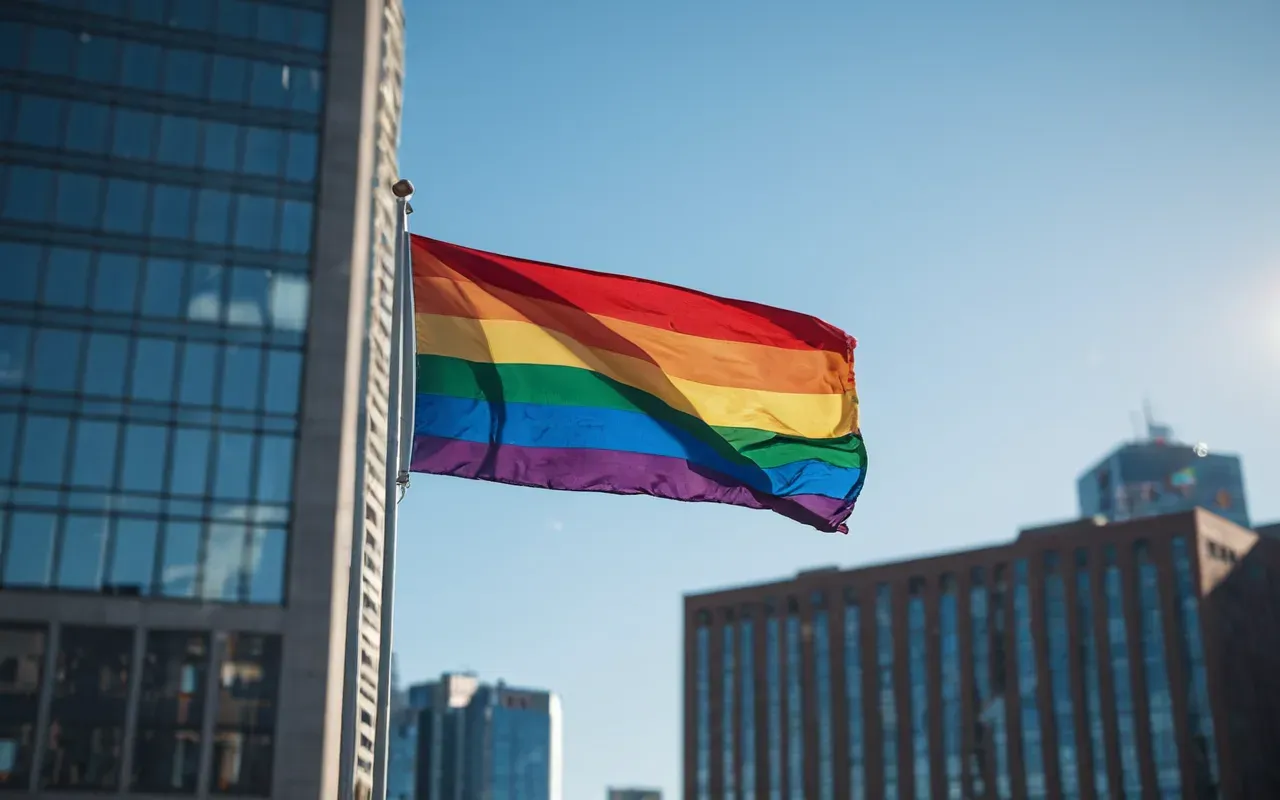
The rainbow shines bright. But shadows linger. We can't ignore either one.
As the sun sets on Amsterdam's celebration, one truth stands out. Love persists. Through everything.
Yes, it's fragile. But it's resilient too. And that resilience is what defines us.
Let this event remind us of something. Progress is never guaranteed. You have to fight for it every single day.
So we keep fighting. With joy. With protest. With love.


Comments ()