The Two Week Silence That Changed Everything
Imagine the confusion. A world-famous artist dies on August 14th in Tokyo. But for nearly two weeks, nobody says a word.
The news finally broke on August 27th. That gap wasn't a glitch or a leak. It was a calculated choice.
Most people assume estates rush to announce deaths for PR reasons. Here, the logic was inverted.
The delay protected a specific date: September 11th. That's when the Stedelijk Museum opens its major retrospective.
If Kusama had died on the 14th and the news had dropped immediately, the press cycle would have swallowed the show launch whole.
Instead, the announcement landed just days before opening. It reframed the entire narrative in an instant.
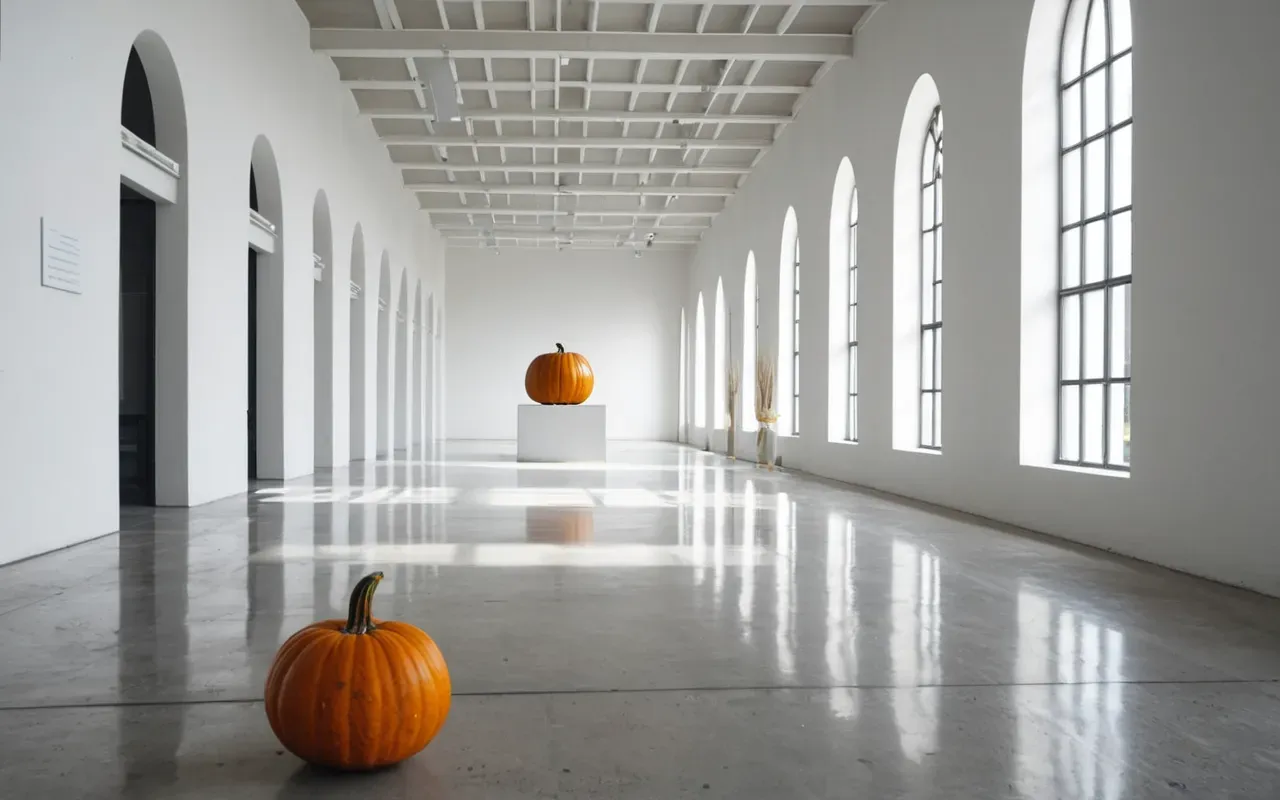
Why Museums Are Suddenly Controlling Death Narratives
This isn't the first time institutions have managed an artist's final chapter.
But Kusama is different. She was alive during the curation process.
The museum worked closely with her studio until days before the opening. Leontine Coelewij calls it a rare honor.
Usually, posthumous shows are assembled by curators guessing what the artist wanted. Here, she had the final say.
That changes how we view legacy. It's no longer a retrospective interpretation.
It's a final act of creation. The death becomes part of the artwork's timeline.
I find this fascinating. In those final months, the boundary between life and art blurs completely.
The Polka Dot Philosophy That Defies Age
Kusama said polka dots are a path to infinity. At 97, she was still painting them.
Most artists slow down in their nineties. They reduce output or stop entirely.
Kusama did the opposite. She kept a relentless pace of production right up to her death.
This challenges our assumptions about cognitive decline in aging artists.
The Mirror Room Legacy
Her infinity rooms are the most photographed installations in modern art.
They trick your brain into seeing endless space. It's a physical experience of the infinite.
Now that she's gone, those rooms take on a new weight. They feel like final statements.
Visitors will walk into those mirrors knowing the creator is no longer there. The interaction changes fundamentally.
The Pumpkin Symbolism Explained
Pumpkins are her other iconic motif. She saw them as symbols of resilience and abundance.
In her final years, these sculptures became even more prominent in her work.
They represent a life fully lived. A round form that contains everything within it.
What This Means for the Global Art Market
The death of a major artist usually triggers price volatility in the secondary market.
Kusama's works have held value strongly for decades. Her death may accelerate that trend.
But here's the twist. The supply of new work has now stopped permanently.
Collectors who missed the window during her active years have lost their last chance.
That scarcity drives up auction prices for existing pieces. We saw this with other modern masters.
The Stedelijk show will likely serve as a benchmark for valuation in the coming months.
The Unspoken Pressure on Museum Directors
Rein Wolfs called the news exceptionally sad. That's a human reaction in an institutional role.
Directors face immense pressure to turn grief into a successful exhibition quickly.
The delay strategy required precise timing. One day off and the narrative would have collapsed.
This shows how much museums now rely on strategic communication rather than just curation.
The line between art history and public relations is getting thinner by the day.
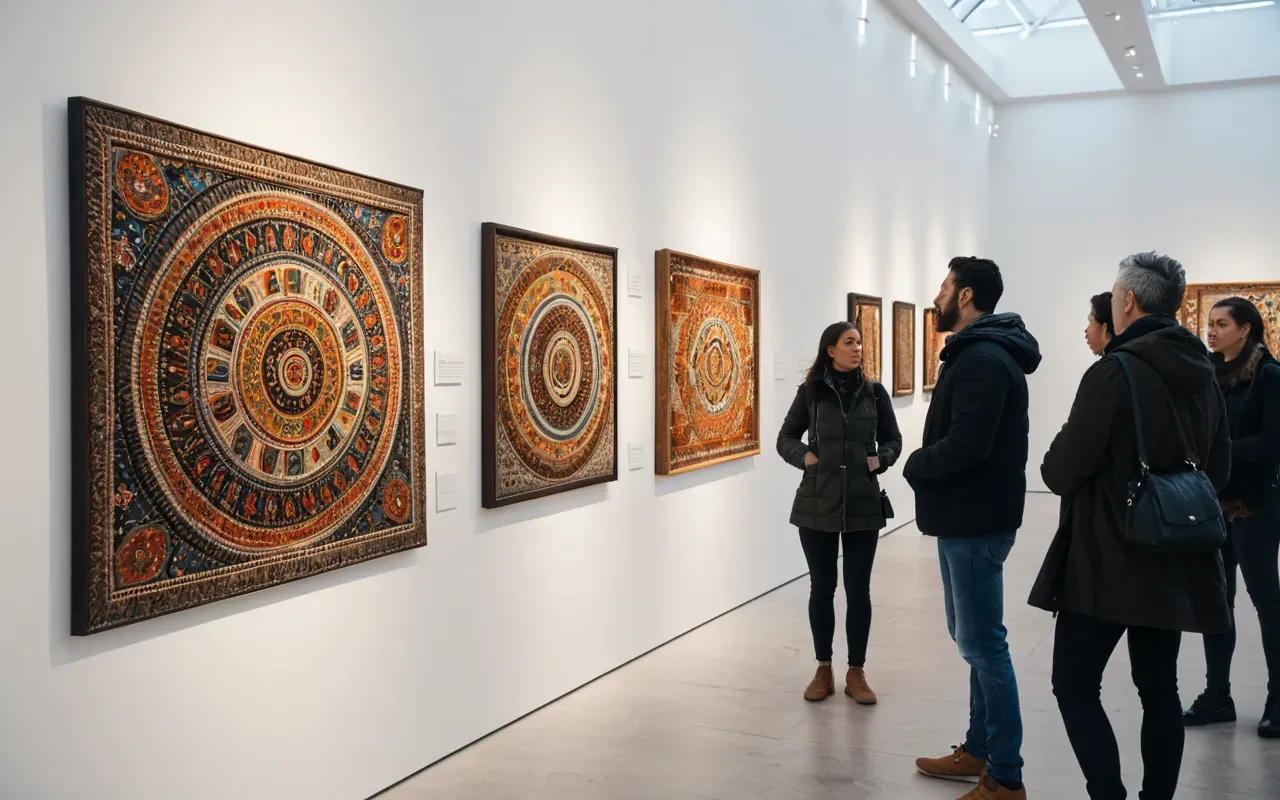
The Risk of Premature Canonization
When an artist dies, their work often gets frozen in time. Curators stop updating the narrative.
Kusama's late works were experimental and sometimes controversial. Death might soften that edge.
We risk turning a living innovator into a static symbol of the past.
The Emotional Weight for Visitors
People who visited her shows while she was alive will return with a different perspective.
The art becomes a memorial. The interaction shifts from appreciation to remembrance.
That's both a gift and a burden for the museum. It adds depth but also solemnity.
Why You Should Care About This Timing Strategy
This isn't just about one artist. It sets a precedent for how museums handle legacy.
Future directors will watch this case. They'll learn that timing is a curatorial tool.
The announcement date became part of the exhibition's story. It's now inseparable from the art.
We're seeing a new era where narrative control matters as much as the objects on display.
If you visit this show in September, remember that the silence before it was part of the design.
The two-week gap wasn't a delay. It was an introduction.