The Quiet Exile of the Damrak
You’ve seen the photos. Crowded canals. Endless selfie sticks. The kind of summer heat that makes the cobblestones feel like a slow oven. Amsterdam is famous for a reason. But lately, something strange has been happening in the city center.
The city is quietly steering tourists away from its most iconic streets. And it's not some grand announcement you’ll hear on the evening news. It’s happening in small policy shifts, zoning changes, and a growing chorus of voices that say, "We’ve had enough."
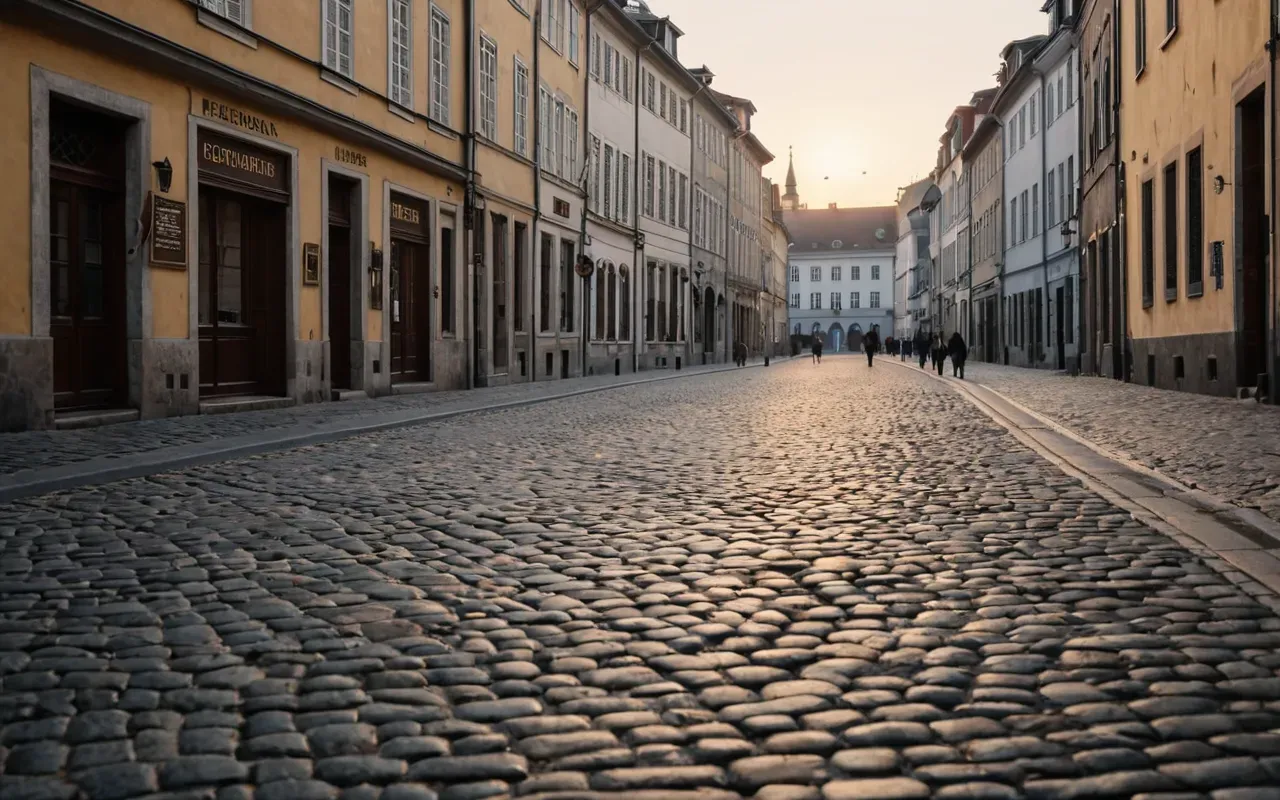
I remember walking down the Damrak last summer. The street used to feel like a living postcard. Now it’s more like a high-speed transit corridor for cruise passengers. And the city doesn’t want that anymore.
Why the Center Is No Longer the Goal
Here's the thing. Amsterdam is not anti-tourist. The city still wants visitors. But the way they're being funneled into the center has become unsustainable. The infrastructure is cracking under the weight of daily foot traffic.
Local shops are being priced out. Rent in the center has tripled in the last decade. Longtime residents are moving to neighborhoods like Nieuw-West or even leaving the city altogether. And the city council knows it.
So they’re changing the game. Not with walls or bans. But with gentle redirection. New walking routes. Signage that points toward lesser-known districts. Even tax incentives for hotels outside the historic core.
And honestly, it’s working. Visitor numbers in the center have dipped slightly over the past two years. Meanwhile, neighborhoods like Oost and Noord are seeing a quiet boom in cafes, boutique hotels, and cultural spaces.
Who Wins and Who Loses in This Shift
Let’s be clear. This isn’t just about comfort. It’s about control. The city is reclaiming its streets from the relentless churn of day-trippers. And that means some businesses are thriving, while others are struggling to adapt.
Small cafes near Museumplein used to survive on cruise ship crowds. Now they’re reinventing themselves as local hangouts. Some have closed. Others have pivoted to offering curated experiences for longer-stay visitors.
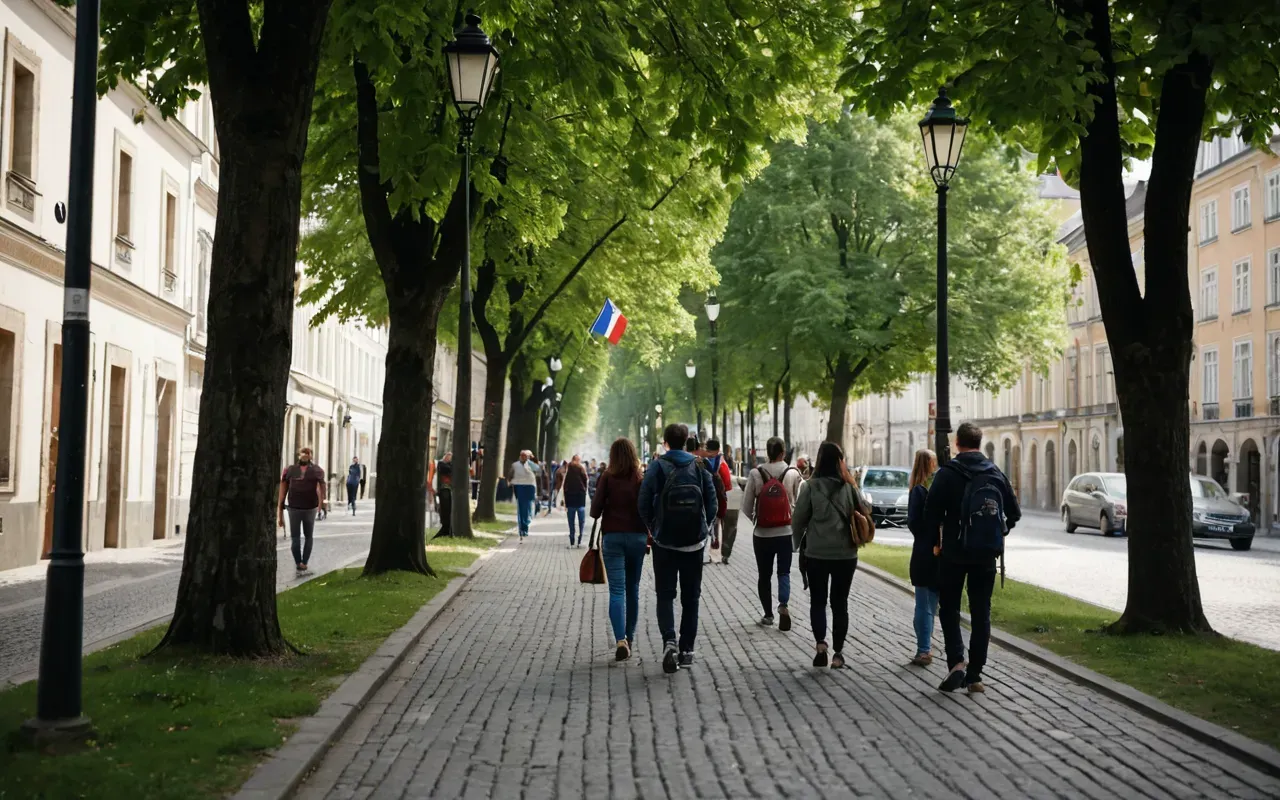
And what about the tourists? Honestly, many are better off. They’re seeing neighborhoods that feel alive, not staged. They’re staying longer. Spending more. And actually connecting with the city instead of just passing through it.
The Bigger Picture of Urban Tourism
Amsterdam isn’t alone. Barcelona, Venice, and even Prague are wrestling with the same problem. But what makes Amsterdam’s approach unique is its subtlety. There are no tourist taxes that make headlines. No outright bans.
Instead, the city is using design, policy, and culture to reshape visitor behavior. And it’s a model that other cities are watching closely. Because if Amsterdam can pull it off, so can they.
So next time you’re planning a trip, think beyond the canals. The real Amsterdam is waiting just a few neighborhoods over. And trust me, it’s worth the detour.
The Future of City Tourism Starts Now
This isn’t just a local issue. It’s a global reckoning. Cities are waking up to the fact that tourism can’t be managed the same way it was ten years ago. Visitors expect more. Locals demand more. And the balance is shifting.
Amsterdam is leading the way. Not with noise, but with quiet strategy. And if other cities want to survive their own success, they’ll have to follow suit.
Because the real story here isn’t about pushing tourists out. It’s about welcoming them in a smarter way. And honestly, that’s a story worth sharing.