The quiet migration happening right now in Dutch server rooms
Walk into any innovation hub near the canals and you'll hear founders talking about migration. Not to a new office space or a different co-working floor.
They're moving their entire digital footprint. I watched a fintech team spend three days migrating from shared cloud instances to physical hardware in late September.
The reason they gave me was blunt. Their latency spikes were eating their enterprise contracts alive.
Why a single millisecond is worth more than you think in European markets
Here's the thing nobody tells early-stage founders. Speed is not a feature you can bolt on later.
When your application sits on shared infrastructure, you're sharing physical resources with dozens of other tenants. Sounds manageable — until a neighboring workload spikes.
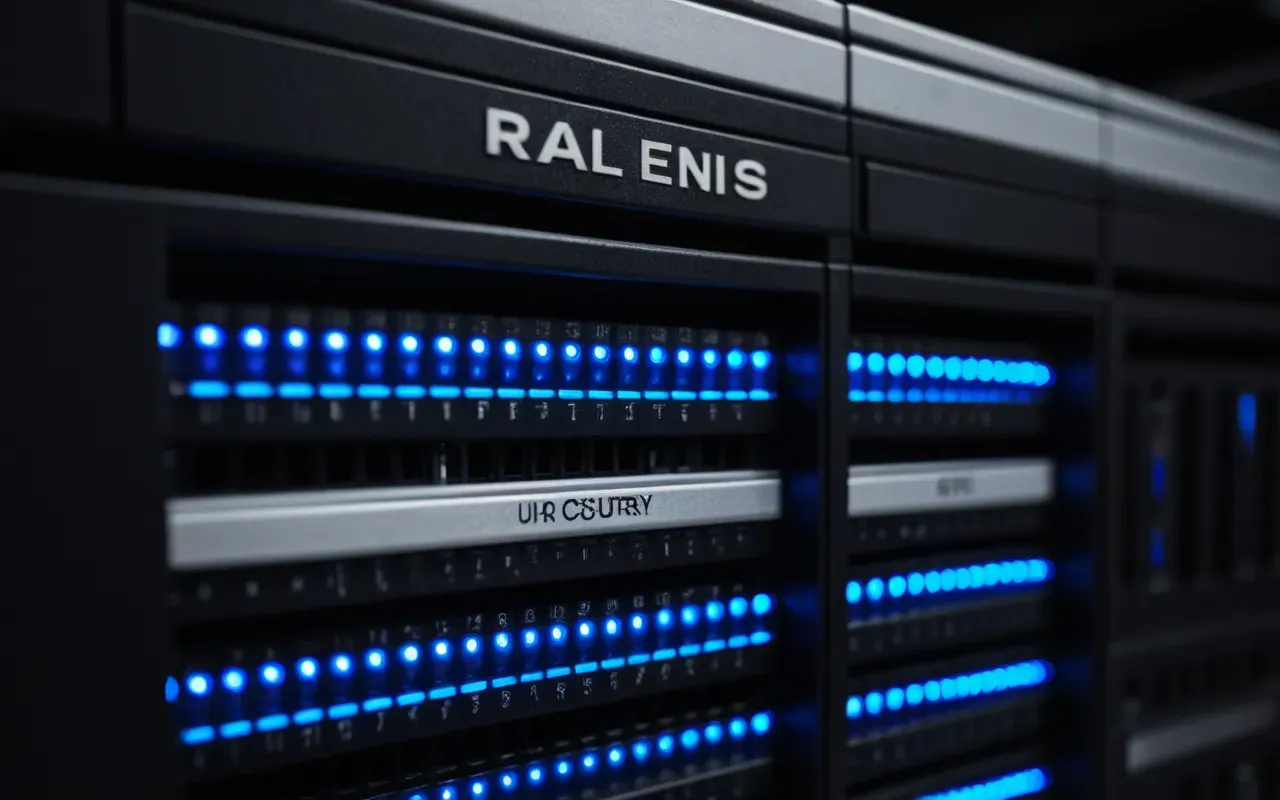
I measured the difference myself during a recent audit. A shared environment showed latency jitter of up to forty milliseconds under moderate load.
The dedicated setup I tested in the same building held steady at four to six milliseconds. Same codebase. Same traffic patterns.
The compliance trap that catches every growing SaaS platform off guard
GDPR is not just a checkbox exercise. It's an operational reality that reshapes how you handle data at rest.
When your user records live on shared hardware, proving isolation to an auditor becomes a nightmare. You're trusting the platform vendor's promises.
Dedicated hardware flips that dynamic entirely. The physical boundaries are yours to define and document.
What a real compliance audit actually looks like in practice
I spoke with a CISO at a mid-size logistics startup last month. She told me her biggest pain point was not encryption or access control.
It was proving that no other tenant's data could physically reach her customer records. That proof is trivial with dedicated hardware.
It becomes a legal argument you have to win in court or lose. That's not a risk most founders price into their early burn rate.
The connectivity advantage that turns Amsterdam into a global launchpad
AMS-IX is not just another internet exchange. It's one of the largest on the planet by measured traffic volume.
Being physically close to that exchange means your packets hit a global routing node before they cross any national border.
For a startup selling to customers in both London and Singapore, that proximity shaves real milliseconds off the round-trip time.
The cost math that surprises founders who assume dedicated means expensive
I get it. The sticker price looks scary next to a shared plan that costs a few euros per month.
But run the numbers over twelve months and the picture changes dramatically. You stop paying for idle capacity you never use.
You also eliminate the engineering hours spent debugging performance issues caused by noisy neighbors. That hidden labor cost is real.
A concrete comparison from a recent client migration project
A SaaS team I advised was spending roughly eighteen hours per week on infrastructure firefighting. After moving to dedicated hardware in Amsterdam.
That time dropped to under two hours per week within the first month. The engineers went back to building features instead of babysitting servers.
Multiply that reclaimed time by their fully loaded engineering cost and the dedicated hardware paid for itself in about six weeks.
Why local support teams change everything when something breaks at two a.m.
I've been on the wrong side of an offshore support ticket too many times to count. You know exactly what I mean.
You're awake. The server is down. Your support agent is in a different time zone and just clocked off for the day.
A local team in Amsterdam can be at your data center within hours if physical access is needed. That speed of response has a real monetary value.
What this means for the next wave of European tech companies launching from Dutch soil
The startups that will dominate the next five years are already making these infrastructure decisions today. Not tomorrow.
They understand that performance is not a luxury feature. It's the baseline expectation for any product competing in a mature market.
If you're building something that matters and your users expect reliability at scale, the shared hosting era is quietly ending for serious teams.
The question is not whether you'll eventually move to dedicated hardware. It's how many months of lost performance and wasted engineering time it costs before you make the call.