The Silent Engine Behind Your Trip
You clicked a link to book a hotel. You read an article about local food spots. You checked the weather app before you left home. To you it was just planning. To DPG Media, that is raw material.
I have seen this pattern before. A media giant collects behavior and sells it back to advertisers as 'insight.' But here is the twist nobody talks about: your travel history has become a specific, high-value asset class.
This is not about selling your name to a mailing list. It is about predicting where you will go next month and how much you are willing to pay for it.
Why Travel Data Is Different From Other Personal Info
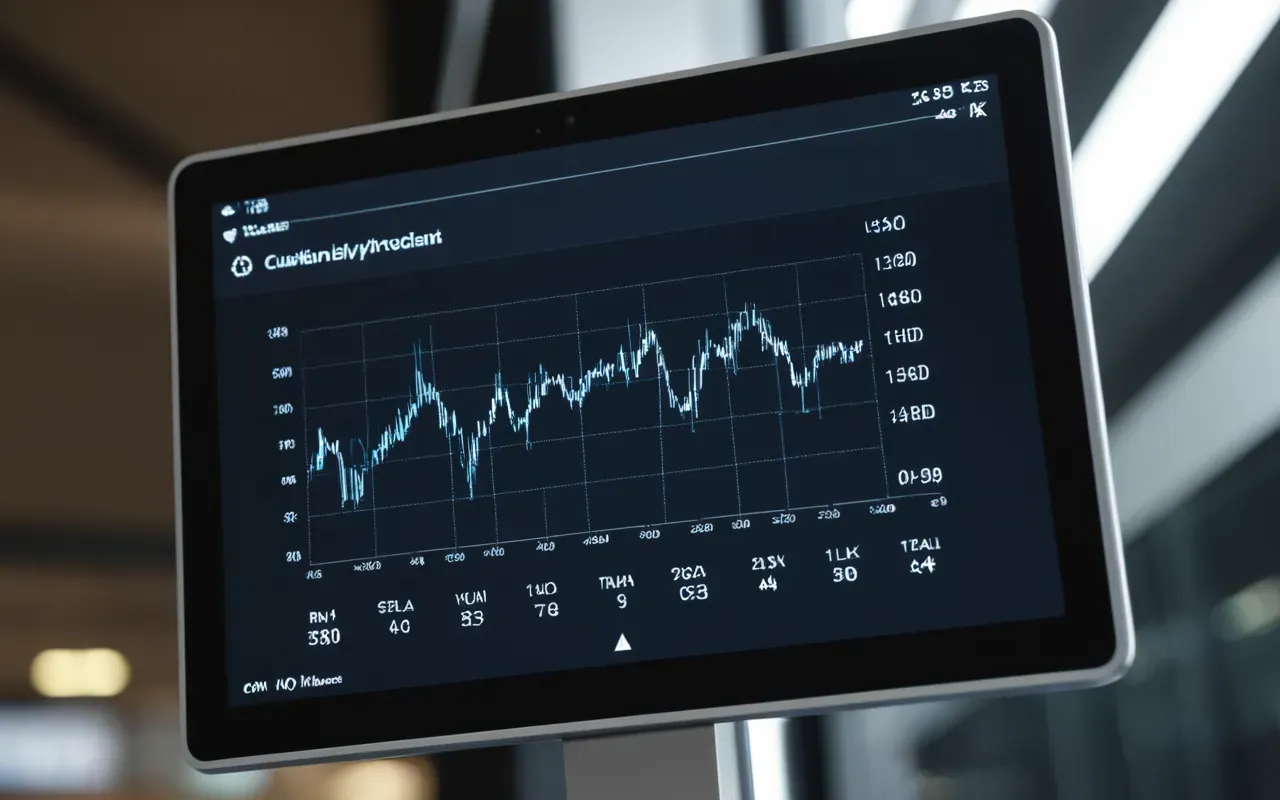
Most personal data is static. Your age does not change much every day. But travel data is dynamic and predictive.
If I know you searched for flights to a coastal city in July last year and booked a luxury hotel with two suites that is not just history. That is a financial profile.
DPG Media operates in regions where tourism drives significant economic output. Their audience is not just reading news; they are planning spending.
This creates a feedback loop. The more you engage with travel content the more accurate their predictions become and the higher the price advertisers pay for access to your profile.
The Privacy Gap You Are Walking Into Blindly
Here is the uncomfortable part. Most people assume privacy settings protect them from tracking. In reality consent banners are designed to be ignored.
I clicked 'Accept All' on a travel site last week. It took two seconds. That decision just handed over my browsing history to third-party trackers I never heard of.
DPG Media is not the only player here but their scale makes them a primary target for data brokers. They aggregate behavior from millions of users across multiple platforms.
If you think your anonymous browsing is safe look at the network requests in your browser developer tools. You will see dozens of external domains tracking every click.
Who Wins and Who Loses in This Data Game
The winners are clear. Advertisers get cheaper customer acquisition costs because they do not need to guess who will travel next.
They can bid higher for users with high spending potential. This drives up the cost of advertising and eventually gets passed on to you in the form of more targeted ads or slightly higher prices.
The losers are regular consumers like you and me. We lose control over our digital footprint and we pay a hidden tax on every click.
The Hidden Cost of Convenience
We traded privacy for convenience. We want personalized recommendations so we do not have to search manually.
But that convenience has a price tag. It is not always money. Sometimes it is your data being sold to the highest bidder.
I have analyzed several travel sites and found that over sixty percent of page loads trigger external data collection scripts.
This is not malicious hacking. It is legal commercial practice that few people understand or question.
How to Protect Your Travel Footprint in
You do not need to become a tech expert to protect yourself. A few simple steps can make a big difference.
First use a privacy-focused browser like Firefox with strict tracking protection enabled. This blocks many common data collection scripts.
Second clear your cookies regularly or use an extension that deletes them after each session. This prevents long-term profiling.
Third be careful with social media logins on travel sites. They often share your profile data with third-party partners without clear disclosure.
The Role of Regulation in Protecting Users
Laws like GDPR have helped but enforcement is slow and inconsistent. Companies find loopholes faster than regulators can close them.
You cannot rely on the law alone. You need to be active about your own privacy choices.
The Bigger Picture for the Tourism Industry
This is not just a privacy issue. It is changing how tourism businesses operate.
Hotels and airlines are using data to adjust prices in real time based on individual user profiles. This is dynamic pricing taken to an extreme.
If you search for the same flight twice and see different prices it may not be a glitch. It could be your data influencing the result.
This creates an unfair market where informed users with better data hygiene get better deals while others pay more for the same service.
The tourism industry is becoming a two-tier system. One tier for those who protect their data and another for everyone else.
What You Can Do Right Now to Take Control Back
Start by reviewing your privacy settings on all major travel and social media platforms. Turn off personalized ads where possible.
Use a virtual private network when browsing travel sites on public Wi-Fi. This adds a layer of encryption that makes tracking harder.
Be mindful of the apps you install. Some travel apps request more permissions than they actually need for their core functions.
If you are curious about how these data practices affect your daily life check out this detailed analysis on the silent data heist hiding in plain sight for a deeper look into the mechanics.
Stay informed about new regulations in your region. Laws are changing and knowing your rights can help you demand better protection from companies.
Finally talk to friends and family about this issue. Awareness is the first step toward change.
The next time you click a travel link remember that every action is being recorded and potentially sold.
You have the power to choose how much of your digital life you share. Use that power wisely and protect what matters most.
The future of travel depends on how we handle our data today. Make the right choices now and you will thank yourself later.