Best Places to Visit in Amsterdam: Top 10 Sights
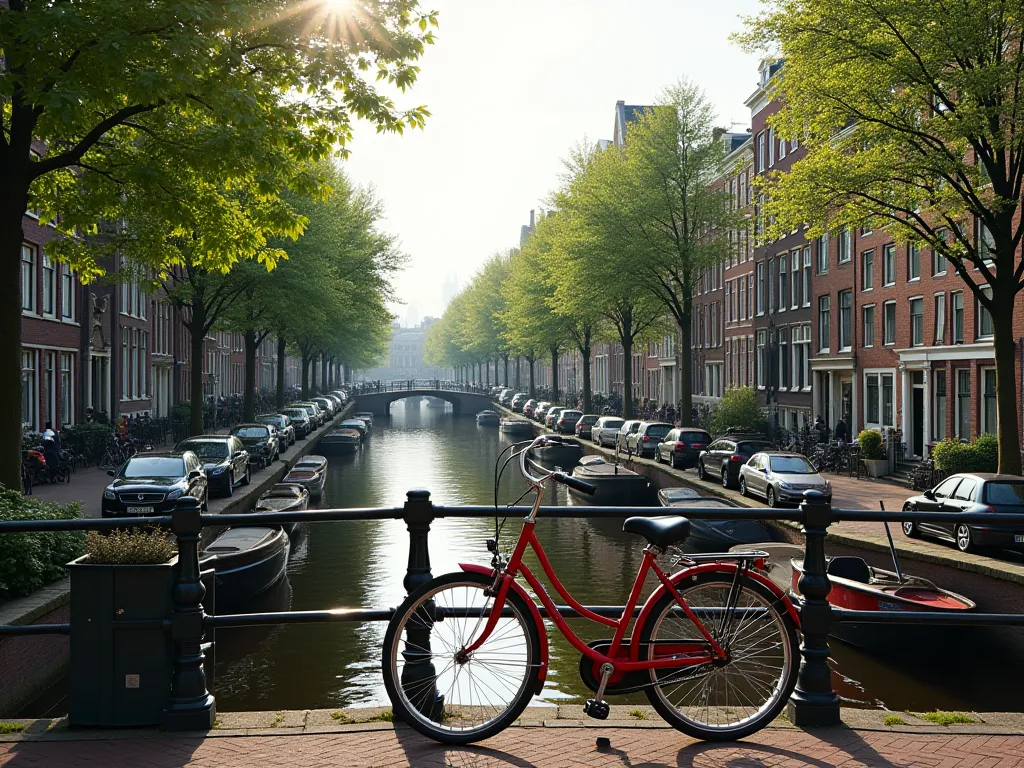
Amsterdam’s most essential sights blend architectural beauty with profound historical narrative, starting with the Anne Frank House and the Royal Palace. These two landmarks anchor a visit by offering contrasting perspectives on Dutch identity: one reflects resilience during wartime occupation, while the other displays civic pride through centuries of governance.
The Secret Annexe
Located on Prinsengracht, this site documents the final years of Anne Frank’s life. She hid for over two years with her family and friends in a dark, airless “Secret Annexe” behind a warehouse. The space remains largely untouched, allowing visitors to visualize the cramped conditions that defined their existence during Nazi Germany's invasion of the Netherlands in May 1940.
The occupation lasted until 1945, a period that fundamentally shaped the city’s collective memory. Viewing the preserved rooms provides specific context for understanding why this location remains central to Amsterdam’s historical identity beyond mere tourism.
The Royal Palace
Across the city, the Royal Palace on Dam Square offers insight into Dutch state history. It functions as a museum when not in active use by the royal family, displaying ceremonial armor and portraits that trace the lineage of the Orange dynasty.
This site contrasts with the intimate scale of the Anne Frank House by showcasing public power. Together, these landmarks provide a complete picture of Amsterdam’s past, moving from private survival to national authority without requiring extensive travel between them.
Art & Culture: Rijksmuseum & Van Gogh Museum
Museumplein functions as the cultural heart of the city, grouping several world-class galleries within a short walking distance. This layout allows visitors to spend an entire afternoon moving between institutions without needing transport or long commutes. The concentration of art here creates a seamless flow from one major collection to another.
The Rijksmuseum anchors this district with its grand architecture and national holdings. The building opened to the public in 1885, establishing itself as a central repository for Dutch history and artistic achievement. Its most famous piece, Rembrandt’s The Night Watch, remains a focal point that draws attention to the broader scope of seventeenth-century masterpieces housed within.
Just steps away, the Van Gogh Museum offers an intimate look at one artist’s prolific output. The collection provides direct access to works that define modern impressionism and post-impressionism. Walking between these two sites allows for a comparative study of Dutch artistic evolution across centuries.
Lodging near the Nieuw West neighborhood places guests within easy reach of this museum cluster. This proximity simplifies logistics, enabling quick returns to accommodation after long days spent exploring galleries. The area offers a practical base for prioritizing these key cultural stops without sacrificing time on transit.
Green Spaces: Vondelpark & Amsterdamse Bos
Vondelpark
Vondelpark serves as the city’s central lung, offering 116 acres of English-style gardens right in the heart of Amsterdam. The layout features wide lawns and tree-lined paths that break up the density of the surrounding streets. Visitors often use this space for leisurely strolls or to observe local street performers near the Vondelmonument.
The park connects easily with major cultural sites, allowing a seamless transition from gallery visits to outdoor rest. Its central location means minimal transit time is required after exploring nearby museums. This convenience makes it an ideal midday break point during a packed schedule of indoor sightseeing.
Amsterdamse Bos
For those seeking a deeper immersion in nature, Amsterdamse Bos provides extensive rambling woodlands and trails far from the built-up center. The landscape shifts dramatically from manicured urban gardens to wilder, forested terrain that offers genuine quietude. Hikers can explore kilometers of paths winding through dense foliage without encountering heavy tourist foot traffic.
This larger green space requires a longer transit commitment but rewards visitors with a true sense of escape. The trails are suitable for casual walks or more vigorous cycling routes depending on the visitor's energy level. It stands in sharp contrast to the compact city center, providing a necessary counterbalance after days spent navigating narrow canals and crowded plazas.
The shift from urban density to natural openness highlights Amsterdam’s ability to blend history with accessible wilderness. Whether choosing the convenient central park or the distant forest reserve, both options offer distinct atmospheric relief from the city's architectural intensity. Selecting between them depends largely on how much time travelers are willing to allocate for transit versus immersion.
Local Flavor: Albert Cuyp Market & Jordaan
Albert Cuyp Market operates as the city's largest open-air street market, functioning less like a tourist trap and more as a working local hub. Between May and July, vendors serve raw herring wrapped in onion and pickles, creating a distinct seasonal culinary ritual that defines Dutch summer eating habits. Standing at this long stretch of stalls allows visitors to observe daily commerce directly rather than viewing it through glass or menus.
The Jordaan district offers a contrasting pace, where narrow lanes wind past hidden courtyards and medieval churches. This area retains a residential texture that contrasts sharply with the commercial bustle of central canals. Walking these storybook alleyways requires no specific itinerary; instead, it rewards spontaneous discovery of quiet corners away from main tourist paths.
Combining these two locations creates a balanced afternoon routine that moves from active sampling to passive observation. The market provides immediate sensory engagement with local produce and street food traditions, while the Jordaan allows for reflection on architectural details and community life. This pairing ensures travelers experience Amsterdam as both a vibrant marketplace and a living neighborhood.
Unique Experiences: Windmills & Canal Cruises
Amsterdam retains eight historic windmills that anchor the city’s industrial past to its present landscape. One standout is Brouwerij ‘t IJ in the Oostelijke Eilanden neighborhood, where a functioning brewery operates next to De Gooyer, one of these remaining structures. Visiting this site allows travelers to observe how timber and brick engineering supported trade centuries ago while still serving modern community needs. The interior tours reveal intricate gear systems that once ground grain or pumped water, offering a tactile connection to Dutch hydraulic heritage.
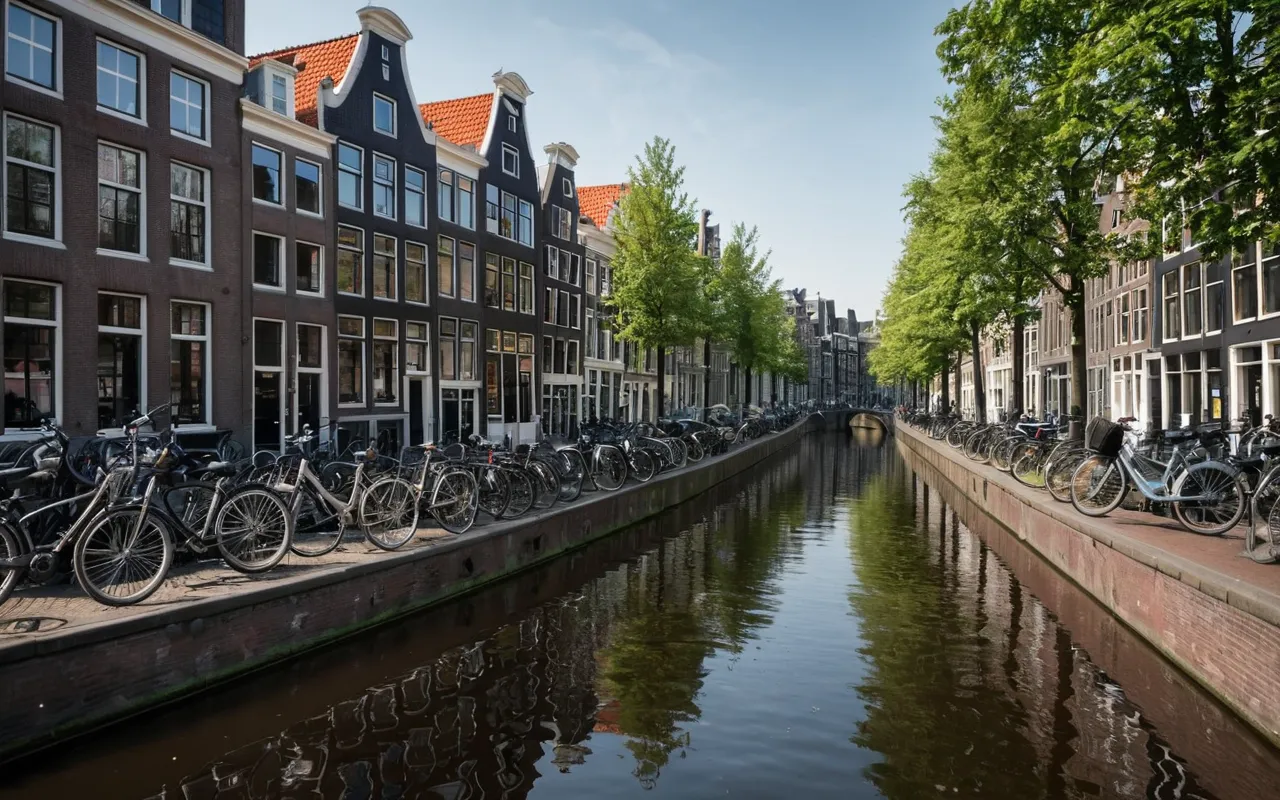
Canal cruises provide a unique vantage point for viewing the city’s architectural density from below eye level. Navigating the narrow waterways highlights how buildings were constructed around canals dug in the 17th century. This perspective reveals structural details, such as wooden piles and stone facades, that are often obscured by street-level crowds or vehicle traffic. Choosing a late afternoon slot maximizes natural light on the canal houses while avoiding midday congestion in popular districts.
Pairing these activities creates a dynamic contrast between static heritage observation and fluid movement through history. The windmill visit grounds the experience in tangible mechanical processes, whereas the cruise emphasizes spatial relationships within the urban grid. Together, they illustrate how Amsterdam’s geography dictated its development patterns from medieval trade hubs to modern tourist destinations.
Frequently Asked Questions
How many days do I need to see the top sights in Amsterdam?
You should allocate at least three full days. This allows time for major museums and parks, plus a day trip to nearby Haarlem or Ouderkerk aan de Amstel.
Is it better to take a canal cruise or explore the canals on foot?
A canal cruise offers the best overview of the city’s layout. Walking provides an intimate perspective, while cruising delivers a broader visual experience.
Which museum is best for first-time visitors: Rijksmuseum or Van Gogh Museum?
The Rijksmuseum is ideal for a comprehensive introduction. Its building opened in 1885 and houses the national collection, while the Van Gogh Museum focuses specifically on his work.
Do I need tickets in advance for all these attractions?
Advance booking is recommended for popular sites like the Anne Frank House. The I amsterdam City Card provides access to over 70 museums and free public transport, simplifying entry logistics.
For the full overview, see tourism in amsterdam.