Amsterdam Council Approves a 16 Percent Tourist Tax and the Fight Over Who It Actually Keeps Out Is Just Starting
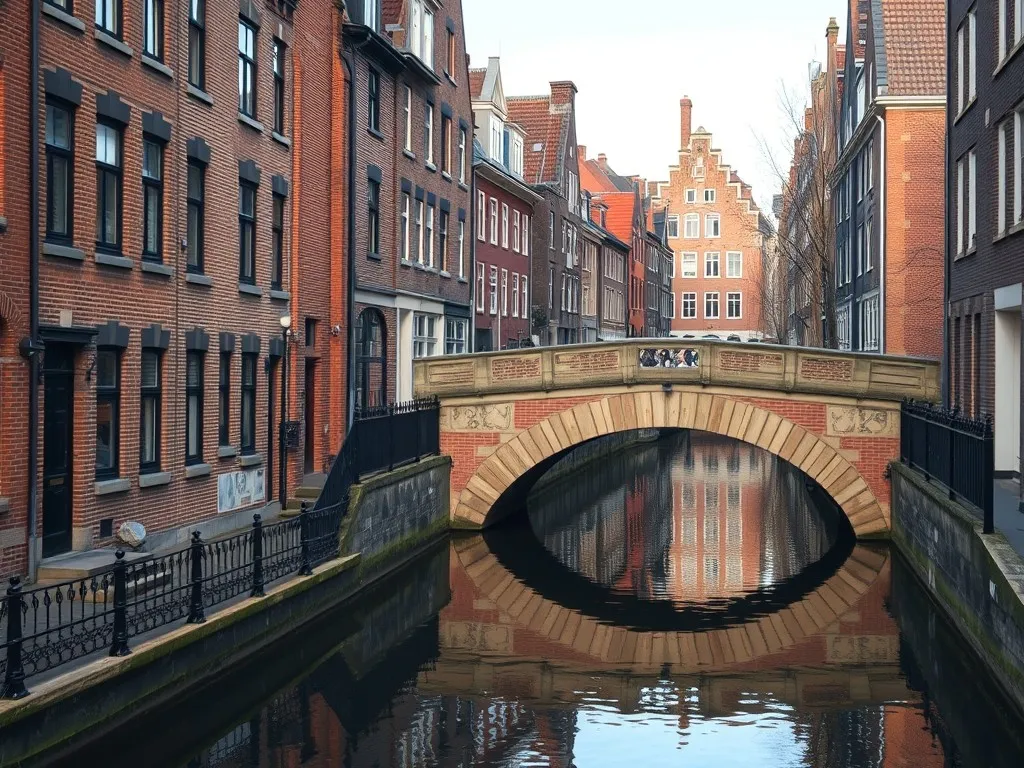
Amsterdam's city council voted late on Thursday afternoon to approve next year's budget, and with it a rise in the tourist tax to 16 percent. The coalition parties PRO and D66, who together hold a majority, backed the financial plan. Every opposition amendment aimed at stopping the increase fell short. From January, the higher rate is locked in.
That number matters more than it looks. The coalition intends to keep pushing the rate up over the coming years, toward 20 percent. So this is not a one-off squeeze on hotel bills. It is the first step of a stated plan, and anyone booking a bed in the city should read it that way.

The tourism sector sent a warning letter and lost anyway
The plan drew sharp criticism from the tourism industry before the vote. In a warning letter, the sector cautioned about consequences for the city's economy. Opposition parties made their resistance clear during the debate too. None of it changed the arithmetic on the council floor.
Here is the angle nobody is talking about. Both sides agree the tax will change who comes. They just disagree about who. The council says research shows a tax helps reduce visitor numbers. The opposition says it reduces the wrong visitors. That is a much stranger debate than a fight over a percentage point.
The hang tourist argument from the VVD
VVD council member Myron von Gerhardt made the case that the increase drives away exactly the wrong people. "Hereby we get more 'hangtoeristen', where residents suffer and who make noise," he said, referring to loitering visitors. His question cuts to the bone of the whole policy: is the rising tourist tax a steering instrument for fewer visitors, or a way to collect more money?
The VVD, CDA and JA21 filed a motion to stop the tourist tax rising further in the coming years. JA21 council member Stef Keij went further, proposing a flat rate of 14,50 euro per person per night instead of a percentage. His reasoning was that a fixed sum hits the business traveller least, and Keij called that group "the most financially capable and least nuisance-causing tourist." Both moves failed.
"Hierdoor krijgen we juist meer 'hangtoeristen', waar bewoners last van hebben"
What the council says it is buying with the money
The college argues the increase is a sound measure to curb the growing number of tourists in the city. During the debate, alderman Melanie van der Horst said research shows a tax helps push visitor numbers down. She also made a fairness case: a tourist should contribute to things like collecting rubbish.
Put those two arguments side by side and you see the tension. One is about volume. The other is about cash. A tax can do both, but it cannot be tuned separately for each, and nobody on the council really resolved which goal wins if they pull apart.
The percentage problem hidden in a flat fee
Keij's flat-rate idea deserves more attention than it got. A percentage rate scales with the room price, so a budget bed and a suite carry very different burdens. A fixed 14,50 euro per night is the same hit for both. If your goal is to thin out crowds without punishing cheap sleep, that difference is the entire ballgame.
The majority chose the percentage anyway, and it will climb. So the practical question for travellers is simple. If you are planning a city break, the cost of your bed is now a moving target rather than a fixed line on a booking page. For a sense of how much of your budget already goes to things you never planned for, this piece on the most expensive part of an Amsterdam city break is worth a read before you book.
Who wins and who pays from January
Winners, at least on paper: the city's budget, which gains a new revenue stream tied to visitor volume, and residents who were promised a contribution toward waste collection. Losers, at least on paper: hotels and short-stay operators who must explain a bigger bill at checkout, and the tourism sector that warned publicly and was ignored.
But the group that ends up paying most may not be the one shouting loudest. A percentage tax quietly rewards the cheapest beds and penalises the priciest ones, which is the opposite of what the flat-fee camp wanted. Whether that thins the crowds or just reshuffles them is the experiment the city has now committed to running.
Watch the next budget round. The coalition has already signalled 20 percent, and the industry has already shown it will fight. The gap between those two facts is where the real story of Amsterdam's visitor economy sits for the next few years.
Source: nhnieuws.nl