The Transformation of City Tours in Modern Tourism
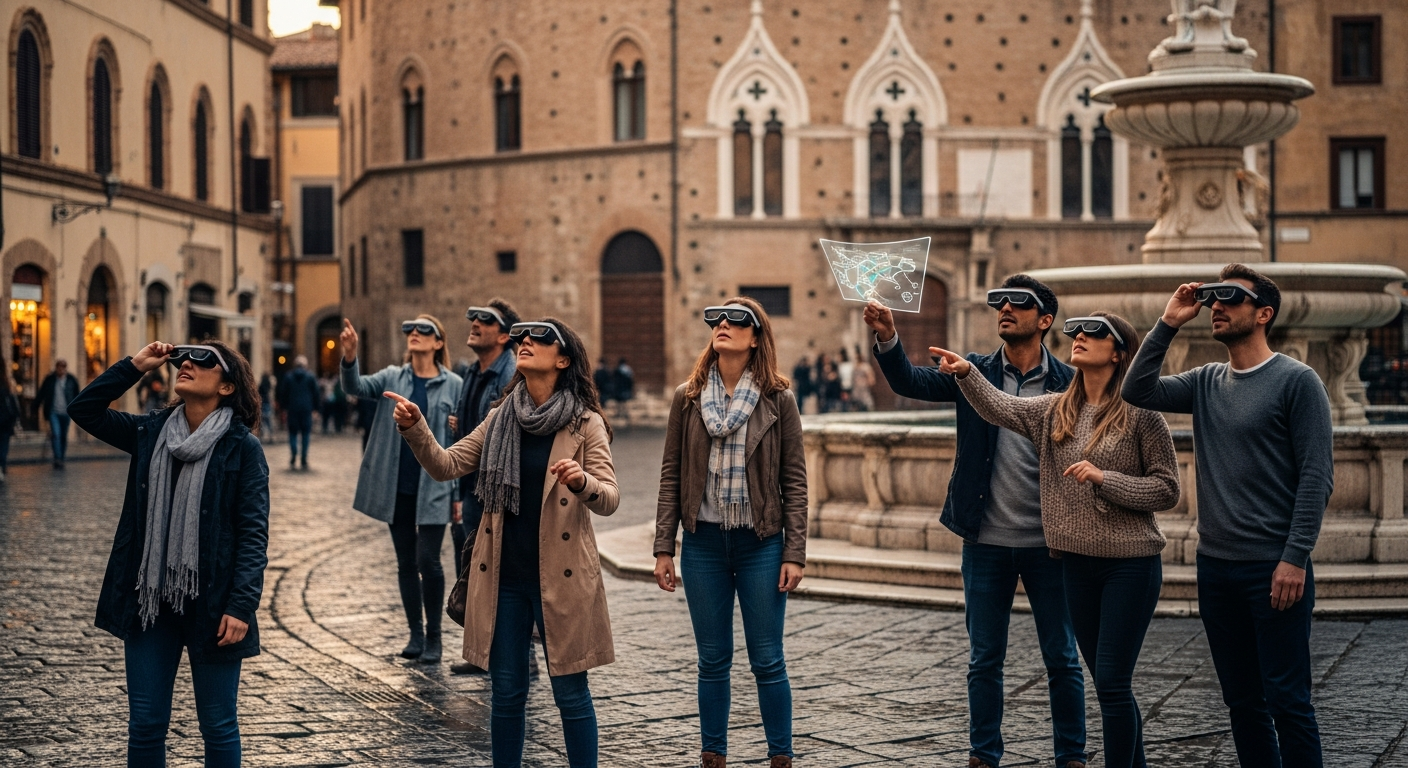
Over the past decade, city tours have undergone a remarkable transformation, evolving from traditional sightseeing methods into dynamic, immersive experiences that connect tourists with the true essence of urban life. Gone are the days when visitors merely followed a set itinerary to popular landmarks; today’s travelers seek deeper engagement, authenticity, and personalization. This shift is driven by technological advancements, changing traveler preferences, and a growing desire for meaningful cultural exchanges. Modern city tours incorporate innovations such as augmented reality, thematic routes, and interactive storytelling, all designed to offer a unique perspective of the city’s historical layers, local customs, and hidden gems. For instance, many cities now provide app-guided walking tours that allow travelers to explore at their own pace while accessing rich multimedia content. Such tools empower tourists to craft their own narratives, making each journey distinctive and memorable. This trend underscores an increasing need for tourism operators to adapt, focusing on authenticity, sustainability, and technological integration, thus elevating the overall urban exploration experience.
Cultural Engagement and Personalized Urban Exploration
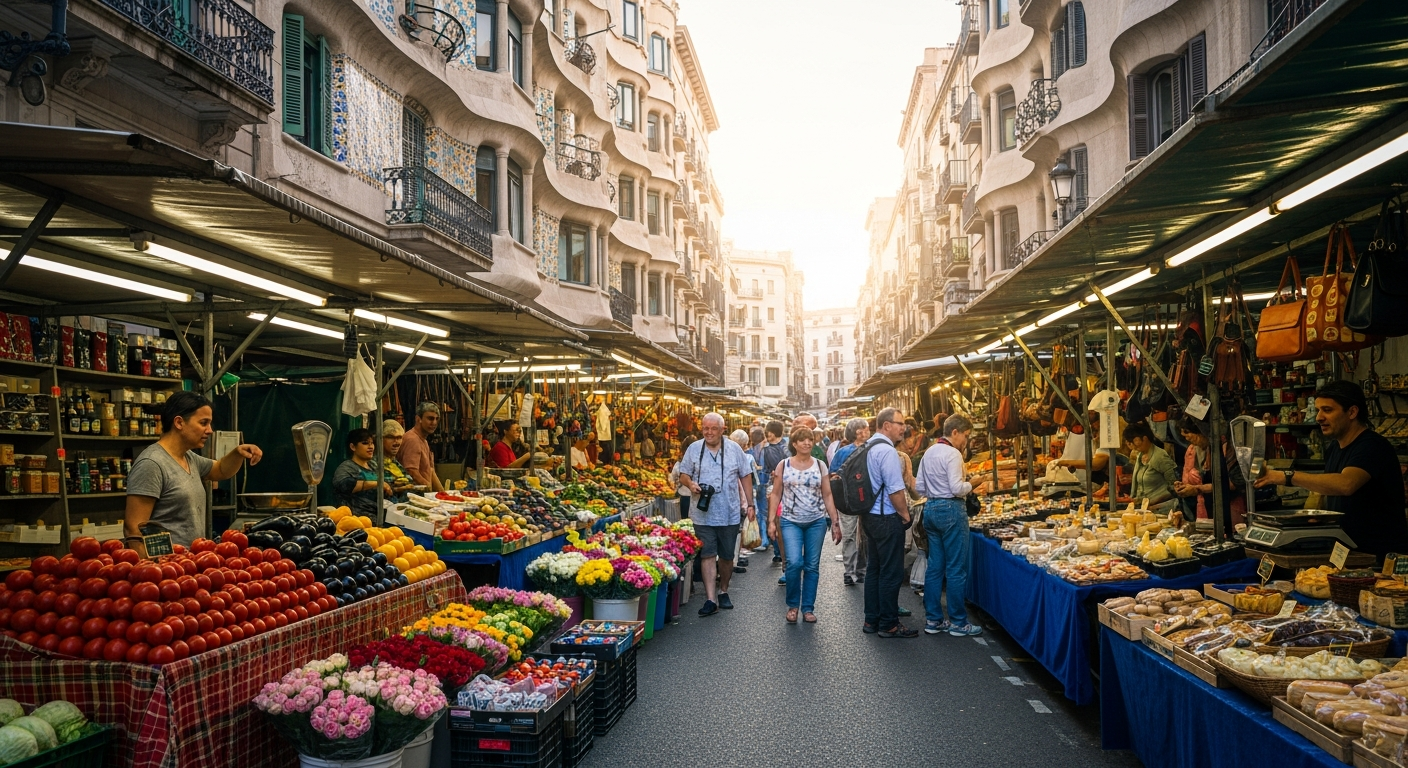
At the core of innovative city tours lies a commitment to authentic cultural engagement. Travelers no longer want generic sightseeing—they crave personalized experiences that showcase the city’s unique character. Tour providers are increasingly designing routes that highlight local art, cuisine, festivals, and traditions, allowing visitors to step beyond conventional attractions and immerse themselves in community life. For example, culinary-focused tours in cities like Tokyo or Marrakech enable tourists to participate in traditional cooking classes or visit vibrant markets, providing hands-on cultural exchanges. Such tailored experiences foster a deeper understanding of local customs, history, and social dynamics, making travel more meaningful. Additionally, technology plays a crucial role by offering virtual tours or interactive guides that adapt in real-time to individual interests, ensuring a bespoke journey for each traveler. This shift towards personalized urban exploration not only enriches the visitor experience but also supports local economies by promoting niche and small-scale businesses, thus fostering sustainable tourism development.

The Economic and Social Impact of Urban Tour Innovation
Innovative city tours are not only reshaping how tourists experience urban environments but also playing a significant role in local economic development and social interaction. As cities adapt to modern tourism demands, they see a boost in revenue streams from diverse sources—urban transportation, local artisan crafts, boutique hotels, and independent guides—thus creating jobs and supporting small businesses. This economic ripple effect encourages cities to invest in infrastructure and cultural preservation, fostering sustainable growth. Moreover, immersive city tours promote social cohesion by fostering interactions between tourists and residents, bridging cultural divides, and encouraging mutual understanding. These experiences often include community-led initiatives, neighborhood projects, and cultural festivals that generate a sense of pride and collective identity among local populations. As tourism evolves, cities around the world are increasingly recognizing that innovative, responsible tourism not only benefits their economies but also enhances the social fabric, making urban environments more inclusive, vibrant, and resilient.