
The moment the street met the stadium
Breakdance is officially Olympic. That fact alone should make your head spin a little. For decades, this art form lived in basements, on dusty dance floors, and under bridges where the concrete was cold enough to bite. Now it has a place inside the grandest sporting stage on Earth.
But here is what nobody talks about enough. The transition from street to stadium was not a smooth glide. It was a violent collision of worlds. Purists feared commercialization would strangle the soul. Corporations saw a fresh brand opportunity for Gen Z. And somewhere in between, two Dutch athletes are rewriting the script.
I have watched enough dance battles to know when authenticity is at stake. The Amsterdam Breaking Championships are not just a contest of moves. They are a pressure test for the entire culture. Will it survive its own success? That is the real question hiding behind the flashy lights.
Why this changes more than just sports
When the International Olympic Committee added breaking to the Paris 2024 lineup, they did not just add a sport. They validated a subculture that had been fighting for respect since the early eighties in Brooklyn and Marseille.
Look at the numbers. The global breakdancing community is estimated to have over one million active practitioners across more than forty countries. It is not a niche hobby anymore. It is a massive, fragmented ecosystem of crews, battles, and online influencers.
Amsterdam positioned itself as the Urban Sport Capital for a reason. The city understood that if you want to host the future of sport, you have to embrace its weirdest edges first.
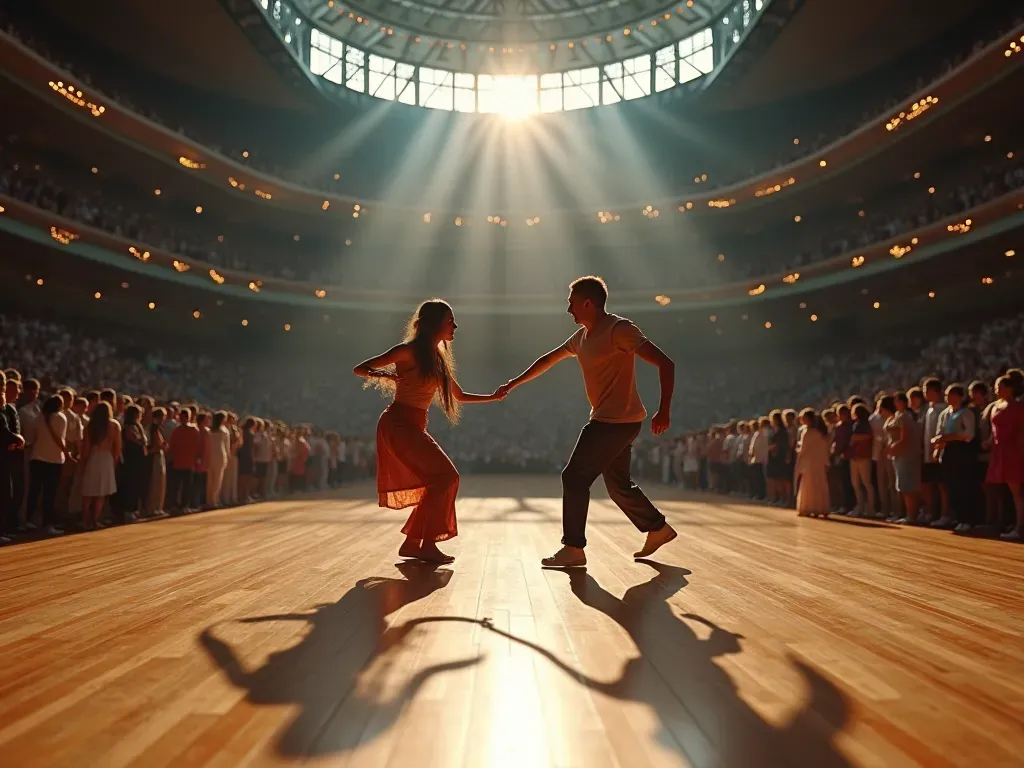
The champion who refused to quit
Menno van Gorp is not just a name on a bracket sheet. He is the living proof that this dance form can produce world-class athletes who defy age and injury.
When he won the World Championship in Hungary, the internet erupted. Videos of his power moves clipped millions of views overnight. But behind that viral moment was years of training in small studios where the equipment often broke.
He came from Rotterdam, a city with its own gritty dance scene. That origin story matters because it shows breaking is not just an Amsterdam export anymore. It is a national movement.
What his legacy means for the next generation
Young dancers now see Menno not as a distant icon but as an accessible role model. He competes on the same stages where teenagers are breaking for their first time.
This accessibility is dangerous in the best way. It lowers the barrier to entry but raises the ceiling of expectation. If a thirty-year-old can win gold, what does that say about an eighteen-year-old with no limits?
The teenager who skipped the waiting list
Then there is India Sardjoe. She was seventeen when she qualified for the Olympics. Seventeen. In most professional sports, that age is still considered a rookie status.
Her qualification was not just about skill. It represented a generational shift in how breaking is perceived. For her, the Olympics are not a distant dream or a historical milestone. They are simply the next step.
I remember reading interviews where she spoke about discipline with a maturity that felt almost unsettling. She treats her body like a precision instrument.

The pressure of being a prodigy at seventeen
There is a specific loneliness to being the youngest qualifier. The older dancers are building careers around her while she is still figuring out who she wants to be outside of dance.
Sponsors are circling. Media attention is intense. But the community she grew up in understands that fame can be a cage if you do not have the right support system.
This is where the Amsterdam Breaking Championships become more than just a local event. They are a safe harbor for these young talents to compete without the global media glare.
The corporate machine behind the curtain
Let us be honest. Breakdance did not become Olympic by accident. It happened because brands saw value in it.
Companies like Samsung and Odido are now deeply embedded in the ecosystem. They fund the venues. They sponsor the dancers. They control the narrative.
Does this corrupt the art? Some purists would say yes. They argue that breaking was born from resistance and poverty, not marketing budgets.
Who wins when money enters the dance floor
The dancers win. They get paid more than they ever have before. They travel for free. They eat well.
But the culture loses its edge. When every battle is sponsored and broadcasted to millions of viewers online, does it still feel raw? Does it still feel like a fight?
This is the paradox of modern urban sports. We need the money to survive, but we lose our soul if we let it drive too hard.

The community that built this movement
Behind every headline is a network of teachers, parents, and friends who keep the flame alive. They are the invisible infrastructure of breaking.
In Amsterdam, organizations like Dutch B-Boy and New Dance have worked for years to formalize the scene without killing its spirit.
They organize workshops. They judge battles fairly. They ensure that the next generation has a safe space to learn.
Why local events matter more than global ones
The Olympics are a once-in-a-lifetime spectacle. But local championships happen every weekend.
That is where the culture breathes. That is where a teenager learns how to handle loss and victory with dignity.
If you want to understand the future of dance, do not look at Paris. Look at a small hall in Amsterdam on a Saturday afternoon.
What this means for your city's identity
Cities are no longer just backdrops. They are active participants in the cultural economy.
Amsterdam is betting that its reputation for tolerance and creativity can be monetized through urban sports.
If this works, other cities will follow. If it fails, we may see a backlash against the commercialization of street culture.
The economic ripple effect on local businesses
Hotels fill up. Restaurants see a surge in customers. Local shops sell more streetwear.
This is not just about sports anymore. It is a full economic engine driven by passion and performance.
For the residents, this can mean higher rents and crowded public spaces. The benefits are real but so are the costs.
The final verdict on the Olympic dream
So where does this leave us? With a sport that is ready for the world stage but still searching for its true identity.
Menno van Gorp and India Sardjoe are the bridge between the old world of street battles and the new world of televised spectacle.
They are proving that you can be commercial without being corporate. You can be famous without forgetting where you came from.
The Amsterdam Breaking Championships are just the beginning. The real story is how this movement continues to evolve in a world that wants it to be static.
I believe the future of breaking is brighter than its past. But only if we keep listening to the dancers who started it all.
Why you should pay attention now
This is not just a story for dance fans. It is a lesson in how culture adapts to survive.
If you have ever felt like your passion was too niche to matter, look at breaking. It went from underground to Olympic in less than two decades.
The key is consistency. The key is community. And the key is never letting go of your roots.
As the world watches Paris next year, remember that this story started in small rooms with big dreams.
The breakdancers are ready. The question is whether the rest of us will be open enough to see what they have been doing all along.


Comments ()