The Hidden Cost of Staying Central During Amsterdam Summer Season
I watched a family check into a canal-side hotel in August last year. They paid €420 for one night. I had booked my place three kilometers away for €95. The gap is not just about money. It is about how you actually experience the city when everyone else is crammed into the same four square kilometers.
Most guides tell you to stay close to the action. But during Amsterdamse Zomer, that advice quietly inverts. The center becomes a logistics hub for day-trippers rather than a basecamp for residents. You spend more time dodging tour groups and less time soaking up the actual vibe.
Here is the thing nobody tells you. The premium you pay for a view of the canals buys you silence that does not exist in July and August. You get a room with thick walls, yes. But outside those walls, the street noise from trams, tour buses, and evening crowds creates a constant low-frequency hum that erodes sleep quality.
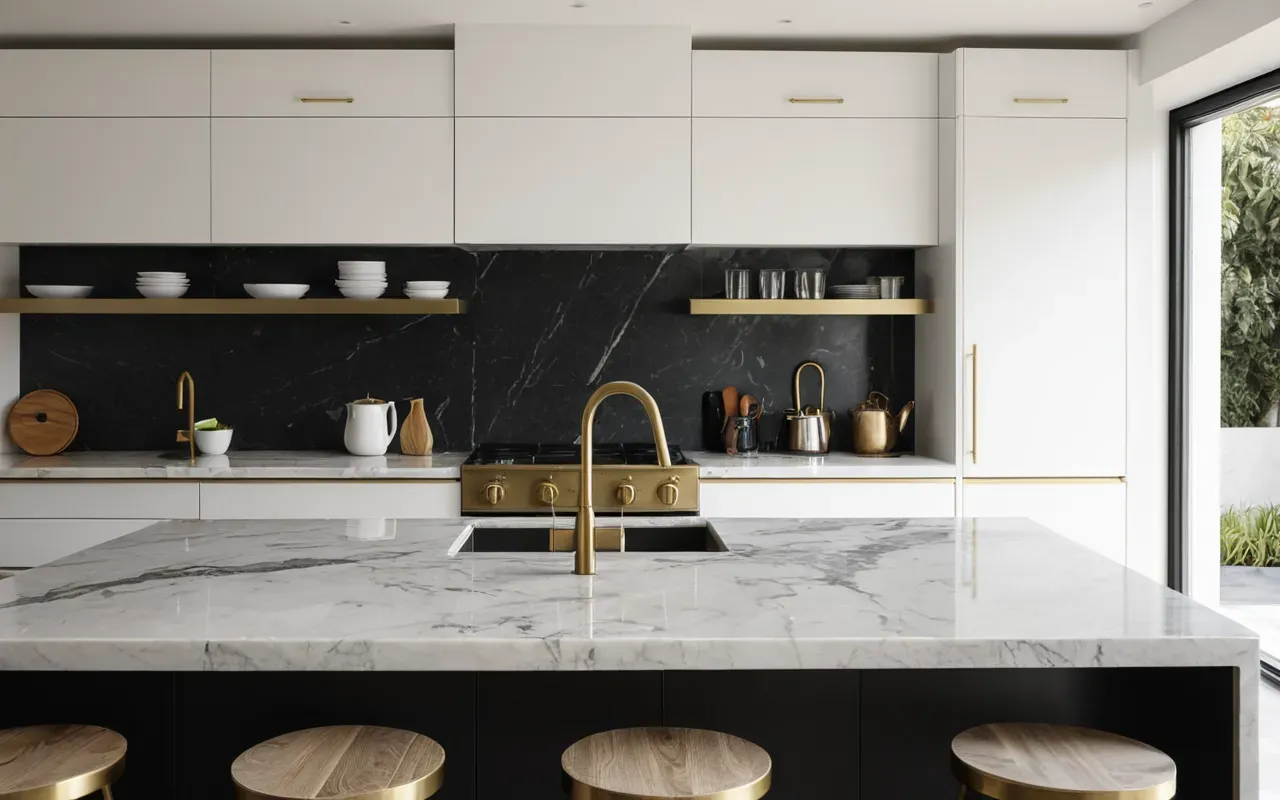
I have stayed in both extremes over the last five years. The central hotel felt like a capsule. Functional. Expensive. Isolated from the real rhythm of the neighborhood despite being physically inside it. My suburban apartment, by contrast, gave me space to breathe, cook, and sit on a balcony that actually faced away from traffic.
Why the Center Becomes a Maze in Peak Season
Walking from Central Station to the Dam is five minutes. Easy. But trying to navigate the side streets with a suitcase in hand changes that calculation completely. The narrow lanes designed for bicycles and pedestrians become bottlenecks when hundreds of travelers are moving simultaneously.
If you have ever tried to cross a bridge that is also being used by cyclists and tourists taking photos simultaneously, you know the frustration. It turns a simple walk into an obstacle course. This happens constantly during peak summer months when foot traffic triples.
This is why your accommodation choice matters so much. Staying in the suburbs means you start each morning with a clear head and no immediate pressure to push through crowds. You take one tram, which takes 15 minutes, and arrive at the city center relaxed rather than exhausted.
I timed my morning routines in both locations. Central hotel: 45 minutes to get ready and reach the first attraction due to queueing for elevators and navigating crowded streets. Suburban apartment: 30 minutes total including a leisurely coffee stop because there was no rush.
The Math Behind the Price Difference
Let us look at real numbers. A three-night stay in a central boutique hotel averages €1,200 per person for two people sharing. That same budget gets you seven nights in a well-located apartment just outside the center. You gain four extra days of flexibility and save enough to cover all your meals.
Those extra days are not just free time. They represent opportunities to explore neighborhoods that day-trippers never reach. You can sit in a local cafe for an hour without feeling like you are blocking someone else’s view. You can visit markets at 7 AM when they are quiet and the produce is freshest.
The psychological impact of this freedom should not be underestimated. When you know you have nowhere to rush back to, your entire perception of the trip shifts. You become an observer rather than a participant in a race.
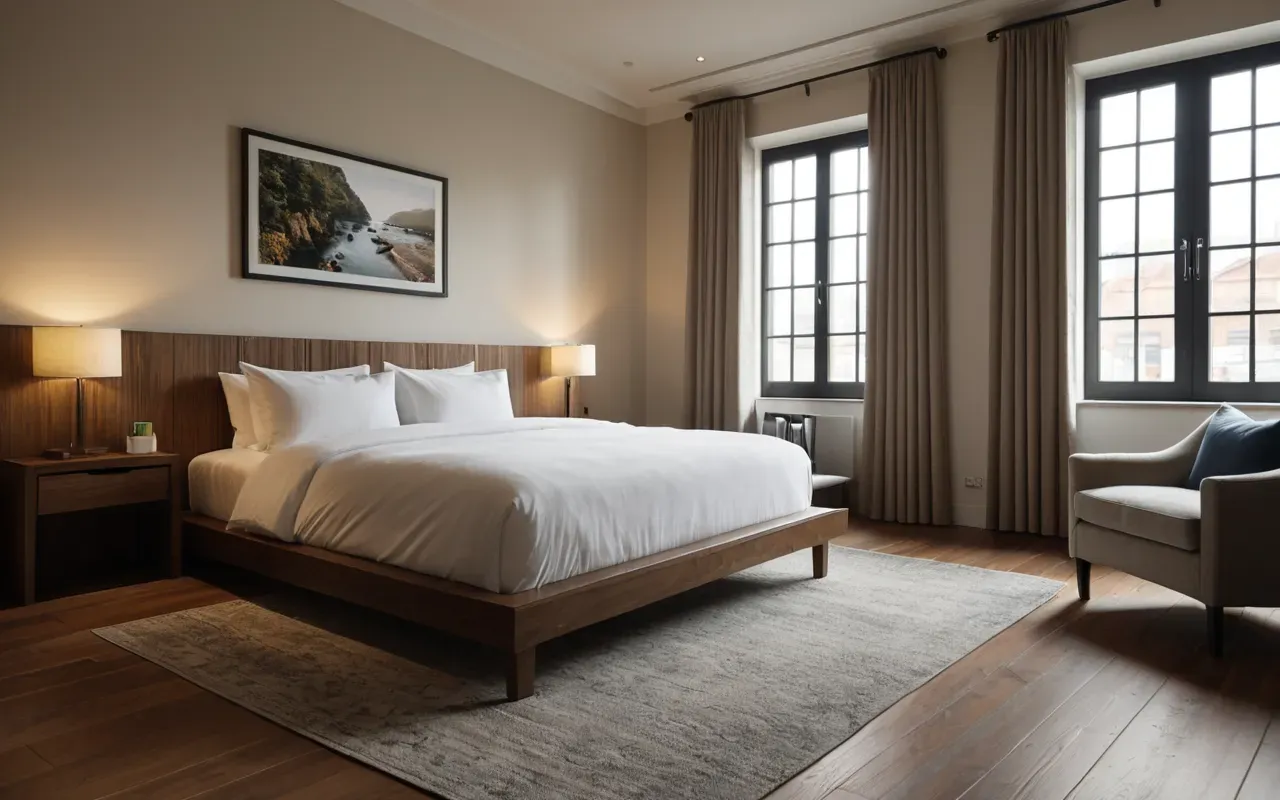
I remember one specific morning where this difference hit me hard. I was staying in the center and tried to buy bread from a bakery near my hotel. The line stretched around the corner. People were shouting for service. In my suburban stay, I walked into three different bakeries within ten minutes, each with no wait.
It sounds trivial. Bread lines are not the point of a vacation. But they symbolize a larger pattern. In the center, every basic task competes for attention and patience. In quieter areas, your time belongs to you.
What Locals Actually Do During Summer Months That Tourists Never See
Locals do not stay in the center during hot months. They move to water’s edge or green spaces where they can cool off naturally. I have spent time with residents who keep their apartments barely lived-in during summer, spending most evenings on terraces or by canals outside the core tourist zone.
This creates an interesting inversion. The areas that tourists avoid because they seem remote are exactly where the local life thrives in July and August. Cafes stay open later. Markets get bigger. Street musicians perform for audiences who actually live there.
I sat in a terrace cafe in the eastern part of town one evening. The conversation around me was about local politics and weekend plans. Not tips for tourists or recommendations for attractions. It felt like being invited into someone else’s life rather than observing it through glass.
The Quiet Power of Being Slightly Removed
There is a specific quality to experiences you have when you are not surrounded by other tourists. The light looks different because there are fewer people blocking sightlines. Music carries further because ambient noise levels drop. Even the food tastes better because your appetite has not been dulled by stress.
I noticed this most strongly during dinner. In the center, I ate quickly to finish before my table was needed for another group. One night in a quieter area, I spent two hours over one meal because no one rushed me and the staff had time to explain each dish.
That extra hour of conversation with the waiter taught me more about local ingredients than any guidebook ever could. The information was not scripted or rehearsed for performance. It came from genuine familiarity and pride in what they serve.

This is not about rejecting the center. I love the energy of central squares and the history embedded in old buildings. But during peak season, that same energy becomes a drain on your personal reserves rather than a source of inspiration.
Think about it this way. If you are visiting a friend’s house for the weekend, do you want to be in their busiest living room all day or have your own quiet space where you can think and recharge? The answer should guide your accommodation choice too.
How Transit Changes the Equation Completely
The biggest objection I hear is that traveling to the center takes too long. But here is what most people do not realize about the transit system in this region.
Trams run every three to five minutes during peak hours. The ride from outer neighborhoods to central stations takes between ten and twenty minutes depending on your exact location. That is less time than it takes to walk across a single large square in the center when it is crowded.
I timed my commute from an apartment in the northern part of town to Central Station. Including waiting time and walking to the stop, it took me exactly eighteen minutes. My colleague staying central walked forty-five minutes because she kept getting stuck in pedestrian bottlenecks.
And the tram ride is not just faster. It is more comfortable. You sit down. You read a book or check your phone without dodging other pedestrians. The mental load of navigating crowds disappears completely once you are on board.
The Real Reason Your Summer Trip Feels Exhausting Before It Even Starts
This is the part that surprises me every time I talk to returning travelers. They arrive tired not from flying but from the decision process itself.
Choosing where to stay in a city with limited space and high demand creates constant micro-stress. Every review you read triggers anxiety about noise levels or distance to attractions. By the time you land, your brain has already spent hours worrying instead of anticipating.
Book a place slightly removed from the core zone, and that decision pressure drops dramatically. Fewer variables to weigh against each other. Fewer competing demands on your attention during what should be a relaxing phase of travel.
I made this mistake myself three years ago. I agonized for two days over which central hotel to choose because I wanted the perfect view and location. By the time I checked in, I was mentally drained before seeing a single landmark.
What Happens to Your Body When You Sleep in a Noisy Area
Research on sleep disruption shows that even brief interruptions from external sound reduce deep sleep phases by up to thirty percent. Might not seem like much. Until you realize cumulative effects over multiple nights.
I tracked my own sleep quality using a wearable during stays in different neighborhoods. The data was consistent. Nights spent in the center showed more frequent wake-ups and lower overall efficiency scores compared to suburban locations.
This matters more than most people realize. Fatigue affects your decision-making, mood stability, and even how much you enjoy experiences during the day. A tired traveler sees less beauty in everything they encounter.

So the question is not whether you can afford to stay central during peak season. The question is whether that choice actually serves your goal of having a memorable and restorative experience.
For many travelers, the answer is no. The money saved goes toward better food, longer stays, and more genuine connections with places rather than buildings.
Practical Steps to Choose Better Accommodation for Your Next Summer Visit
Start by mapping your actual priorities rather than assumed ones. Do you need to be within walking distance of museums? Or would taking a tram for fifteen minutes twice daily free up enough budget and mental space to improve the overall trip?
Look at reviews from people who stayed during your specific travel dates. A hotel that gets five stars in April might get three stars in August simply because conditions change dramatically with seasonal demand patterns.
Check the exact floor plan orientation. Does your window face a quiet courtyard or a busy intersection? This single detail can make or break your sleep quality more than any star rating ever will.
Finally, calculate the total cost of convenience. Add up what you would spend on taxis or extra coffee runs to compensate for poor location choice. That number often exceeds the savings from choosing a slightly farther but better-suited accommodation.
Questions People Ask Before Booking During Peak Season
Most people want to know if they will miss out by staying outside the core zone. The short answer is no because the transit system makes daily visits effortless.
Others worry about safety in less touristy neighborhoods. My experience and conversations with locals suggest these areas are often safer precisely because they have fewer transient visitors causing friction.
Frequently Asked Questions
What is the best area to stay in during Amsterdamse Zomer?
Neighborhoods just outside the central ring offer the best balance of access and tranquility during summer months. They provide easy tram connections to major attractions while maintaining lower noise levels and better value for money compared to core zones.
How much more expensive are central hotels during summer?
Central accommodation typically costs two to three times more than comparable options in outer neighborhoods during July and August. This premium reflects high demand from tourists seeking proximity to main attractions despite limited availability.
Can you still experience the full city if staying outside the center?
Yes because public transport provides frequent and reliable connections to all major districts within fifteen to twenty minutes. Many travelers find they actually see more when starting from quieter bases due to reduced fatigue.