The City That Choked On Its Own Success
Three friends from Argentina stepped off a canal bridge and felt the city close in. They were not alone. Thousands of others stood there too.
Amsterdam is bleeding out from popularity. The streets are no longer pathways but bottlenecks where commerce stalls and residents suffocate.
This is not a seasonal blip. It is a systemic collapse of urban flow driven by an unmanaged influx of visitors who never intended to stay long.
When The Arteries Clog
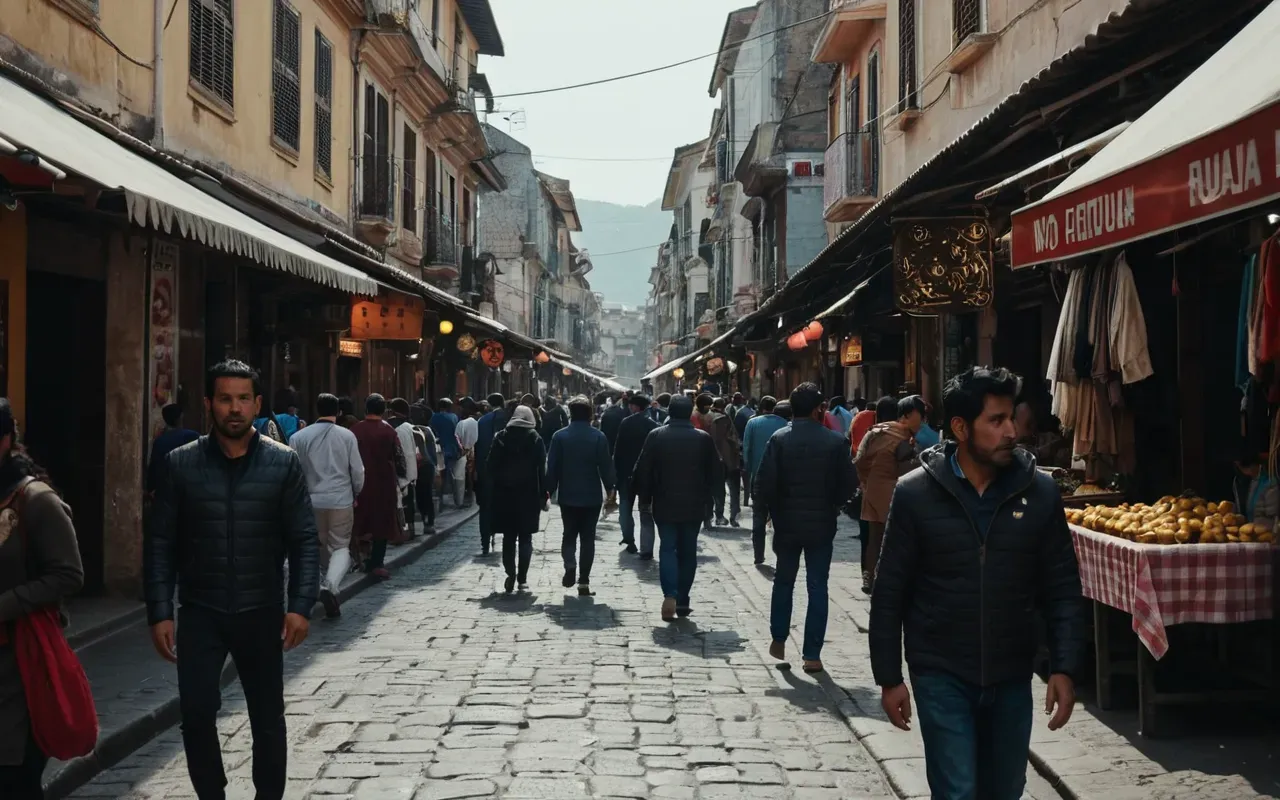
NRC reports that the veins of Amsterdam are clogging shut. Main arteries like Nieuwendijk have become chokepoints where movement stops entirely.
I watched a delivery van idle for forty minutes. The driver looked exhausted. He was not delivering food anymore; he was delivering frustration.
The Invisible Tax On Local Life
Tourists do not pay for the wear and tear. They leave footprints that never heal. The pavement cracks under boots that will never return.
Local shops are closing. Not because they lost business to online rivals, but because the foot traffic is too slow and the noise is too loud.
A bakery on a side street closed last month. The owner said the queue of tourists was longer than her line of bread.
Who Actually Pays The Bill?
The city council pays for the repairs. Taxpayers fund the cleanup. The tourists pay a small entry fee and leave with clean memories.
It is an unfair trade. The city hosts the party and cleans up the mess while the guests move to the next destination.
A Crisis Hidden In Plain Sight
Most visitors see a beautiful city. They do not see the strain on public transport or the fatigue in local faces.
The real story is not about canals. It is about the infrastructure that supports them and how it is breaking under pressure.
The Myth Of Sustainable Tourism
We talk about sustainable travel like it is a product. But sustainability requires limits. Amsterdam has no real limit on visitor volume.
Hotels fill up every night. Trains run packed. The system works only because it is constantly being repaired and patched.
If you are planning a trip, consider where your money goes. Does it support local artisans or just global hotel chains?
What Changes If We Do Nothing
The city will become a theme park. Real life will retreat to the outskirts while the center becomes a permanent exhibit.
Residents will leave. Young families will move away because the noise and crowding make daily life unbearable.
Once the locals are gone, the soul of the city is gone too. What remains is just a backdrop for photos.
A Warning For Travelers And Planners
If you value authentic experiences, act now. Support local businesses that are fighting to survive in this crowded landscape.
Be aware of the impact your presence has. Every step you take adds to the weight on a city that is already bending.
The next time you visit, look beyond the postcard. See the cracks in the pavement and hear the silence of a shop that closed.