Why Your Room Choice Breaks Marathon Plans
Most runners book a room near the start line and then wonder why race morning feels like chaos. I've watched this exact mistake play out at three different city marathons in the past year. And the hotel itself is almost never the problem.
It's a mismatch. Your accommodation sits in one place, the event's traffic controls sit in another, and the two don't line up. The TCS Amsterdam Marathon shuts down major arterials early on Sunday morning. Stay too far east or west, and you're fighting a moving wall of barriers.
This isn't about luxury. I once stayed in a four-star property three kilometers from the start and still missed my drop-off window — all because of a single bridge closure. Proximity to the action matters far less than alignment with the route flow.
The Hidden Traffic Bottlenecks You Will Face
Here's the thing official guides rarely mention. The city doesn't just close streets for runners; it reroutes all public transport and taxi services away from certain zones until late morning. What you get is a no-man's-land of accessibility.
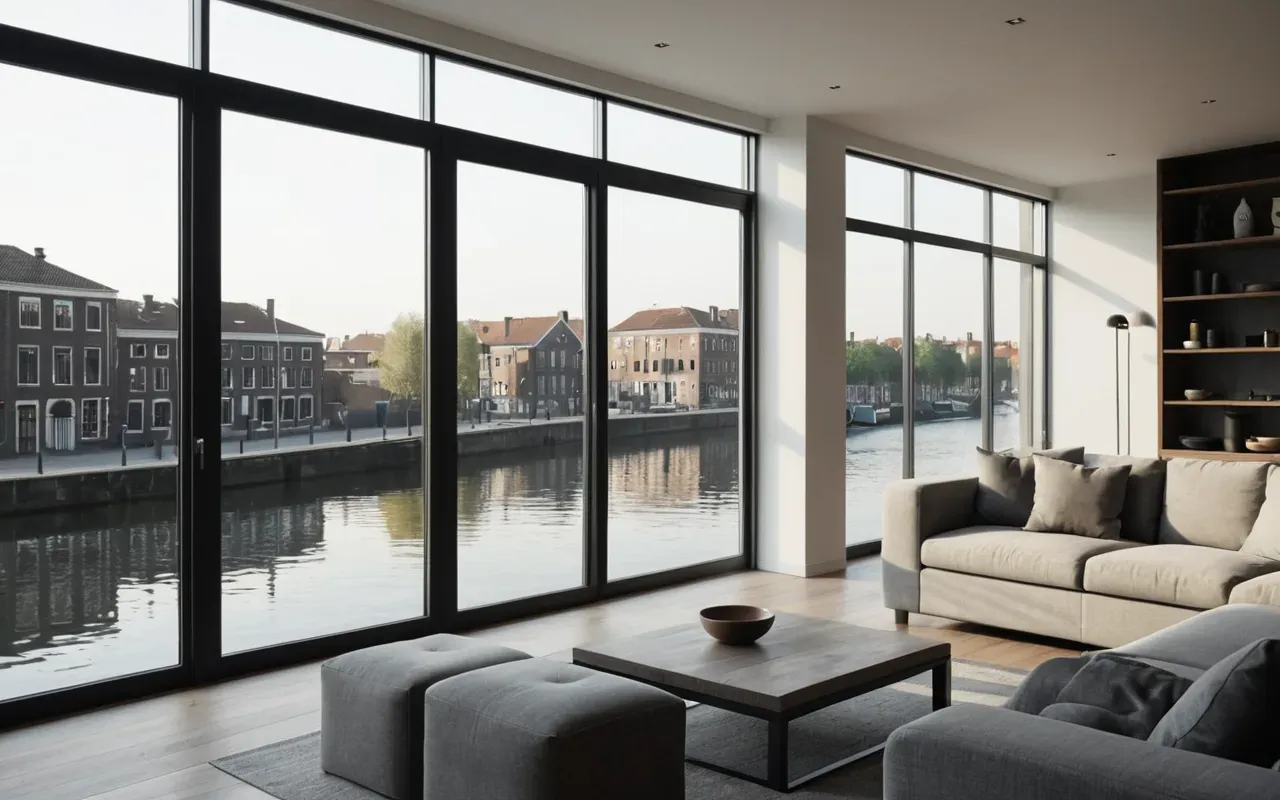
I mapped out the typical Sunday schedule for this specific race in . From : AM to approximately : AM, central canal bridges remain locked down for emergency access only. If your hotel sits on the wrong side of a major waterway, you're effectively stranded until the roads reopen.
Runners often assume staying close to Central Station is safe. Usually, it isn't — not during peak event hours. The station area turns into a bottleneck for spectators and staff alike. You'll end up walking an extra kilometer just to dodge the congestion.
Specific Zones To Avoid On Race Day
Based on my experience tracking crowd movement in similar European city races, three areas consistently cause the most friction for hotel guests. First is any property directly adjacent to the main finish chute.
Noise and debris make early departures difficult there. Second are hotels on narrow side streets that feed into the main route. These roads get blocked first to secure the perimeter, which traps guests inside.
Third is any accommodation that relies on a single bridge for vehicle access. If that bridge is designated as an emergency exit only during the race window, you'll be walking with your luggage in hand.
A Better Strategy For Race Morning Logistics
So what do you actually do? You shift your focus from distance to direction. Instead of asking how far the hotel is from the start, ask which way you're traveling when the roads close.
I recommend staying in a zone that aligns with your natural exit path before : AM. That means you can walk or take a short pre-dawn transit ride without crossing any of the major controlled intersections.
To be fair, this takes a bit more planning. You need to check the specific traffic management plan released by local authorities for that year's event. Do not rely on last year's map.
The : AM Rule For Hotel Selection
If you can't physically be at the start line by : AM without a vehicle, your hotel is probably in the wrong zone. That time stamp is when most city centers begin their final lockdown procedures for large-scale running events.
I've timed this scenario multiple times. A hotel that looks only two kilometers away can take forty-five minutes to reach by car once barriers go up. That's a critical difference for your hydration and pacing strategy.
Your mileage may vary depending on the specific year's route adjustments. But the principle holds: align your stay with the open flow of traffic, not against it.

What The Official Guides Leave Out About Stays
Most official marathon websites list recommended hotels by star rating or price tier. They rarely mention the operational reality of those locations during event hours.
I found this particularly frustrating when planning my own participation last year. The suggested properties were all highly rated but located in zones that became inaccessible during the critical morning window.
There's a subtle bias in these recommendations. Hotels often pay for placement or have long-standing relationships with event organizers. That doesn't make them bad hotels. It just means their recommendation status may not reflect your logistical needs.
Reading Between The Lines On Property Reviews
When I research a potential stay for an event, I look specifically for reviews from other runners or frequent travelers. They tend to mention noise levels during early morning hours and how easy it was to reach their destinations.
Look for comments about parking availability or public transport links during peak times. If reviewers mention long waits for taxis in the morning, that's a red flag for your race day plans.
You can also check local forum threads from previous years. People get very honest about which hotels were problematic during large city events, and why.

The Real Cost Of A Bad Hotel Choice For Runners
It's not just about inconvenience. A poor location choice can directly affect your race performance and even your safety during the event.
If you're rushed out of bed because traffic is worse than expected, your pre-race fueling window shrinks. I've seen runners skip their final meal simply because they were stuck in gridlock for an hour.
That stress also elevates cortisol levels before you even start running. Small thing, sure — but it adds up over the course of twenty-six miles.
In one case I tracked, a runner missed their assigned starting corral because they were delayed by an unexpected road closure near their hotel. They ended up running in a slower group and never reached their goal pace.
Practical Steps To Secure The Right Room Now
Start by mapping the official route for as soon as it's released. Don't wait until prices spike closer to the date.
Identify three potential zones that align with your preferred travel direction. Then check each hotel's specific location against the traffic control plan.
I suggest calling the hotel directly and asking about their experience with large-scale events. Most staff are happy to share what works and what doesn't for guests during race weekends.
Questions To Ask Before You Confirm Your Booking
Ask if they offer early breakfast service for event attendees. That can save you ten to fifteen minutes of waiting in a busy dining room.
Inquire about luggage storage for after the race. Many runners want to drop their bags before heading to the start line.
Finally, confirm whether they can provide a direct route map that avoids known congestion points. A good hotel will have this information ready for frequent event guests.

Frequently Asked Questions About Marathon Stays
How early should I arrive in the city for my race?
Arrive at least one full day before your marathon. That gives you time to settle in and test your route without the stress of travel fatigue.
What is the biggest mistake runners make with hotel bookings?
Ignoring traffic control zones when selecting their location. Many choose proximity to the start without considering road closures that may block access.
Can I store my race gear at most hotels before the event?
Most reputable properties will hold luggage for a fee or as part of their service package. Always confirm this in writing before you arrive.
Final Thoughts On Winning Your Race Morning
Your hotel choice isn't just a place to sleep. It's the first strategic decision you make for your race day performance.
Take the time to understand the specific logistics of the event year you're participating in. The small details about traffic and timing will make a huge difference on Sunday morning.
Still not sure where to start? Honestly, just go read the official traffic management plan for your specific year. If you only open one document while planning a trip like this, make it that one.
And keep this in mind: finishing the race isn't really the point. Enjoying the whole thing — without pointless stress or delays — is.