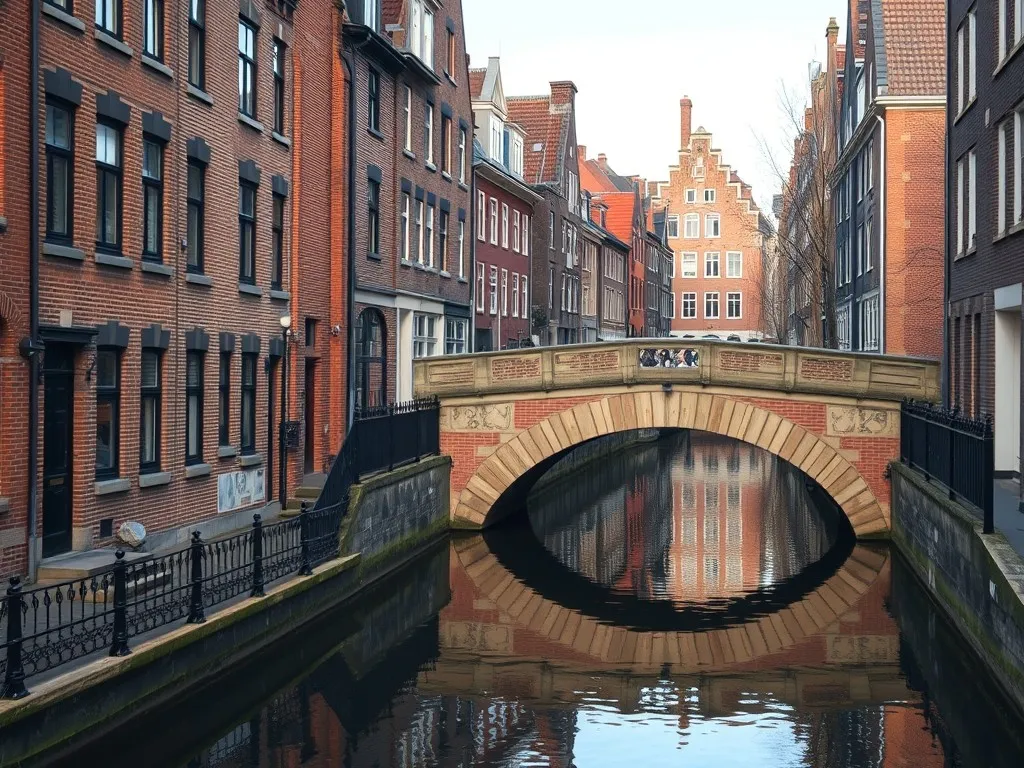
Amsterdam Travel Guide: Budget vs Luxury Stays
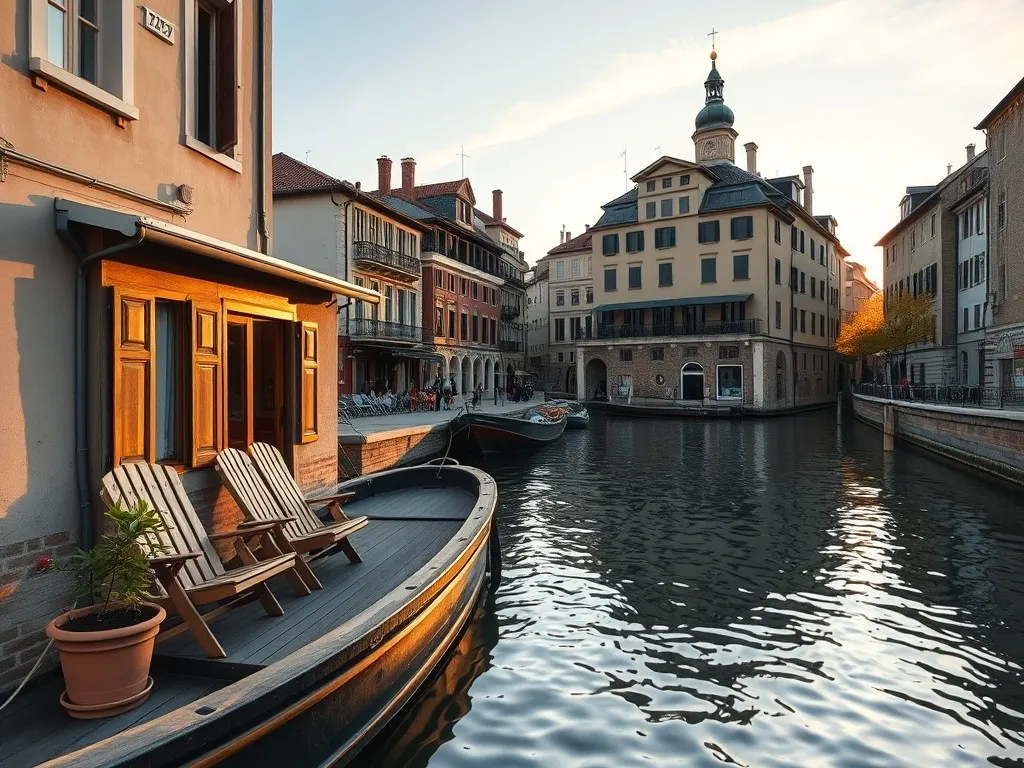
Budget and luxury Amsterdam trips differ less in what you see than in where you sleep, how you move and how you eat. Budget means dorm beds or rooms in outer neighbourhoods, walking and ferries, and street food. Luxury means canal-house hotels, private tours and long dinners. The useful way to choose is to decide which of those three you will not compromise on, then spend freely there and save everywhere else.
Sleep, movement and food are the three levers on any Amsterdam trip, so the budget-versus-luxury decision is really made in those places. Everything else is noise by comparison. A room rate swings more between a dorm bunk and a canal-house suite than any tram ticket ever will, and museum entry is a minor line next to it.
A tram ride, a ferry crossing and a museum ticket do not change because you booked a hostel instead of a suite, so they are not where the gap opens. Saving there buys little; splurging there buys little too.
Most travellers mix the two deliberately. A trip can be budget in one area and luxury in another: a cheap room paired with one serious tasting menu, or a canal-house stay with lunches eaten standing at a street stall. Treat the three as separate dials rather than a single switch, and the choice becomes much easier.
Where You Sleep: Dorm Beds, Outer Neighbourhoods or Canal Houses
The accommodation spectrum in Amsterdam runs from a bed in a six-to-eight-person dorm to a five-star room overlooking a canal, and what changes along the way is not just comfort but the shape of your day. At the bottom, you share a room and often a bathroom, and you accept noise and a locker for your bag. At the top, you get space, service and a location that puts the historic centre on your doorstep.
One cost behaves differently from the rest. The tourist tax applies to the room rather than to each guest, and it is calculated as a share of the room rate, so it rises in step with how luxurious the room is. A dorm bed and a canal-house suite therefore carry very different tax burdens even when the same number of people sleep in them. When the council changes that rate, as it did when it approved a higher tourist tax, the effect lands hardest on the expensive end of the market.
Location is the second trade. Outer neighbourhoods give you more space and quiet for the same money, at the cost of a tram ride into the centre. Canal houses give you atmosphere and centrality, at the cost of quiet, small rooms and steep stairs.
Before booking, ask two questions: does the quoted rate include the tourist tax, and does it include breakfast? A room that looks cheaper can lose that advantage once the tax and a morning meal are added, so compare the final figure rather than the headline rate.
How You Get Around: Walking, Trams and Private Boats
Transport is the smallest part of the budget-versus-luxury gap. Walking and the free ferries that cross the IJ cost nothing and cover much of the historic centre, from the Jordaan to the Plantage. If your hotel is inside the ring, you can treat the tram as a backup rather than a daily habit.
When you do ride, a multi-day public transport pass usually beats buying single tickets once you plan more than a couple of journeys a day. A GVB day ticket covers unlimited tram, bus and metro rides for the day, so do the arithmetic on your own itinerary before buying. Ask at the counter whether the pass includes the ferry crossings you plan, even though those are free anyway.
The luxury version of getting around is a private canal boat or a chauffeured car. What you buy is privacy and timing, not speed: a boat lets you set your own route and a car waits at the door, but neither moves faster through the centre than a tram.
The train from Schiphol into the city is quick and cheap enough that a transfer upgrade rarely earns its keep. Book the ordinary service and put the difference toward a better room or a longer dinner.
Eating Well on Either End: Street Food, Cafés and Tasting Menus
Food is the lever you can pull hardest. Because restaurant meals sit among the three biggest lines on any Amsterdam trip, shifting how often you eat out moves the whole trip between tiers faster than almost any other choice. A traveller who wants luxury on a budget can keep the canal house and eat street food; a traveller who wants budget on a luxury rhythm can sleep in a dorm and book one serious dinner.
Budget eating in Amsterdam runs on street food, bakeries, markets and supermarket self-catering. A broodje from a bakery, a portion of herring or kibbeling from a stall, or a picnic assembled from a cheese counter covers lunch and often dinner for very little. Supermarkets are dense and well stocked, so a self-catering breakfast alone quietly resets the daily total.
Mid-range means café lunches and one sit-down dinner a day, chosen rather than defaulted to. Luxury means tasting menus and tables booked ahead, where the kitchen sets the pace and the bill follows. Between those poles the food itself is often superb at every level, and the difference is ceremony and setting as much as ingredients.
Whatever your style, reserve popular dinner spots well ahead. Availability, not money, is usually the real constraint on a good Amsterdam evening, and the best-known places to visit fill their dining rooms around them. Book early and decide your tier afterwards.
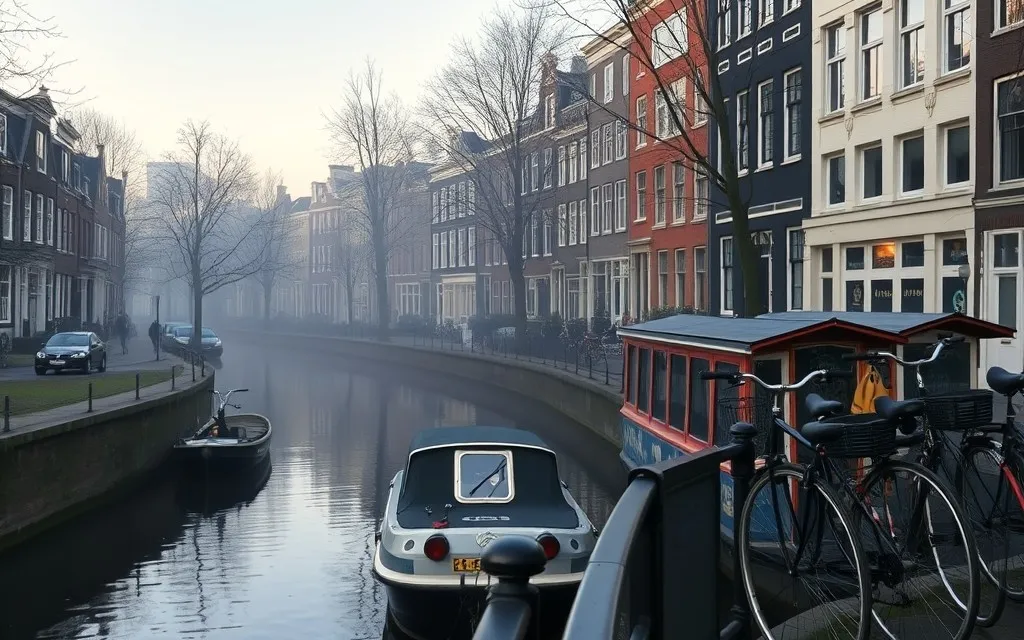
Museums and Sights: The Same Tickets Whatever Your Style
The Rijksmuseum and the Van Gogh Museum anchor almost every Amsterdam itinerary, and both charge the same entry to every visitor. Your tier changes how you arrive and what you add around the visit, not what the ticket costs. Budget and luxury travellers stand in the same queues for the same rooms.
A city card bundling transport and museums can pay off on a heavy sightseeing day, but only if you genuinely use the inclusions. Run the arithmetic against the museums you will actually enter and the journeys you will actually make. Cards reward dense days and punish leisurely ones, so buy after you have sketched your schedule rather than before.
Free and low-cost culture fills the rest of the time. Walking the canal ring, browsing the markets and riding the free ferries behind Centraal Station cost nothing and show you the city at its most ordinary. Stack a couple of paid museums on top and a culture-heavy day stays affordable.
In peak season, book timed museum slots in advance; the entry price is fixed, but the entry time is not. The luxury version of a museum visit is a private guide who explains the collection, never a different ticket. Same building, same admission, different company.
When You Go Changes the Gap More Than Your Style
Season moves the price of a bed far more than the choice between a hostel and a canal house does. Hotels in July and August cost 40–60% more than in November, so the same money buys a dorm bunk in high summer and a private room in the cold months. If your dates are fixed by school holidays, you are paying summer rates whatever your style.
Winter is the other side of that equation. Hotel rates drop by 30% or more, and that is precisely when a mid-range traveller can stretch to a canal-house room that would be out of reach in June. The trade is daylight and terrace weather, not comfort. Check cancellation terms before booking a winter rate, since some are non-refundable.
April sits in the expensive middle. It is Amsterdam's driest month, with an average of just seven rainy days, and it carries both tulip season and King's Day on 27 April. Demand is high and priced accordingly, so book early if the date matters to you.
Late June rewards a different kind of planning. Summer highs reach 22°C and the sun does not set until after 10pm, so an evening walk along the canals costs nothing and adds hours to your day without adding a night to your booking. If you are weighing where to base yourself in the west, the long evenings make an outer neighbourhood easier to justify.
Pick your month before you pick your style. The season sets the floor and ceiling of what your money does; the hotel category only decides where inside that range you land.
A Simple Rule for Choosing Your Amsterdam Style
Choose the one element you refuse to compromise on, then cut the other two to the bone. Almost every trip that feels badly planned comes from spreading a fixed amount across sleep, transport and food until none of them satisfies. Naming your priority first turns the rest into easy decisions rather than constant small negotiations.
If sleep and location matter most, put your money into the room and eat simply: bakery lunches, a café dinner, a picnic on a canal bench. If food is the point of the trip, reverse it. Sleep in an outer neighbourhood where rooms cost less, then travel in for the meals you came for. In both cases, walk or take the tram and skip the private boat.
Before you pay for any room, ask three questions. Is the tourist tax included in the quoted rate, or added at check-in? Is breakfast included, and is it worth eating? What is the cancellation policy, and by when must you cancel? The answers often matter more than the star rating.
Ignore daily spending averages other travellers quote. A daily figure blends the exact choices worth separating here, so it tells you nothing about which trade-offs you would actually make. Set your own priority, protect it, and let the rest stay cheap.
Frequently Asked Questions
Is it worth staying in a canal house hotel in Amsterdam or is an outer neighbourhood better value?
An outer neighbourhood is better value if the room itself matters less to you than the city around it. Canal house hotels charge far more for the setting and character, while outer districts trade that atmosphere for quieter streets and lower rates. Ask what the room rate includes before deciding.
How far in advance should I book an Amsterdam hotel for a luxury trip versus a budget one?
Book a budget bed as early as you can, and a luxury room with more flexibility. Cheap dorm and small-room stock is limited and disappears first, especially around King's Day and the summer peak, when rates climb sharply. Luxury canal houses have more rooms to release and often discount in winter, so watch rather than rush.
Can I mix budget and luxury on the same Amsterdam trip without wasting money?
Mixing works well because the big costs are accommodation, restaurant meals and museum tickets, and you can choose which one to splurge on. Sleep in a simple outer-neighbourhood room, then spend on one tasting menu or a private boat. Keep transport cheap with walking and trams so the treat does not leak into everything else.
Does the Amsterdam tourist tax apply to hostels and apartments as well as hotels?
Yes, the tourist tax applies to all Amsterdam accommodation, not just hotels, so hostel dorms and apartments are caught too. It is charged on the room rather than per person, which matters when several of you share one booking. Ask whether the quoted rate already includes the tax before you compare places.
For the full overview, see visiting Amsterdam.
Related in this series: places to visit in amsterdam.