The Sculpture That Started a Trend Nobody Wanted to Name
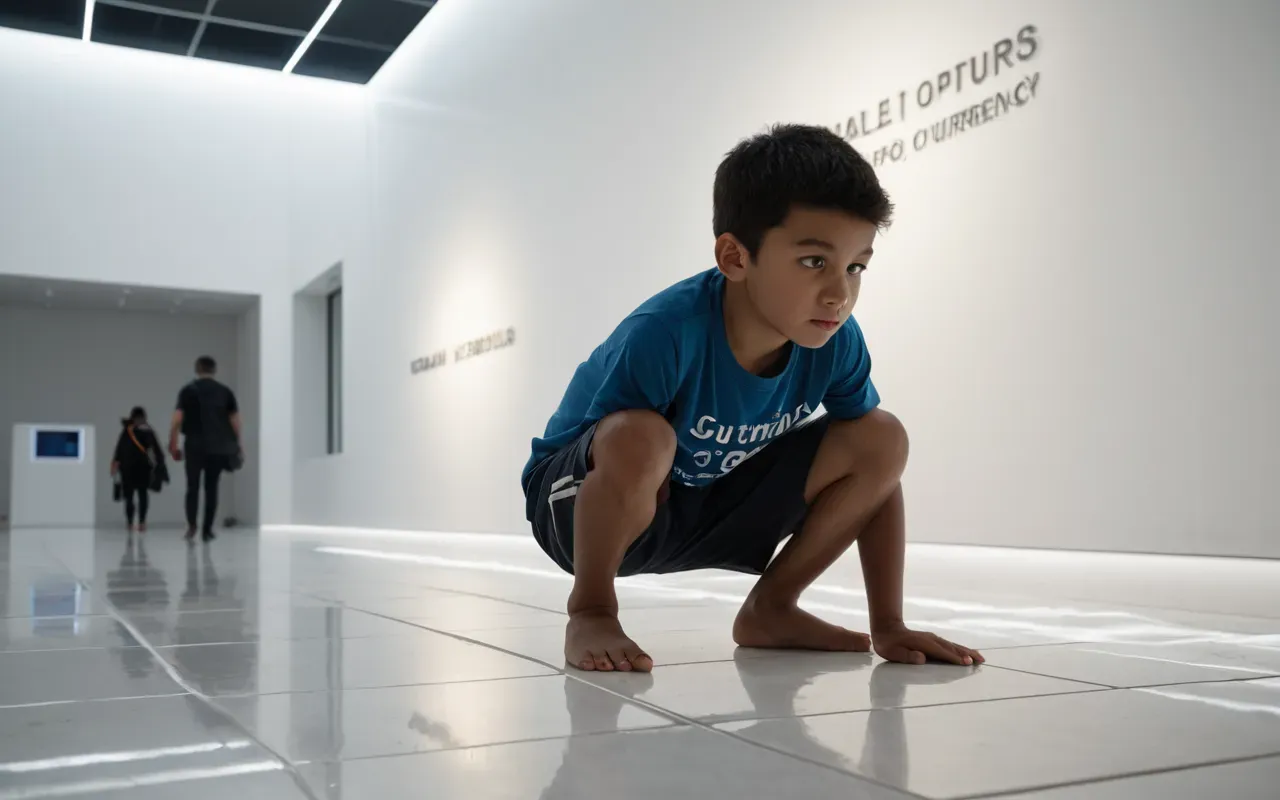
It started with a man in a blue shirt. He stood next to an enormous hyperrealistic boy crouching on the floor.
The boy was three meters tall. The man barely reached his knees. Visitors circled the statue in silence.
This scene is not a glitch in reality. It is a snapshot of how art consumption has shifted.
We used to go to museums to see history. Now we go to see scale.
The shift is subtle but profound. It changes who gets to define culture and how.
Why Private Collections Are Winning the Attention War
Public museums struggle with budgets. They rely on grants and donations to keep the lights on.
Private collections do not have that problem. They are funded by individual fortunes.
This creates a two-tier art world. One tier for the wealthy owners and one for everyone else.
The wealthy get to choose what gets displayed. They control the narrative and the access.
Look at the recent boom in private galleries. They are opening faster than public institutions.
This trend is not just about money. It is about influence and prestige.
The Hidden Cost of Exclusive Art Experiences
When art becomes a luxury good it loses its democratic function.
Public museums were designed to educate. They serve the community regardless of income.
Private collections often have entry fees or exclusive events that keep the masses out.
This is not just a niche issue. It affects how we understand our shared history.
If only the rich can see certain works of art then those works become symbols of wealth.
The public loses access to cultural touchstones that were once free for all.
What This Means for the Future of Art Tourism
Travelers are increasingly seeking unique experiences that public museums cannot offer.
Private collections provide exclusivity and curation that appeals to high-net-worth tourists.
But this creates a divide in the travel industry between luxury and standard offerings.
The Role of Social Media in Amplifying the Trend
Instagram and TikTok have turned private collections into viral destinations.
Photos of exclusive exhibits drive interest and demand for similar experiences elsewhere.
This digital amplification accelerates the shift toward private dominance in cultural consumption.
How Public Institutions Can Compete with Private Wealth
Public museums must find new ways to engage audiences without relying on private funding.
Partnerships with educational institutions can help bridge the gap between public and private access.
They also need to emphasize their role as democratic spaces open to all citizens.
The Importance of Community Engagement in Art Access
Engaging local communities helps ensure that public museums remain relevant and accessible.
Programs that involve schools and local artists can foster a sense of ownership among residents.
This approach helps counter the exclusivity that private collections often promote in their marketing.
The Long Term Impact on Cultural Heritage and Identity
If private collections dominate the art world then cultural identity becomes fragmented.
Different groups will have access to different sets of artworks based on their wealth.
This fragmentation undermines the shared cultural narrative that binds communities together today.
What Visitors Can Do to Support Public Art Access
Visitors can choose to support public museums by purchasing tickets and memberships there.
They can also advocate for policies that ensure fair access to cultural institutions in general.
By supporting public art we help preserve a shared space for cultural exploration and understanding.
The choice is simple. Do we want art to be a privilege or a right for everyone?