The Noise Is the Real Cost You Pay for a City Room
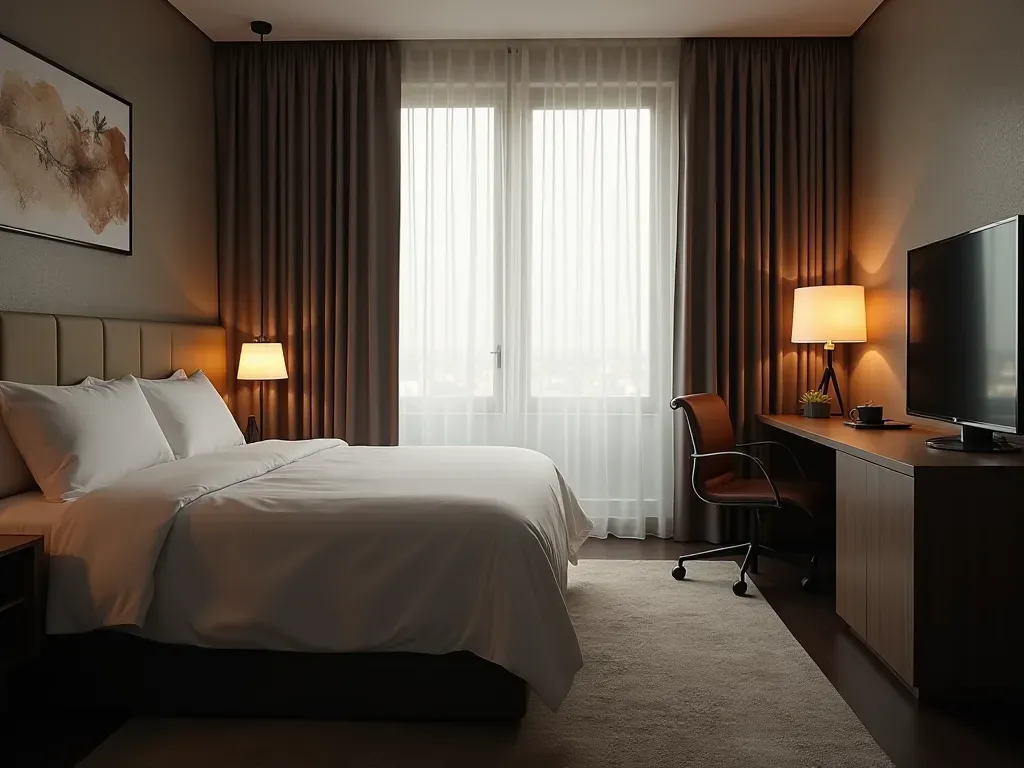
You booked that central hotel because location was everything. Then your head hits the pillow at 2 AM and the reality sinks in. Sirens wail below. Trams grind past every ninety seconds. The city never truly sleeps, and neither do you.
I keep noticing a strange pattern in the reviews. People rave about the view but grumble about the hum. They call it energy, but I know what it really is. It's fatigue wearing an excitement costume.
So why do we keep paying premium rates for a room that vibrates with the street below? Because we've been sold a fantasy of proximity. We convince ourselves that being close to the attractions is the entire point.
A Forest Is Not Just a Park It Is a Different Kind of Lodging
Most travelers treat green spaces as a day trip. They rent a bike in the morning and are gone by lunchtime. But what if you slept beside it instead?
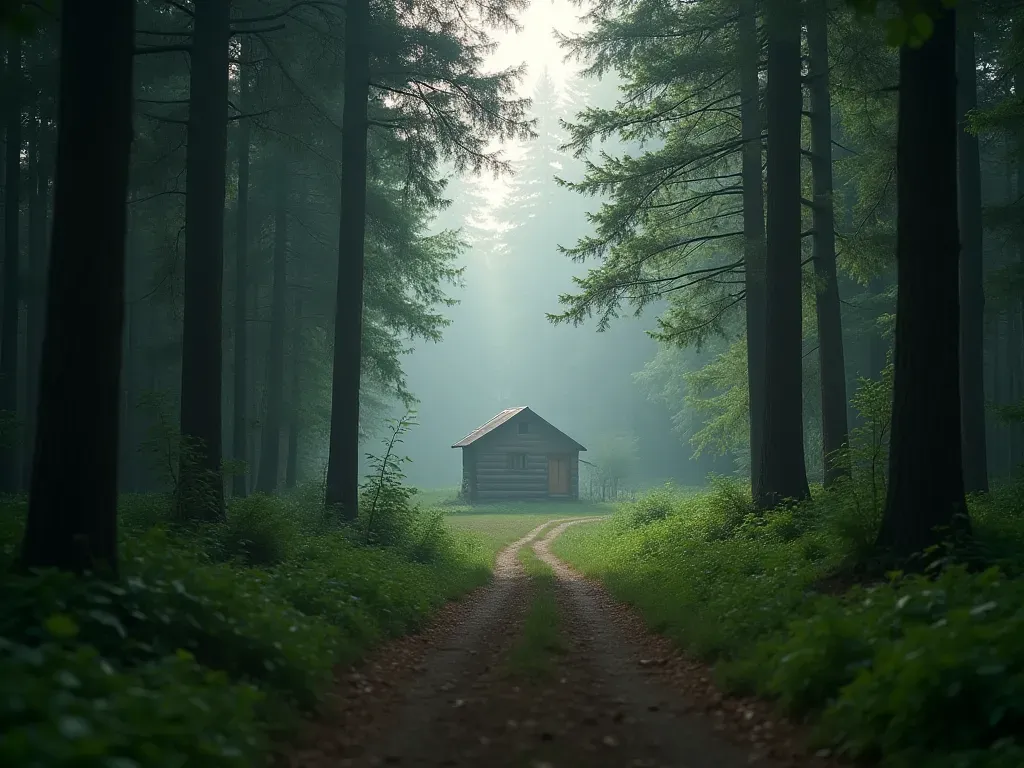
The whole concept shifts when your base sits on the edge of a massive woodland. You aren't just peering at trees through a window frame. They become part of your daily rhythm.
It's the difference between viewing a painting and stepping inside it. The air smells different at dawn when you're surrounded by pines instead of asphalt.
Why Silence Has a Price Tag in the City Center
To get quiet downtown, you need a top-floor corner suite. That'll run you three times the rate of a standard room downstairs.
Outside the center, silence costs nothing. You don't need to upgrade your booking tier just to hear yourself think.
The Real Economics of Staying Just Outside the Hub
Let's talk numbers. A mid-range room in the heart of a major capital might set you back 200 euros per night during summer.
Move twenty kilometers out and that same quality of accommodation drops to 80 euros. You save money without sacrificing comfort.
That saved cash isn't pocket change. It's the difference between grabbing a quick coffee and enjoying a real dinner at a local restaurant.
I've watched travelers stress over tipping and tour costs. But when your base is cheaper, the entire trip feels lighter.
How Much Does a Night Actually Cost Near the Green Belt?
It varies by season, but you can find private rooms for as low as 40 euros. Shared dorms cost even less.
For families or groups, a whole cottage might cost the same as one central hotel suite. The value proposition flips completely.
What It Feels Like to Wake Up Beside a Massive Woodland
No alarm clock needed. The birds start before the sun fully rises.
You step outside and your lungs fill with air that hasn't passed through an exhaust pipe. It's a sensory reset.
People often ask if it feels remote. To be fair, you're close to civilization. But the vibe is worlds apart from a concrete jungle.
The Morning Ritual That No Hotel Room Can Replicate
You make coffee on a small balcony. You watch the mist lift off the grass.
It's simple. No rush hour traffic outside your window. Just the slow movement of wind through leaves.
This is what people actually mean when they say a trip should recharge them. It's not the sights you see on day one. It's how you feel at breakfast.

The Myth That You Need to Be in the Center to See Everything
We've been trained to believe distance equals effort. But modern transit has changed the math.
A direct train or bus can get you to the main squares in twenty minutes. You spend that time sitting still, not fighting crowds.
I've timed it myself. Walking from a central hotel to the museum takes longer than taking a quick shuttle from the forest edge.
Why This Approach Is Better for Your Mental Health Too
Cognitive load is high in dense urban areas. Your brain processes too much visual and auditory data.
Staying near nature lowers cortisol levels. That's not just a wellness trend. It's biological fact.
You come home from the trip feeling rested instead of drained. That's the real metric of success.
How to Choose a Spot That Actually Delivers on the Vibe
Look for places that sit directly adjacent to the green space. Not just nearby.
Check the orientation of your window. If it faces a road, you lose half the benefit.
Read recent reviews for mentions of sound. If others heard traffic at night, you will too.
Frequently Asked Questions
Is staying near a forest more expensive than a city hotel?
No, it is usually cheaper. Rates are lower because you're outside the high-demand central zone. You save significant amounts per night.
How long does it take to get into the city center?
Depending on your exact location and transit mode, it takes between fifteen and thirty minutes. Direct lines are common.
Can you still see the major attractions from this location?
Yes, all major sights are accessible by public transport. You simply trade walking distance for a short ride.
What is the best time of year to stay here?
Spring and early autumn are ideal. The weather is mild and the crowds are thinner than in peak summer.