
The Canal Parade Has a New Agenda
I have watched Pride festivals evolve across three decades and thirty countries. The script usually stays the same. You get the glitter. You get the floats. You get the party. Amsterdam just shattered that script. The Canal Parade this year is not just a celebration. It is a confrontation.
Look at the 'Kissing Couple' boat. It features a giant inflatable of Donald Trump and Vladimir Putin sharing a same-sex kiss. This is not a random gag. It is a calculated strike. These two leaders represent the rising tide of authoritarianism targeting queer rights globally. Putting them on a barge in a campy tableau turns their power into a joke. And it forces the world to look.
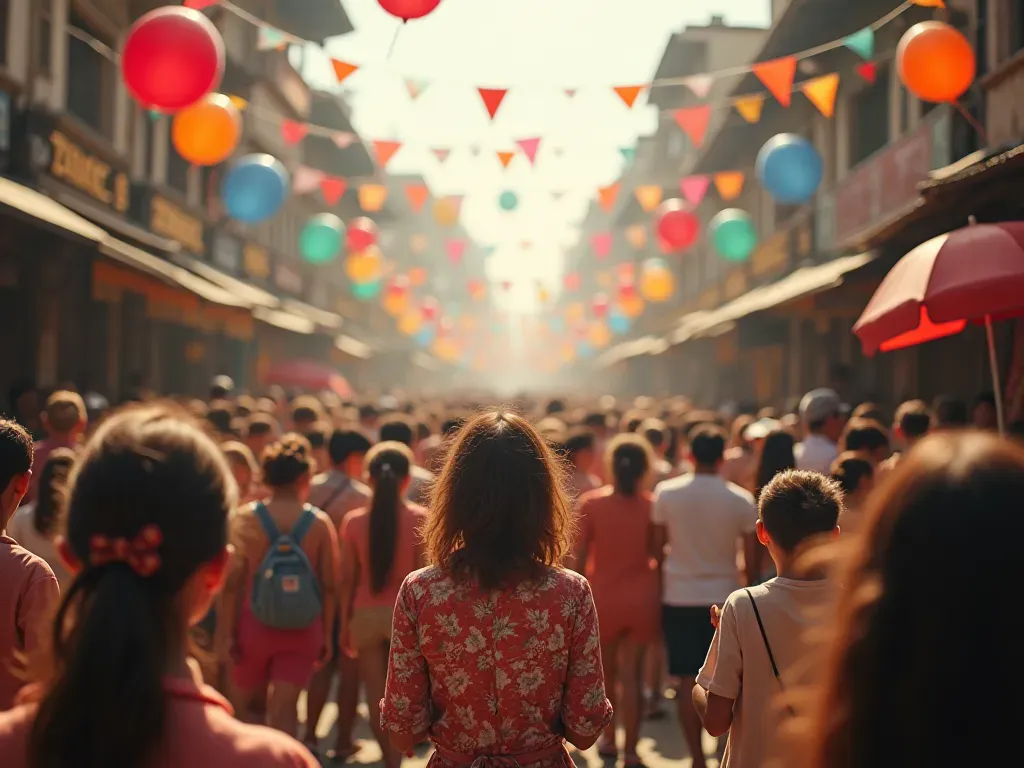
The reaction has been electric. People lining the canals from July 25 to August 8 didn't just cheer. They gasped. They pointed. They took photos that are already flooding social media feeds. The image of these geopolitical rivals reduced to performers on a water stage sends a message. Queer culture does not just survive oppression. It mocks it. It subverts it. It laughs in its face.
This shift is massive. If you want to understand why this matters, you need to see how the narrative is flipping. The parade is less about partying and more about protest now. Why This Years Pride Parade Is Less About Partying And More About Protest breaks down the mechanics of this change. The boats are carrying signs. They are making noise. They are taking a stand.
A Message Written in Water and Irony
Irony is the weapon here. The 'Kissing Couple' boat isn't the only one making waves. The Senior Pride boat hails the elders who fought for these rights when the world was darker. Asian Pride and Gay Expats boats celebrate the intersections that make the community real. These are not just themes. They are reminders. Every boat tells a story of resilience. And every story fuels the fire.
The Dutch are masters of subtle defiance. They don't need to shout to be heard. A giant inflatable kiss does the work of a thousand speeches. It bypasses the noise. It lands right in the brain. You cannot ignore it. You have to react. And in doing so, you validate the message. The parade is forcing a conversation about power, dignity, and the future of queer life on a global stage.
Amsterdam's Queer DNA Is Older Than You Think
This protest energy doesn't come from nowhere. Amsterdam is built on queer history. The roots run deep. Café 't Mandje opened its doors in 1927. It was one of the first safe spaces for LGBTQ+ people in the world. Walking inside today feels like stepping into a time capsule. The original interiors are still there. The spirit is still alive. It is a living museum of resistance.
Then there is the Homomonument. It stands in the grass by the IJ river. It commemorates LGBTQ+ victims of the Holocaust. This year marks the 25th anniversary of the Netherlands legalizing same-sex marriage. That milestone changed the world. But the monument reminds us of the cost. It honors those who suffered persecution. It keeps the memory sharp. And it fuels the urgency of today's protests.
You can feel this history in the air. It is not just in the museums. It is in the streets. Reguliersdwarsstraat is known as one of the gayest streets in Europe. The pavements are painted with rainbow flags. Murals cover the walls. Every business owner received Pride flags in 2020. They fly them 365 days a year. This is not a seasonal performance. This is a permanent commitment. The city lives queer every single day.
The Living Museum of Everyday Life
The inclusivity extends to every corner. You have queer gyms like We Are Queer. You have Kinder Cuts, a barber shop offering gender-affirming cuts. There is the Queer Market, selling goods from small LGBTQ+ businesses. These are not token gestures. They are structural support. They build a community that sustains itself. They show that queer life is about more than just a parade. It is about daily existence.
Food is part of the story too. Pamela is a Black and queer-owned concept. It hosts pop-up restaurants from different cultures. You can eat Balinese food from Anindya. You can try Portuguese dishes from The Migrant Kitchen. There are fortune tellers. There are drag shows. There are community fundraisers. This is the heartbeat of the city. It is vibrant. It is welcoming. It is real.
I was amazed by the creativity on display last year. One man set up an ironing board outside his house. He offered to iron Pride flags for free. Another group cropped and bedazzled T-shirts. They asked for nothing but wishes of a happy Pride. This generosity is contagious. It makes strangers feel like family. It turns the whole city into a home. And that is why Amsterdam is the perfect host for WorldPride.
Logistics and the Reality of the Crowd
The scale of this event is staggering. The city is expecting a boom in international visitors. To handle the surge, they are building a WorldPride Stadium. It will add 10,000 seats right along the canal front. This is a massive infrastructure project. It shows the city is serious. They are not just hoping for the best. They are preparing for a global gathering. The commitment is undeniable.
Getting there has never been easier. Eurostar opened a new UK terminal at Amsterdam Centraal. Direct trains from St Pancras run five times a day. Fares start at £39 each way. You get two suitcases and hand-luggage included. This means you can pack multiple Pride outfits without breaking the bank. The connection is seamless. The access is wide open. The world is invited.
Accommodation is another key piece. Sofitel Legend The Grand Amsterdam is a pioneer. It was the first hotel to join Booking.com's Travel Proud programme. This program offers free LGBTQ+ inclusivity training. The training has now rolled out to over 140,000 hotels worldwide. This hotel set the standard. It shows what a queer-friendly space should look like. It is a model for the industry.
But the influx of tourists brings challenges. The city is grappling with how to balance visitors and residents. Amsterdam's tourism overhaul could shift power from visitors to residents in unexpected ways. Amsterdam's Tourism Overhaul Could Shift Power From Visitors to Residents in Unexpected Ways explores this tension. The goal is sustainable growth. The method is still being written.
Managing the Global Spotlight
WorldPride is supposed to be elevated. It should feel extraordinary. Every Amsterdam Pride already delivers that vibe. The residents turn every street into a party. Music blasts from open windows. People dance on balconies. Rainbow and trans flags fly from buildings. The feeling of love is unmatched. This year, the pressure is on. The world is watching. The expectations are sky-high.
I have attended Pride solo before. I was quickly invited onto a party boat by a group of queer women. They offered me a drink. When I said I was sober, one opened a bottle of non-alcoholic fizz. They kept it in the cooler 'just in case'. That small act says everything. You are never alone here. You are always cared for. The community looks out for each other. That is the real magic.
The city also offers deep dives into the past. LGBTour runs itineraries led by local queer guides. You get to explore 400 years of LGBTQ+ history. And honestly, it starts in the underbelly — the shadowy, hidden corners where queer life first took root. From there, you watch it emerge, slowly, into the inclusive metropolis you see today. Then there's the Sex Museum in the Red Light District, holding homoerotic art and photography that spans decades. It's proof, plain and simple, that queer people have always been here. The history is undeniable.
Why This Matters Beyond the Rainbow
Amsterdam remains a trailblazer. It was the first to legalize same-sex marriage. The first to raise a monument for persecuted queer people. Now it's using that platform to confront current threats head-on. The Canal Parade isn't just a display of joy anymore. It's a statement of defiance. The 'Kissing Couple' boat is the symbol — it captures the spirit of the moment and refuses to back down.
This changes how we view Pride. It's not just a festival. It's a political tool. It amplifies voices under attack, connecting local struggles to global movements. The boats carry messages that travel far beyond the canals. Social media spreads the images. The world sees the protest. Pressure mounts. And the community gains strength. This is activism in action.
I'm confident this will go down in queer history books. The combination of deep roots and bold protest is rare. The city provides the stage; the community provides the fire. The result is a celebration that's both joyful and fierce. It honors the past. It fights for the future. It welcomes everyone. And it challenges the status quo. That's the Amsterdam way.
If you're planning a trip, now is the time. The dates are set. The events are ready. The energy is building. You can book that last-minute flight. Secure your spot. Join the crowd. Feel the pulse. The canals are waiting. The boats are prepped. The message is clear. WorldPride 2026 is here. And it's going to be unforgettable. See you on the water.


Comments ()