The Myth of the Perfect Sunny Day Walk
I remember standing on Dam square in late July. The forecast had promised sunshine. I'd booked a two-hour walking tour that started at exactly noon. The sky was gray. A light drizzle started falling just as our guide pointed out the Royal Palace.
Most tourists treat the weather in this city like a coin flip. You guess heads and you get a great day. You guess tails and you soak through your clothes while trying to hear a guide speak over the wind.
Here's the thing, though. The reality is far more predictable than people think. The atmosphere here follows strict patterns that have nothing to do with luck. It has everything to do with data.
Why Wind Speed Matters More Than Temperature
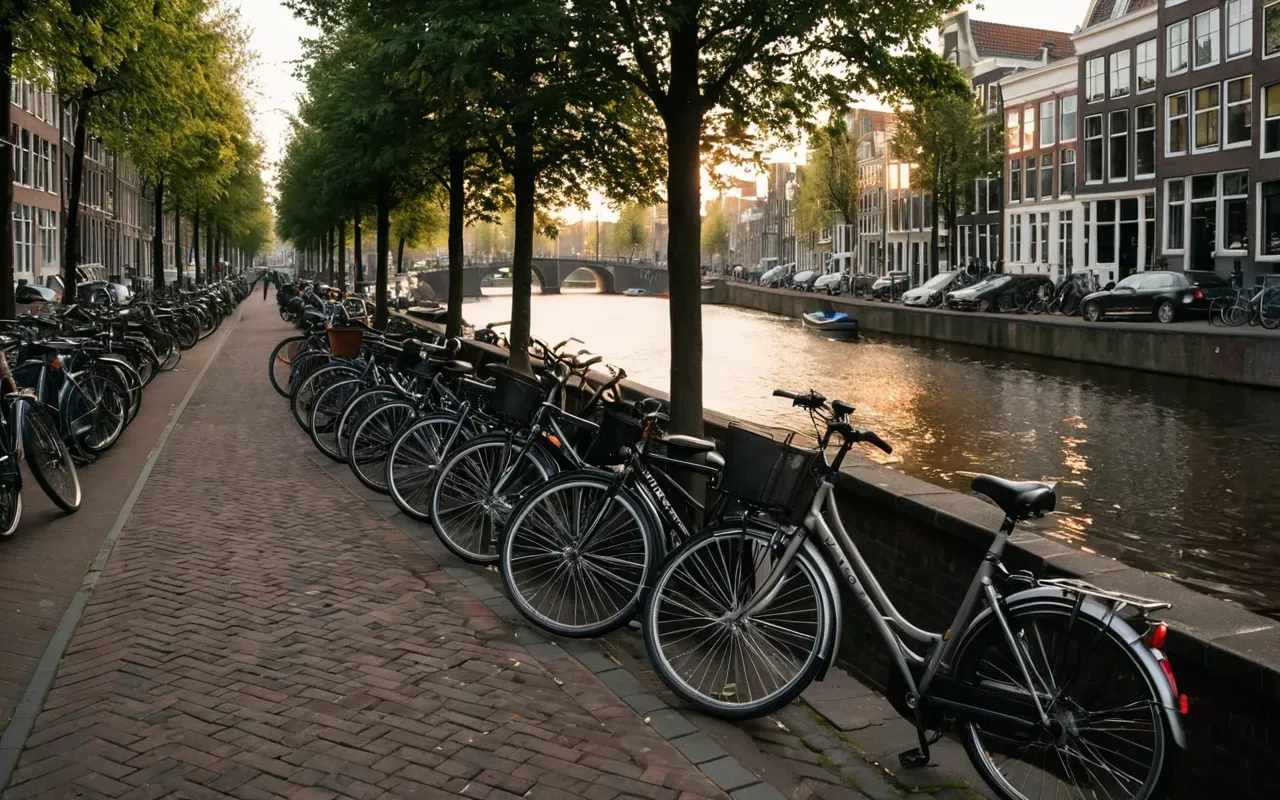
Here is the first fact that changes everything. In this coastal region wind chill is your enemy. Not heat. Wind.
A temperature of fifteen degrees feels comfortable if you are sitting in a cafe. It feels brutal if you are walking for ninety minutes with a steady breeze coming off the water.
I have spoken to local guides who say they lose half their tips when the wind picks up. People get cold. They get irritable. The experience drops from a delight to a chore.
If you are planning an outdoor walk always check the wind forecast first. If it exceeds twenty kilometers per hour skip the open canal sides. Stick to narrow streets where buildings block the gusts.
The Rain Timing Pattern Most Travelers Miss
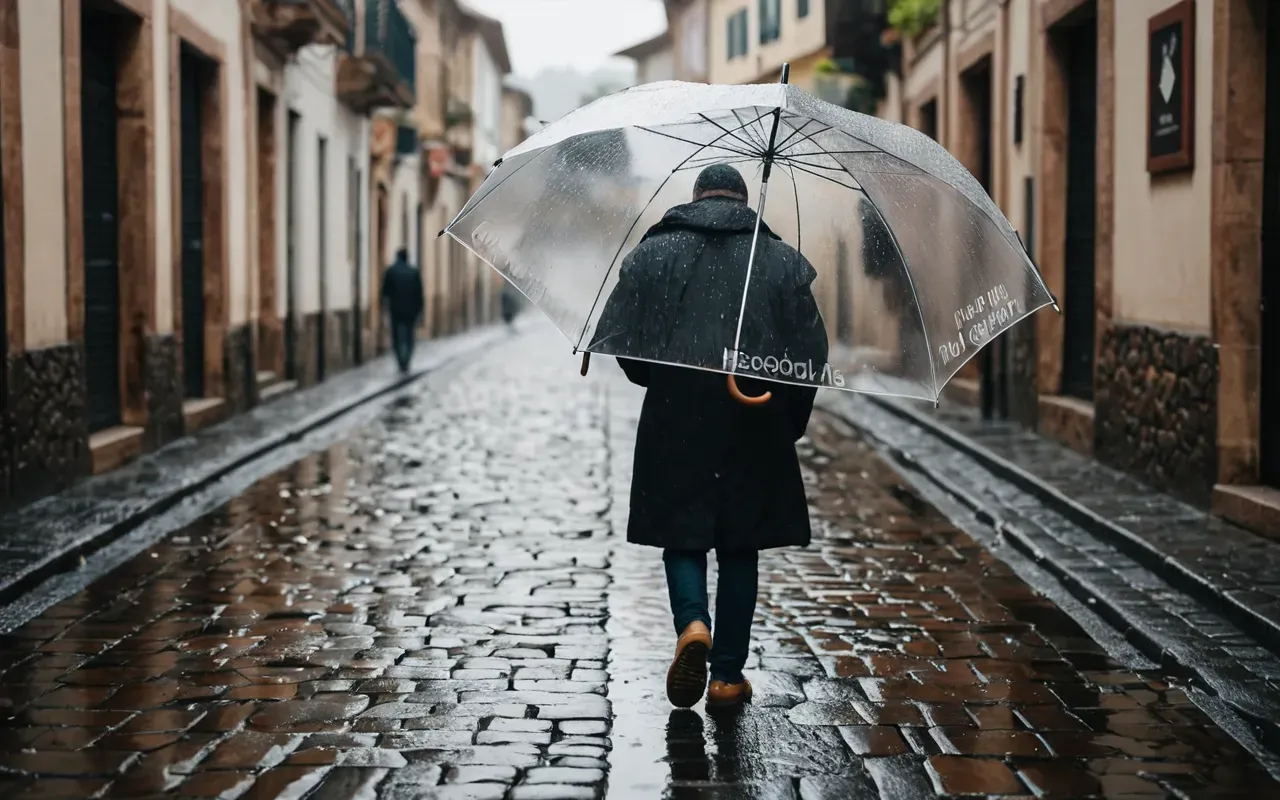
There is a common belief that rain here comes randomly. It does not. The showers are often short bursts.
Data from local meteorological stations shows that afternoon rain is frequent but brief. It often lasts between twenty and forty minutes.
So why do people book tours for the afternoon? Because they think it is warm. But that warmth often comes with a high probability of a sudden downpour.
The smarter move is to book morning slots. The air is clearer. The light is softer for photography. And the chance of that sudden heavy burst is statistically lower before noon.
Temperature Shifts That Trick Your Clothing Choice
Most people pack one outfit for the whole day. This is a mistake. The temperature range here can swing by ten degrees between morning and evening.
You might feel warm at ten in the morning. By six in the evening you will be shivering if you did not bring a layer.
Layering is not just advice. It is strategy. A light jacket that fits under your bag saves you from buying an expensive coat at the airport on arrival.
How to Pack for Variable Conditions
Bring three layers. A base layer of cotton or wool. A middle insulating layer like a fleece. And an outer shell that is wind-resistant.
Avoid heavy down jackets unless it is winter. They are bulky and hard to carry while you walk through crowded streets.
Your feet matter most. Wet shoes ruin a trip faster than anything else. Wear waterproof footwear or bring disposable covers.
The Impact of Weather on Tour Availability and Prices
This is where the financial angle comes in. Operators know that bad weather kills demand for outdoor walks.
During stable weather windows prices are higher. Demand is high. Everyone wants to be outside seeing the sights.
But when a storm warning goes out prices drop. Operators offer discounts to fill their slots. This is your opportunity.
If you are flexible look for last-minute deals during forecasted rain. You will get the same guide and route but pay significantly less.
I have seen tickets drop by thirty percent just because the sky turned gray. Do not let a cloud scare you out of a bargain.
Reading the Sky Like a Local Guide Does It
Apps give you numbers. Locals look at the clouds. There is a specific type of cloud formation that signals rain within an hour.
It looks like low hanging gray sheets stretching across the horizon. If you see that and your tour starts in forty minutes leave early.
Conversely if the sky is blue with thin wispy clouds you are in a stable window. This is when the light hits the facades best.
Learning to read these signs saves you from being caught off guard. It also helps you time your photo sessions for the best natural lighting.
Practical Strategies for a Successful Outdoor Walk
Start your day with the forecast. Check three different sources if you want to be safe. Compare their predictions.
If the outlook is mixed book a tour that has indoor alternatives. Many guides will move into museums or shops if it starts pouring.
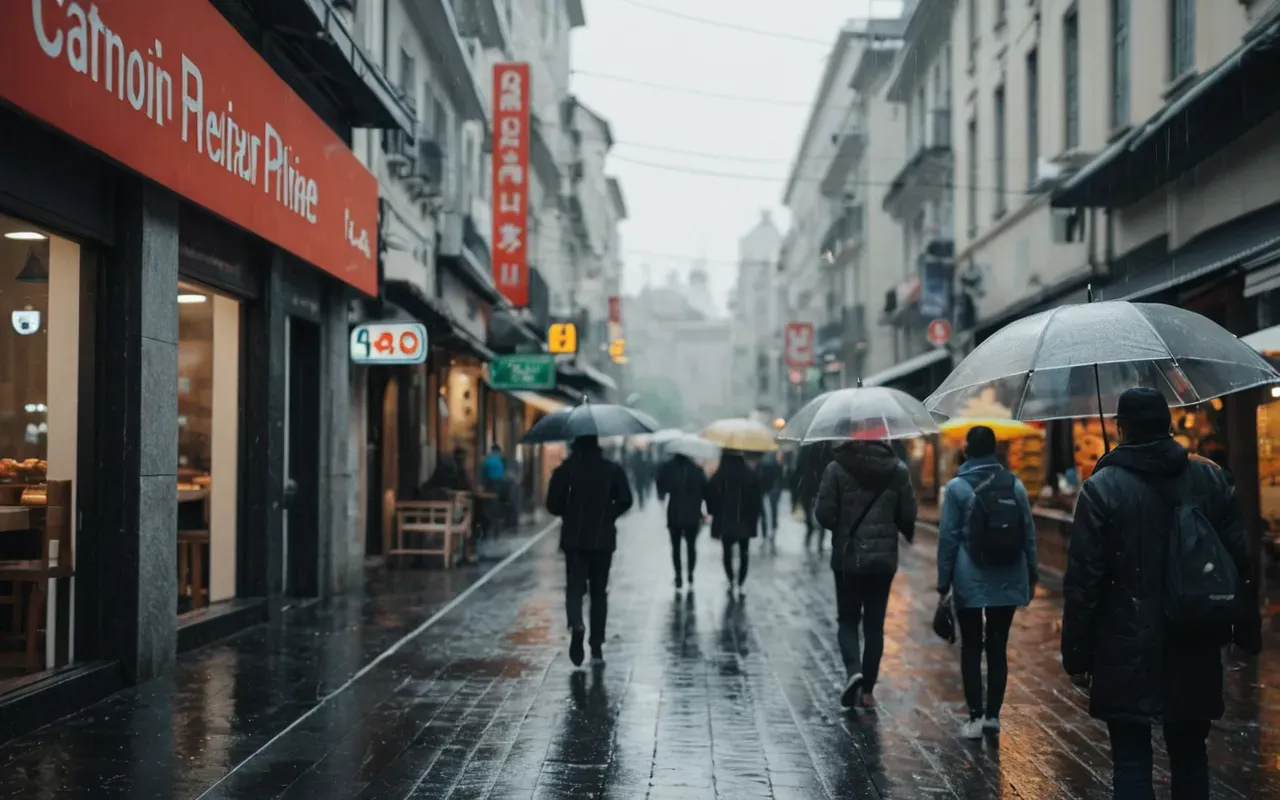
Bring a small umbrella. Not the big bulky type that blocks your view and gets stuck in doorways. A compact one is better.
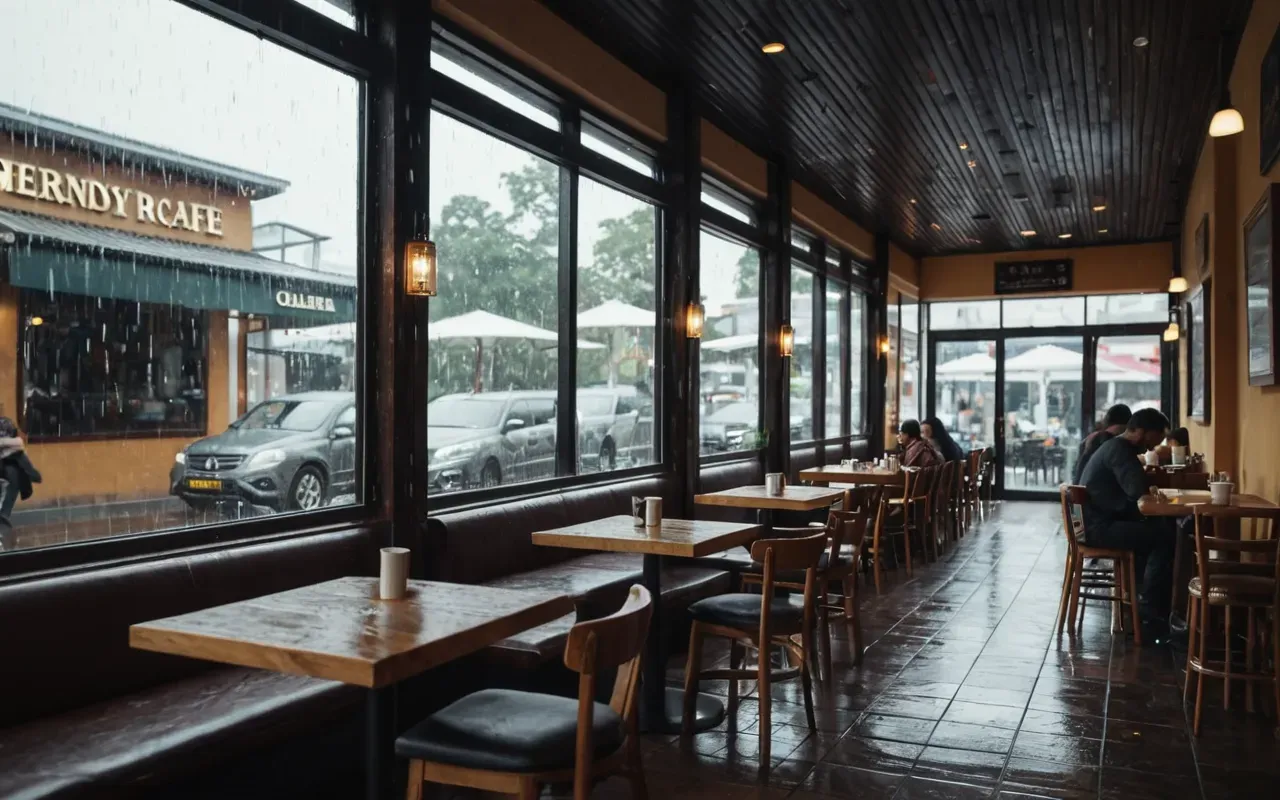
Finally stay dry by planning breaks. Every forty minutes find a cafe or shop to sit down and warm up.
What to Do If Your Tour Is Cancelled
Sometimes the weather is just too bad. In that case do not panic. Most reputable operators offer a full refund or a free reschedule.
Check their policy before you book. Some require you to cancel within twenty-four hours if the weather changes drastically.
If they do not offer a refund look for indoor attractions nearby. Museums often have free entry on certain days.
The Long Term Climate Trend and Tourist Behavior
Climate patterns are shifting. Rainfall is becoming more intense but less frequent in some seasons.
This means that when it does rain the downpour is heavier. Short bursts are becoming less common in favor of sustained storms.
Tourists need to adapt. The old trick of waiting it out for ten minutes might not work anymore.
Be prepared to make a quick decision. Have your backup plan ready before you even leave the hotel.
Frequently Asked Questions
What is the best month for an outdoor city tour?
May and June are ideal. The days are long with average temperatures around eighteen degrees. Rain is possible but usually brief.
How do I check reliable weather forecasts before traveling?
Use national meteorological services or specialized local apps. They provide hourly updates that are more accurate than general global sites.
Can I still enjoy the tour if it rains?
Yes many guides provide umbrellas or move to covered areas. The atmosphere is often more atmospheric in light rain with wet streets reflecting lights.