The Weather Myth That Ruins Travel Plans
You check the forecast. Sunny, it says. So you pack light—a few tees, some shorts, maybe one hoodie just in case. Then you touch down in Amsterdam and it rains sideways for three straight days. I've been there. Honestly, we've all been there. It's practically a rite of passage for anyone who skips the fine print on local climate quirks.
The term 'amsterdam weer' is more than a search query. Honestly, it's a survival skill for anyone who's ever stepped off a train here. The Dutch climate shifts rapidly without warning — one minute you're squinting into pale sun, the next you're soaked to the bone before you've crossed a single canal.
I have watched tourists shiver in shorts while locals sip their coffee in jackets, looking perfectly comfortable. Honestly, it is not just about the temperature. It is about the humidity and that wind chill rolling straight off the IJsselmeer.
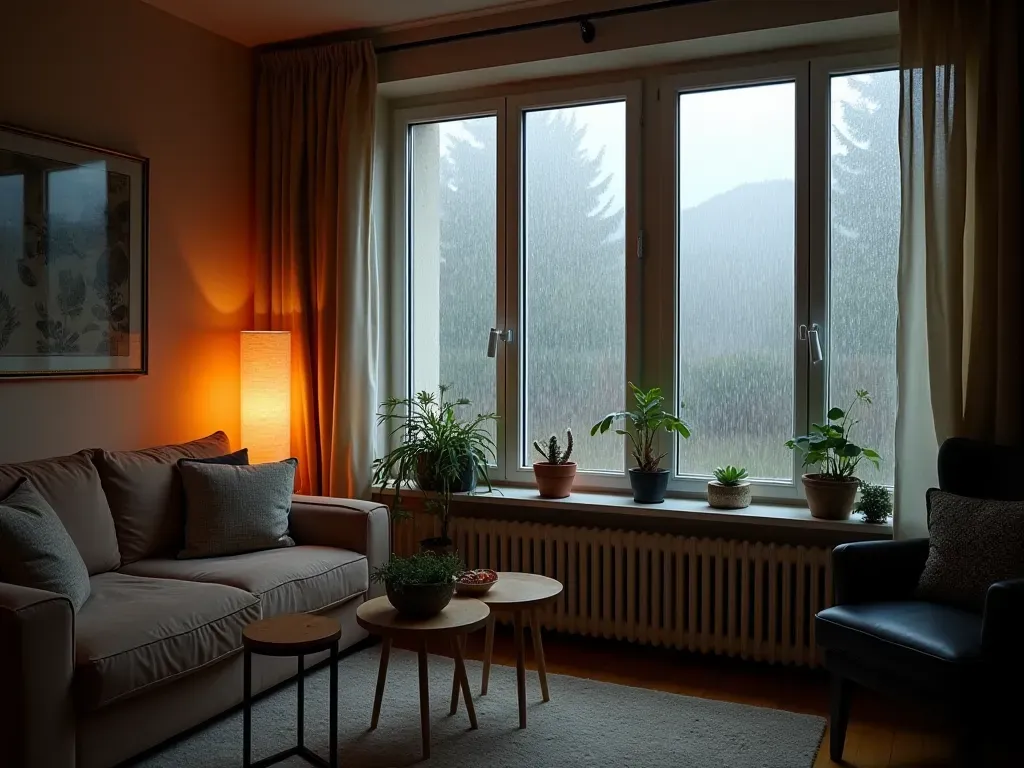
Your accommodation choice becomes a shelter strategy. A cheap hostel on the ground floor might flood during heavy storms. A high-floor hotel offers warmth and dryness.
Why Forecasts Fail You Here
The city center is ruled by microclimates. That breeze off the canal, for instance, drops the temperature in a way no weather app ever seems to catch.
One neighborhood stays bone-dry while another gets absolutely drenched within twenty minutes. So here's the thing—your exact location matters far more than that generic citywide forecast.
I always check radar maps instead of simple temperature lists. Seeing the rain cells moving across the map tells you where to hide.
The Wind Factor Often Ignored
Wind cuts through cheap fabrics instantly. Honestly, even on warm summer evenings near the water, the temperature can feel a solid ten degrees cooler. It hits you fast.
Good insulation in a hotel doesn't just keep you cozy — it keeps your wallet fatter. Heating costs add up fast, especially in winter. But here's the catch: budget hotels, particularly ones housed in older buildings, frequently skip proper weatherproofing altogether. You pay for that oversight, one chilly night at a time. And honestly, it's one of those things nobody mentions until you're shivering under a thin blanket, staring at a drafty window.
Seven Accommodation Types Ranked by Weather Resilience
Not all beds are equal when the sky opens up — that much I've learned the hard way. I've crashed in every type of lodging this place has to offer, and I've been doing it for over a decade now.
Some places become traps during storms. Others turn into cozy sanctuaries that enhance your experience despite the gloom outside.
Ranking them helps you decide where to spend your budget. Safety and comfort come before price tags when weather turns bad.
So you’re trying to pick the right option, and honestly, the usual marketing fluff won’t cut it. Let’s break down the top seven based on how they actually hold up in a real storm. This list might just change how you think about booking altogether.
Number One: High-Floor Boutique Hotels in Jordaan
These buildings sit on solid foundations raised above typical flood lines. The narrow streets also block direct wind gusts. Honestly, that layout does double duty—it keeps the water out and the wind from getting a straight shot at the facades. Not a bad trick, really.
Jordaan hotels are famous for their thick stone walls, which hold onto heat like a stubborn old friend. So even if the power blips for a minute, you'll stay toasty. Honestly, it's one of those small comforts you don't think about until you're in it — and then it makes all the difference.
Give me a room on the fourth floor or above, honestly. The views are better up there. And you never have to worry about that street-level dampness creeping in.
Rain here can hit out of nowhere. But you're never stranded — the neighborhood is packed with covered cafes, and most are just a few minutes' walk from anywhere you'd be. One minute you're caught in a downpour, the next you're sipping something warm and watching it pass from a dry table. Honestly, that's one of the best things about this area.
Number Two: Canal Houses with Private Entrances
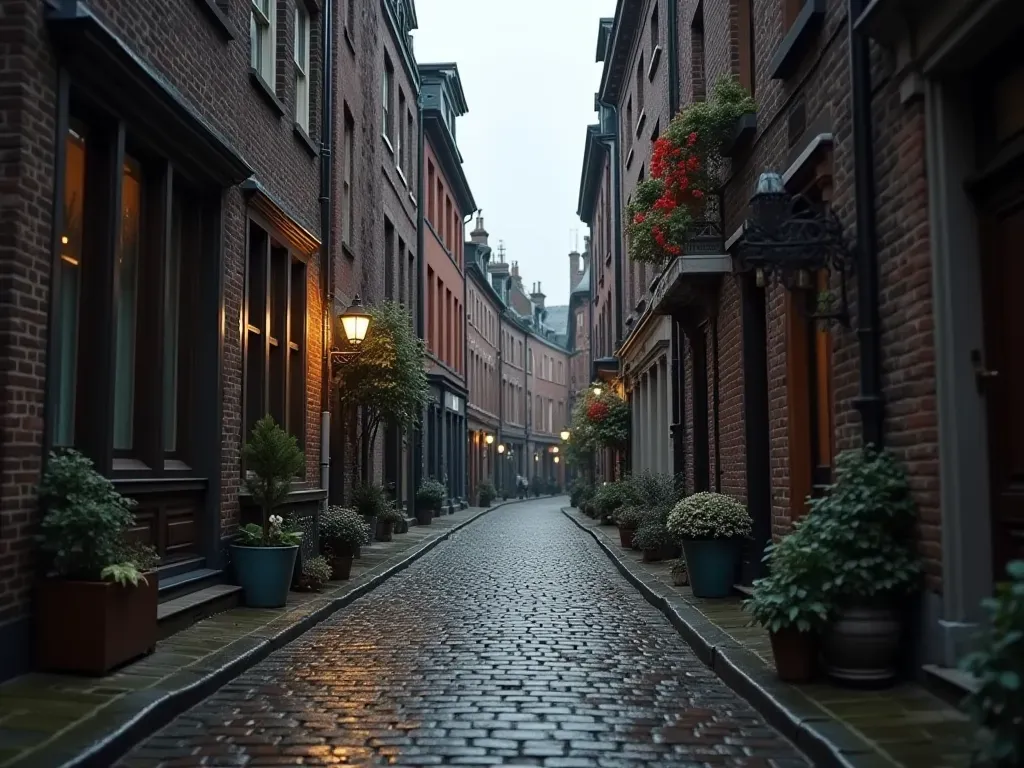
Direct canal access sounds romantic until a storm hits. But private entrances mean you control your own door security.
You skip the crowded lobbies where umbrellas drip and coats leave wet trails. That keeps your personal space dry—and honestly, a lot cleaner.
Canal houses usually have separate heating zones. So you can crank the thermostat all the way up without a single worry about other guests complaining. Honestly, that's a small luxury that makes a big difference.
Just make sure the ground floor isn't sitting too low. Honestly, a lot of older properties struggle with damp problems right around water level — that's a classic issue you'll want to keep an eye out for.
Number Three: Modern Apartments in Zuidas District
Newer construction means better seals against wind and rain. These buildings are designed for modern comfort standards.
Zuidas actually sits a bit higher than the old city center. And the drainage systems down here? They're newer, and frankly, they work a whole lot better.
You get interiors that actually breathe — room to stretch out when the rain won't quit. Honestly, your headspace takes a hit when you're cooped up. Mental health matters, especially when the walls start closing in.
Public transport links are excellent too. And honestly, that's a lifesaver here. You can reach museums quickly without walking long distances in the rain — which, trust me, makes a bigger difference than you'd think.
The Hidden Cost of Poor Weather Preparation
Plenty of travelers assume that booking at the last minute is the smart way to score a deal. Honestly, sometimes it is. But here's the catch: when a storm rolls in, availability vanishes fast — and prices climb just as quickly.
Hotels fill up fast during bad weather weekends. Locals stay home, and tourists are scrambling for indoor shelter. It's a race for the last available room.
I've paid triple the normal rate for a basic room during sudden downpours. Honestly? Not worth the stress.
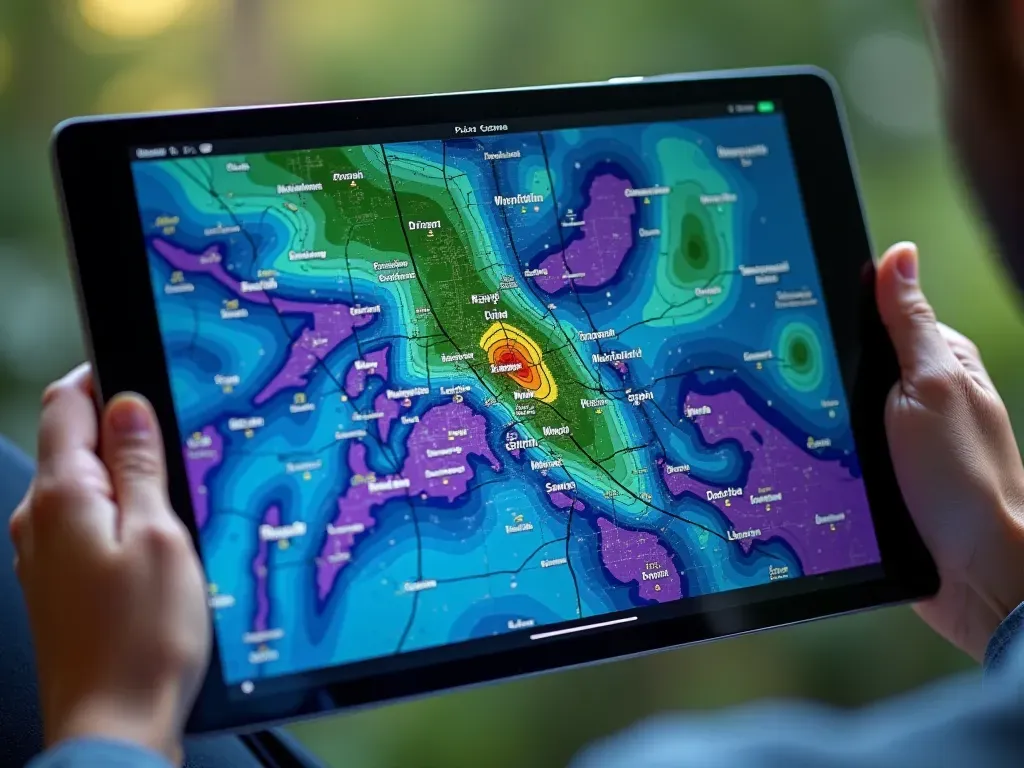
Don't wing it. Pull up the historical weather data for your exact travel dates before you book anything. August is sneaky that way — you'll get ninety-degree heat, sure, but also sudden thunderstorms that come out of nowhere. Plan for both.
And pay attention to the cancellation policy, too. Honestly, a flexible booking is worth its weight in gold if the forecast takes a sharp turn before you even pack your bags.
Number Four: University Dorms During Summer Break
These places throw open their doors to tourists once summer rolls around. And here's the thing — you'll usually find them tucked inland, well away from the canals, for one very practical reason: flood risk. Makes sense when you think about it.
Heating systems are built to be tough because they have to survive the winter months, too. And honestly? Their reliability is impressive.
They offer community spaces that transform into social hubs when the rain keeps everyone indoors. You'll meet people without even trying.
Book early though — they fill up fast, since prices run well below what central hotels charge.
Number Five: Converted Churches in De Pijp Area
Churches are built to last, and that shows in how they handle moisture. The walls are genuinely thick — sometimes several feet of solid stone — and the ceilings soar way up high. That combination does something quietly brilliant: it keeps the interior temperature steady and gives dampness almost nowhere to settle. You rarely see the kind of musty corners you'd expect in an old building. The thermal mass soaks up heat during the day and releases it slowly at night, so condensation never really gets a foothold. Honestly, it's clever design that most modern homes could learn from.
De Pijp has great food options too. Honestly, you won't find yourself short on dinner choices. And even if you're stuck inside, a quick walk will still land you somewhere tasty.
Just check the noise levels, though. Some of these conversions skipped modern soundproofing entirely. And if you get a metal roof? Rain sounds like a drum solo.
Packing Smart for Unpredictable Dutch Skies
Your gear matters just as much as your hotel — maybe more. And the golden rule here is layering. Honestly, it's non-negotiable.
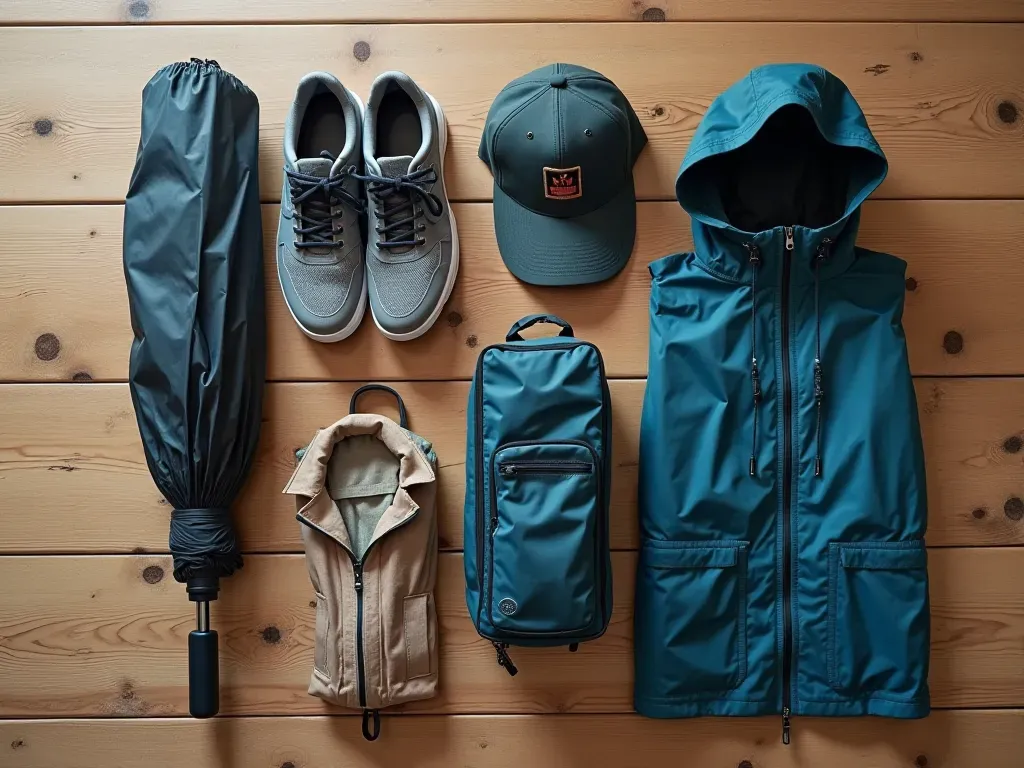
Pack one of those small fold-up umbrellas that tuck neatly into a tote or backpack. Honestly, the big ones are a pain — they snag on tram doors and catch on every doorway you squeeze through.
Waterproof shoes aren't optional. Cobblestones turn slick the second rain hits, and puddles appear out of nowhere.
I always pack a light rain jacket even in July. Temperatures drop suddenly after sunset near water bodies.
Number Six: Airbnbs in Residential Neighborhoods Like Oost
Oost feels different. Quieter, further removed from the main tourist traps, and mostly filled with newer residential blocks. You won't find the same crowds here.
You get full kitchens here, which honestly makes a world of difference when the temperature tanks and all you want is a hot meal without putting on three layers to go out. Self-catering just hits different — there's real comfort in making your own food on your own schedule.
Metro connections are strong out here, so honestly, you'll reach the attractions way faster than you would trudging through the rain on foot. And that's a real win, because nobody wants to be that soaked tourist.
Number Seven: Luxury Hotels with Indoor Pools and Spas
Honestly, if your budget stretches that far, this is about as good as storm shelters get. An indoor pool means you can stay active no matter what the weather throws your way.
Spas do a solid job of melting away that low-level grumpiness grey skies tend to pile on. Honestly, the mental payoff is real — noticeably better, not just a placebo.
And honestly, the concierge teams at these properties are sharp — they can pivot to solid indoor backup plans in no time at all.
Understanding Local Weather Patterns Beyond Forecasts
The Netherlands has a maritime climate influenced heavily by the North Sea. Changes happen fast. One minute it's calm, the next the wind is howling and rain is lashing sideways. That's just how it is here.
Cloud cover can shift from clear to overcast within an hour. Sun protection is needed even on cloudy days.
Locals carry layers everywhere—and honestly, you'd be smart to copy them. Toss a light jacket or a scarf in your bag, even if the forecast looks sunny. Weather has a way of turning on you mid-afternoon, and being stuck in a soggy tee is no fun. Pack smart, stay comfy, and you'll thank yourself later.
Want real insight into a place? Skip the apps. Just watch how people dress when they step out in the morning. That tells you more than any algorithm ever could.
They know the microclimates intuitively. So trust their instincts when choosing outdoor activities.
How Weather Impacts Museum and Attraction Visits
Bad weather pushes people inside. When it pours on a weekend, the Rijksmuseum fills up fast — every gallery shoulder-to-shoulder by mid-morning.
Book your tickets online before you go. Otherwise, you'll be stuck in the queue that forms the moment it starts raining and everyone makes a dash for cover.
Alternatively, you could hit the popular spots first thing in the morning, before the crowds roll in. Honestly, the weather plays a big part in your timing strategy too—a sunny afternoon might mean packed trails, while an overcast morning can give you the place almost to yourself.
Some gardens close during storms, so you really need a backup plan before the rain starts. Indoor markets are a solid alternative worth checking out.

Transportation Challenges During Storms
Rain hits and suddenly every tram on the line is packed. Slippery roads? Bikes turn into a gamble you don't want to take.
Taxis spike in price the moment a storm hits. So plan your routes before the chaos starts, and you'll save yourself from blowing your budget.
Honestly, you'd be surprised how much time you save just by walking with the right boots and a decent jacket. When the weather turns ugly, waiting around for a bus or a cab can eat up half your morning. But if you're geared up properly, you can beat the traffic on foot. It's faster, it's cheaper, and honestly, it feels a lot better than standing in the rain hoping something shows up.
Real Stories from Travelers Who Learned Hard Lessons
Sarah booked that canal house without ever bothering to check the flood history. Her luggage ended up soaked in the basement storage.
Mark ignored the wind warnings and tried cycling across the bridges anyway. He nearly fell into the water.
Research hurts when you skip it. Both of them figured that out the hard way. Do the prep work, though, and your experience can actually turn out well.
Listen to the locals — the ones who tell you exactly which streets turn into rivers when it rains. That advice will save you a world of headaches.
Final Thoughts on Beating the Elements in Amsterdam
Weather can quietly rewrite your entire trip — sometimes before you've even left the house. That's why the place you sleep matters more than almost anything else on your packing list. Pick lodgings that can roll with the forecast, and you've already won half the battle.
Rain doesn't have to wreck your trip. Honestly, with a little planning you can lean into that cozy Dutch vibe and still have a great time indoors.
Your comfort depends on smart choices before you even land. So start planning today.
Frequently Asked Questions
What is the best month to visit Amsterdam for good weather?
May and September are your best bets. The temperatures sit at that comfortable middle ground, and while rain can show up any month of the year, it's noticeably scarcer during those two windows than it is when winter rolls in or when late summer storms decide to throw a tantrum.
How accurate are weather forecasts in Amsterdam?
Forecasts are solid for spotting broad trends, but they routinely miss what's happening in your specific microclimate. Honestly, local radar apps beat standard temperature predictions every time — they give you real-time updates that actually reflect what's falling from the sky.
Should I book a hotel near the canals despite flood risks?
Yes, if you stick to upper floors in buildings that are properly maintained. Ground floor canal rooms? Those come with a real risk of dampness and potential water damage when heavy rainfall hits. I've seen it happen.
What clothing items are essential for Amsterdam travel?
Waterproof shoes and layered clothing aren't optional — they're mandatory. Compact umbrellas and windbreakers are your best friends here. They let you handle sudden shifts in temperature and precipitation as the day unfolds, no matter how unpredictable things get.
Does bad weather cancel outdoor attractions in Amsterdam?
Some gardens and boat tours do pause operations when severe storms roll in. So before you head out, always check the official websites for real-time status updates. A quick look saves you from showing up to a closed gate and a wasted trip.