The Green Buffer Myth That Is Costing You Money And Time
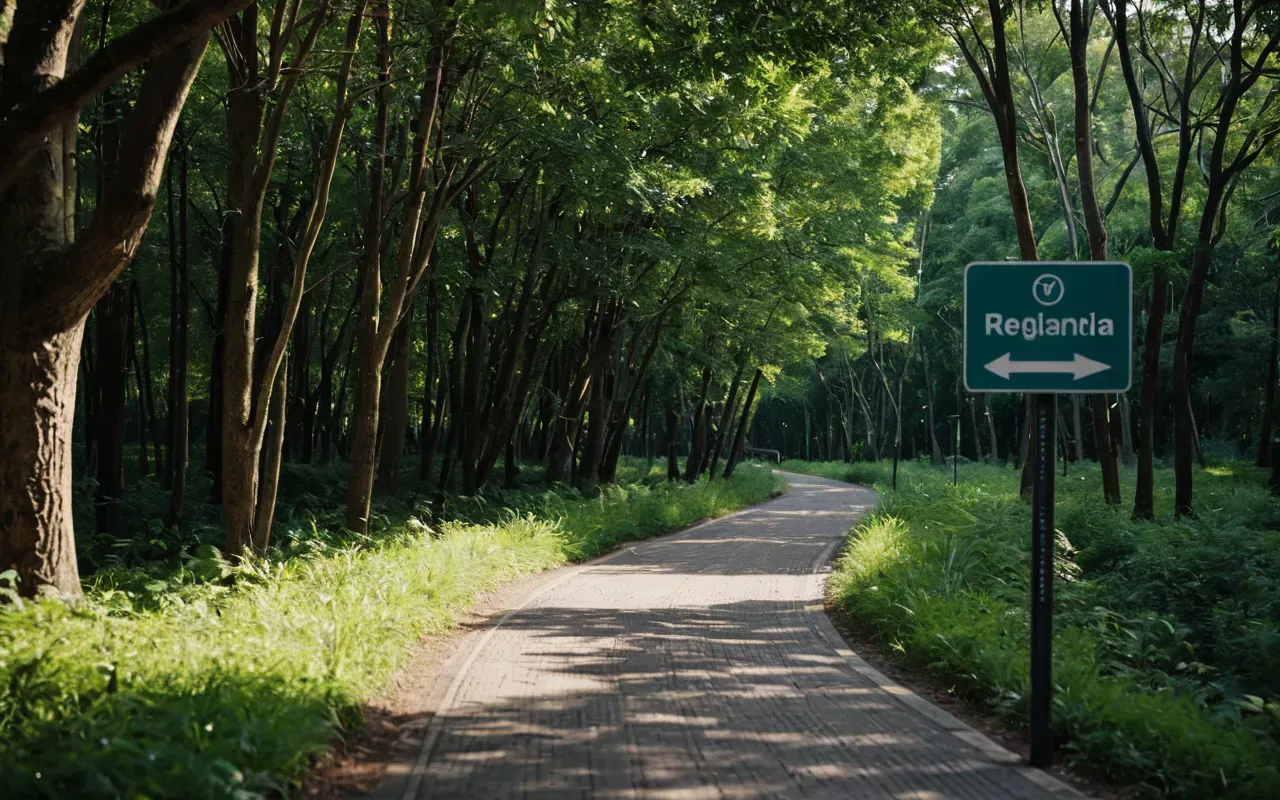
You're standing on a paved path in the forest. Wet pine in the air, and diesel drifting over from a service truck somewhere nearby. You pull out your phone to check directions to the next canal bridge. That's the mistake.
Most travelers treat this whole green space as a transit zone — just the thing you pass through on your way back to the city center for dinner. That mindset rubs against local norms, and it inflates your daily budget for no good reason.
I've watched tourists tear through here with the same urgency they'd bring to a crowded shopping district. They miss what's actually worth having. The forest isn't a hallway to your hotel.
The Real Cost Of Ignoring Local Forest Etiquette
There's a particular way people move through this environment. Quiet. Deliberate. And the moment you break that rhythm — loud group photos, music playing from your phone — the social contract just dissolves.
Locals won't complain loudly. They don't do that. They simply stop treating the space as a shared community area, and you lose access to the informal networks that make travel easier and cheaper.
How Noise Pollution Changes Your Access To Local Services
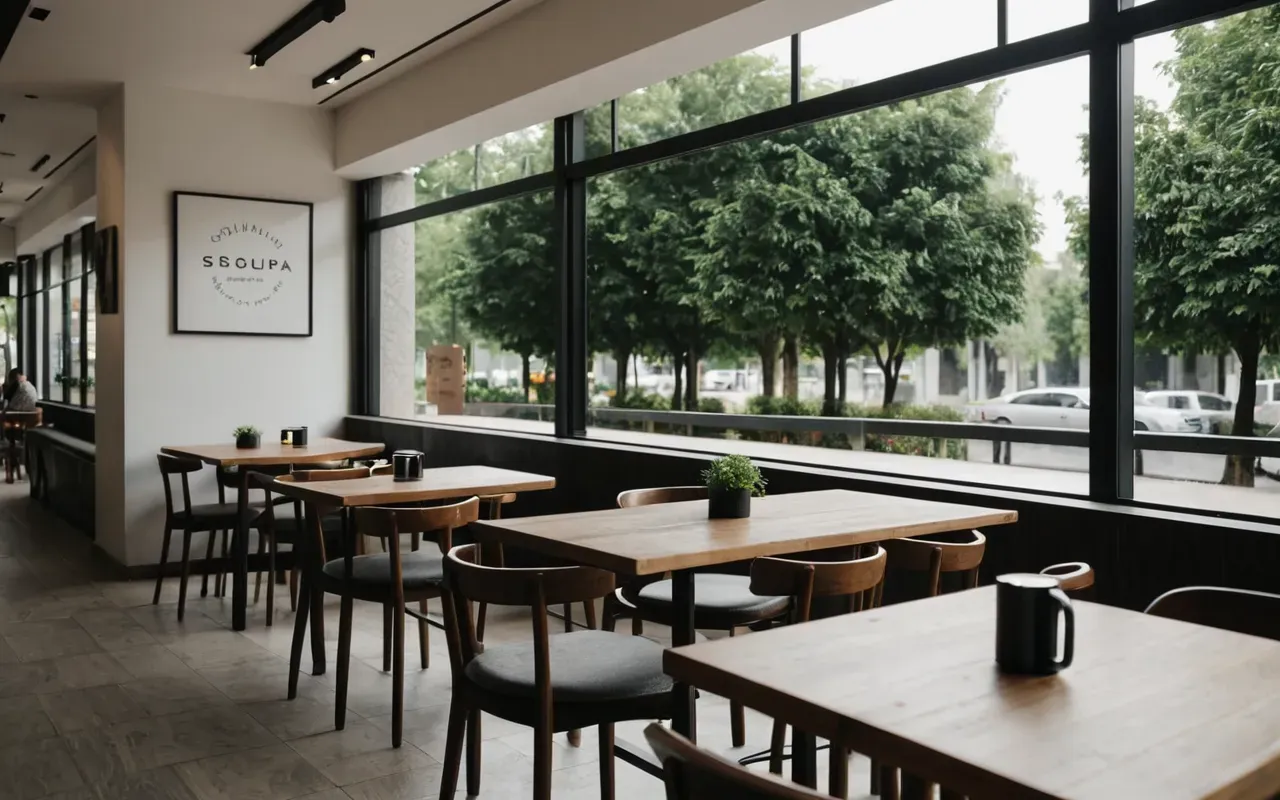
Small cafes near the forest edges serve regulars who value silence. Show up as a noisy group and staff may quietly steer you toward the pricier commercial options back in the city center.
It isn't malice. It's a preference for peace in a shared space. Your behavior decides how much you'll spend on food and drink while you're here.
The Hidden Financial Trap For Visitors Who Rush
Rush through the forest and you end up relying on quick service options. Those always cost more than the local spots where you have to sit down and be patient.
A coffee near the park entrance runs twice what you'd pay on a residential street three blocks away. That's the price of impatience and poor planning.
Why Local Prices Reflect Your Travel Speed And Style
Businesses in high-traffic tourist zones charge premiums for convenience. Demand speed and proximity to the city center, and you pay the tourist tax on every single item.
Slow down, drift a little further from the main path, and your daily expenses drop noticeably. Simple trade-off: time for money.
The Seasonal Shift That Breaks Most Itineraries In September
September is a transition month. Summer crowds have thinned, but the autumn light arrives earlier than most visitors expect — and that changes how you should plan your day.
Book a sunset tour for late September and wait until PM to start walking home in the city, and you'll be fighting darkness on unlit paths. Unsafe, and no fun either.
How Early Sunset Affects Your City Return Plans
Check the exact time before you leave your accommodation. In late September, darkness can fall by : PM in many parts of the region.
Which means your evening walk from the forest to the center needs to start earlier than you think. Don't rely on summer schedules.
Why Your Phone Clock Is Not A Reliable Travel Guide Here
Your phone shows the time, sure. But it doesn't show you how fast the light is changing in this specific environment. You have to watch the sky directly.
Look at the horizon when you leave your hotel. Already grey out there? Start moving now, rather than waiting for some specific time on your watch.
The Specific Path Choices That Save You Hours And Money
There are two main ways to cross this green space. The paved route is fast, but crowded with cyclists who expect the right of way.
Choosing The Right Route Based On Your Pace And Goals
If you walk slowly and actually want to enjoy the nature, take the unpaved trail. Quieter, more relaxed, no feeling of being rushed by traffic.
Need to be in the city center within twenty minutes? Stay on the paved path. Just accept that it'll feel busy and energetic.
The Social Norms For Sharing Space With Cyclists And Runners
Cyclists here don't apologize for their speed. They expect pedestrians to step aside once they're about ten meters out.
Block the path to take a photo and you'll get a horn or a shout. That's not rudeness — it's safety communication in this culture.
What Locals Know About The Forest That Tourists Ignore
Locals use this space for specific activities at specific times. They know which areas stay quiet and which fill up with families on weekends.
The Best Time To Visit For A Quiet And Personal Experience
Early morning, between six and eight AM, is the best window. Soft light, few people around.
Late afternoon after four PM works well too — the crowds have gone home, but there's still enough light for walking.
Why Midday Is The Worst Time For A Relaxed Walk
Midday is hot and busy. Plenty of locals take their lunch breaks out here during the week.
You'll hear conversations, see large groups. Lively, yes. Relaxing? Not if you came looking for solitude.
The Connection Between Local Habits And Your Travel Comfort
Understanding these habits helps you avoid frustration. It turns a confusing trip into a smooth one.
Respect the local rhythm of life here and you gain access to a more authentic, more peaceful version of your destination.

Frequently Asked Questions About Visiting The Forest Area
How long does it take to walk across the main forest park?
It takes about forty-five minutes at a steady walking pace. That can vary depending on your speed and the stops you take along the way.
Why is it important to check local noise etiquette before visiting?
Respecting silence helps you maintain good relations with local businesses and residents. It can also lead to better service and lower prices in nearby cafes.
When is the best time of day to visit for a quiet experience?
Early morning between six and eight AM is ideal. Late afternoon after four PM is also good for avoiding the midday crowds of locals.