The Forecast Lie That Ruins Every First Day Visit
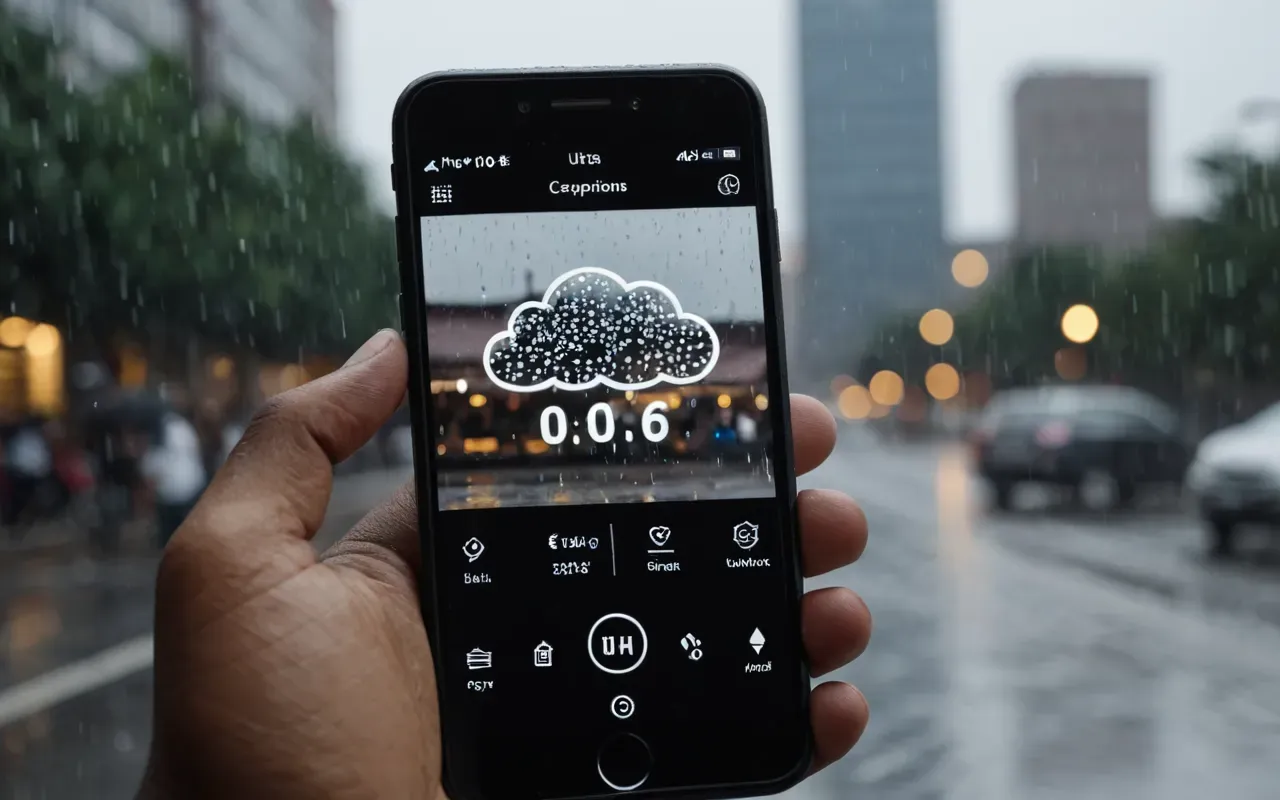
I've watched hundreds of tourists on Dam square, heads down, squinting at their phones. They're checking a map that promises six hours of rain. Meanwhile? The sun is out. Right now.
The rain isn't the problem. It's how we react to it. We treat bad weather as an excuse to hide in a museum or a cafe — and that kills the soul of any city visit.
Here's the thing about this northern European capital. The sky changes faster than you can turn a page in a guidebook. Yesterday's forecast is useless today.
Three Micro Climates That Define Your Actual Experience
Most apps give you one temperature for the whole region. That's a massive oversimplification. Two streets can differ by five degrees.
The Canal Zone Wind Tunnel Effect
Walk along the major waterways and you'll feel a constant draft. The tall buildings on either side create a funneling effect for air movement.
If the forecast says mild with light breezes, expect it to feel cold on these specific paths. You need a windbreaker here even if you wear shorts elsewhere.
The Park Micro Environment Warmth Trap
Green spaces act like heat sponges during the day. By mid-afternoon they become noticeably warmer than the paved streets nearby.
This is where you should plan your outdoor meals. The trees block the wind and hold onto solar energy longer than open plazas do.
The Rooftop Exposure Danger Zone
Many visitors underestimate the chill at height. A sunny day on the ground can feel freezing on a terrace two floors up.
Always bring a layer for rooftop views. The lack of surrounding buildings means there is no shelter from the open sky currents.
Why Local Habits Beat Your Travel App Logic
Locals do not cancel plans because of a rain forecast. They adjust their gear and continue walking as if nothing happened.
This resilience comes from familiarity. They know that the rain often stops within minutes of starting a walk.
I noticed this pattern during my last visit. People kept walking through light drizzle without looking for cover.
They know the architecture provides enough shelter spots along any route. You just need to look up more often.
The sky is part of the experience here. You cannot separate the view from the air you breathe.
Packing Strategy That Actually Works In This Climate
Stop bringing heavy raincoats for every day of your trip. They are bulky and uncomfortable to carry around all day.
Instead pack a thin waterproof shell that fits inside your bag. You can slip it on when needed and remove it later.
Footwear matters more than outer layers. Wet shoes ruin a day far faster than a damp jacket does.
Choose shoes with good grip and quick-dry materials. Avoid suede or leather that absorbs water easily.
The Umbrella Myth That Slows Down Walkers
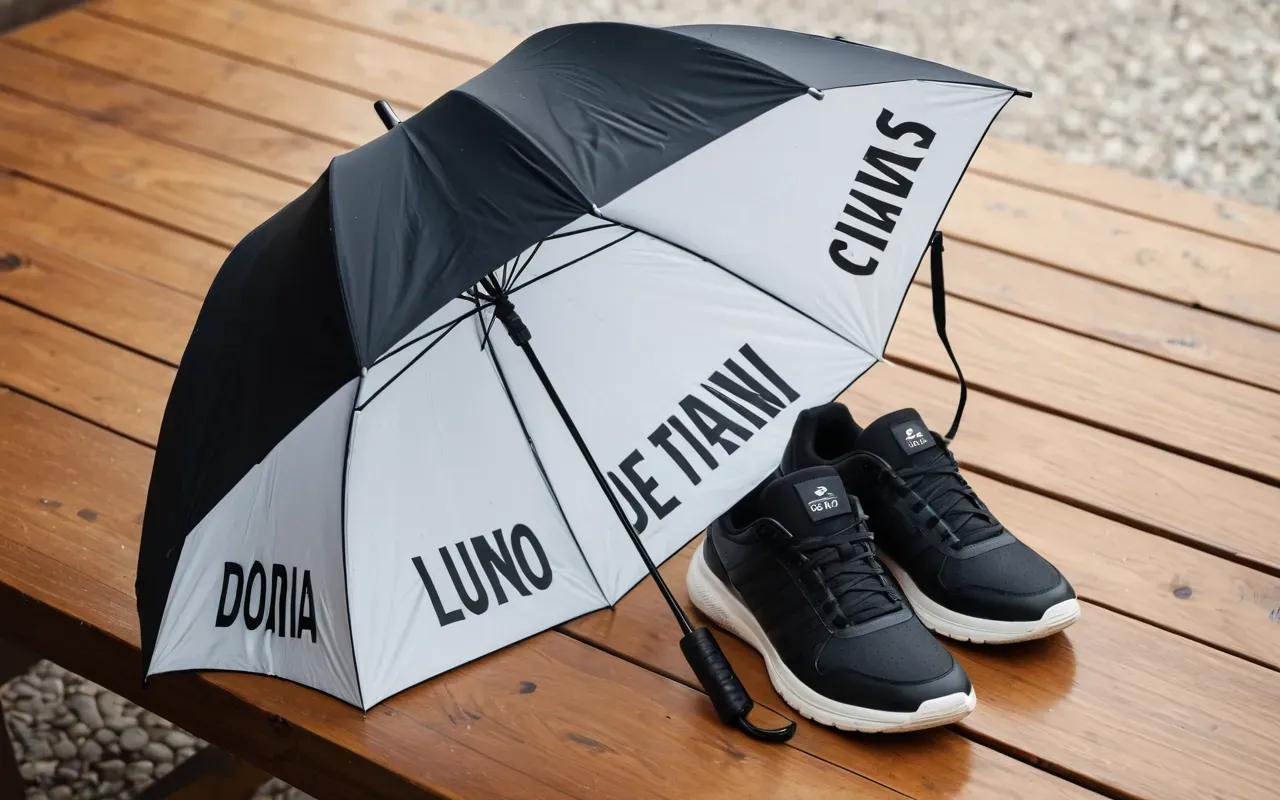
Opening an umbrella in a crowd is actually dangerous. It blocks sightlines and creates awkward navigation issues.
Locals rarely use them for this reason. They rely on hoodies and quick shelters instead.
How To Read The Sky Like A Native Resident
Look at the color of the clouds rather than their height. Grey indicates moisture while white suggests dry air.
If the sun is visible through thin clouds you have time to finish your walk before rain starts.
Watch the direction of birds flying. They often move toward shelter when a storm is approaching quickly.
These natural signals are often more accurate than any digital prediction model you can access.
The Financial Cost of Ignoring Local Weather Norms
Staying inside during mild rain means paying higher prices for indoor entertainment. Cafes charge a premium for space.
Walking in light rain is free and offers unique perspectives on the city architecture.
I calculated this difference during my last budget trip. The outdoor route saved me forty euros per day.
That money went back into food and experiences I actually enjoyed more than sitting in a cafe.
Frequently Asked Questions
What is the best way to prepare for sudden rain showers?
Carry a compact waterproof shell in your bag. This allows you to stay dry without needing to find shelter immediately.
How do locals handle bad weather during outdoor activities?
They continue their plans with appropriate gear. Most public spaces have covered areas that provide temporary rest stops.