Understanding the Importance of a Well-Prepared Shopping Plan During Travel
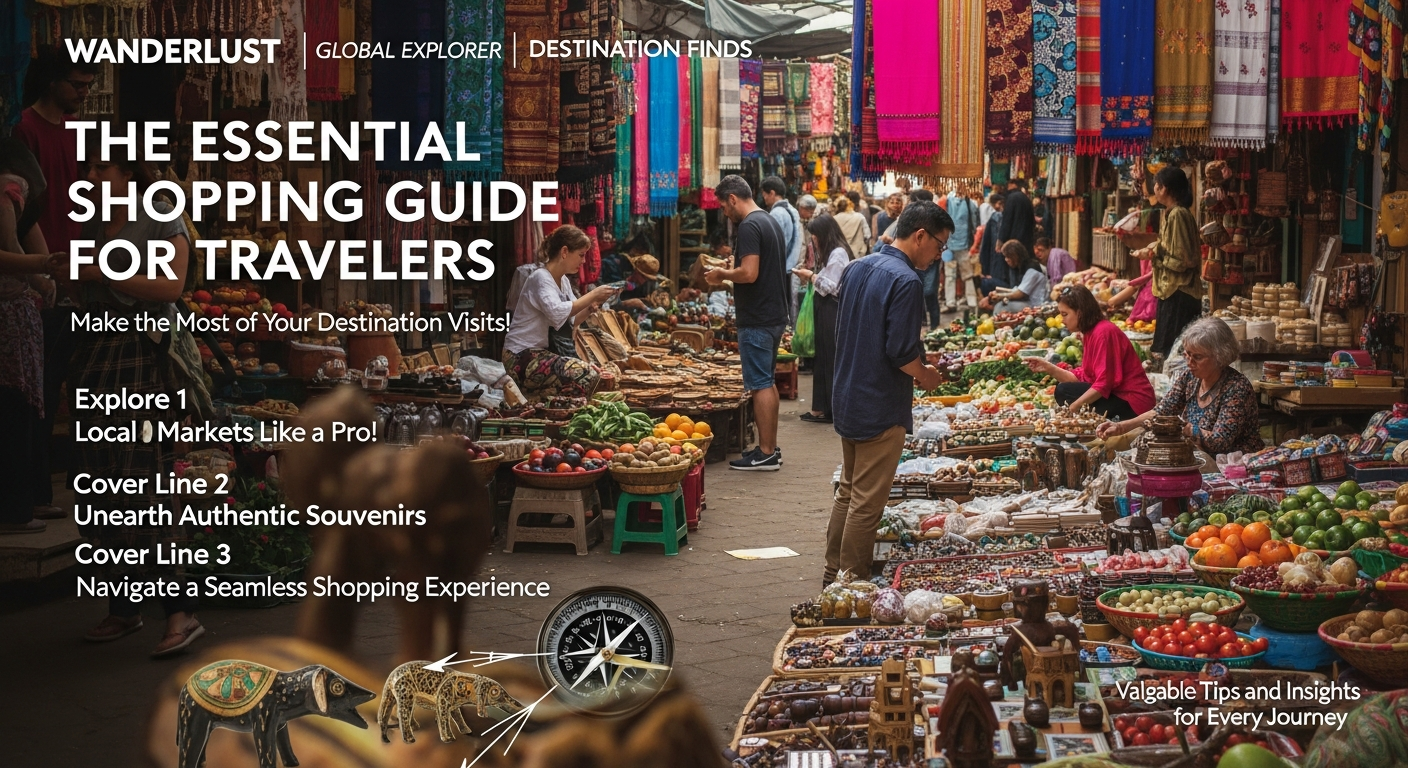
Embarking on a journey to a new destination involves more than just sightseeing and cultural exploration; it also offers a unique opportunity to indulge in local shopping experiences. A well-prepared shopping plan enhances the overall travel experience, allowing visitors to discover authentic products, support local artisans, and bring home memorable souvenirs. To maximize your visit, it's essential to research the shopping districts ahead of time, understand local customs regarding bargaining and purchases, and identify must-visit markets or shops. For instance, exploring historic marketplaces like the Grand Bazaar in Istanbul or the bustling street markets of Marrakech can reveal hidden gems that typical tourist venues may overlook. Equally important is managing your budget and knowing the best times to visit markets when vendors are most cooperative or discounts are offered. Preparing a checklist of desired items, whether local crafts, fashion items, or gourmet products, ensures your shopping expedition remains focused and rewarding. A strategic approach not only improves efficiency but also enriches your appreciation for the destination's culture and craftsmanship, turning shopping into a meaningful part of your journey rather than just a quick souvenir stop.
Navigating Local Markets and Authentic Shopping Spots Successfully
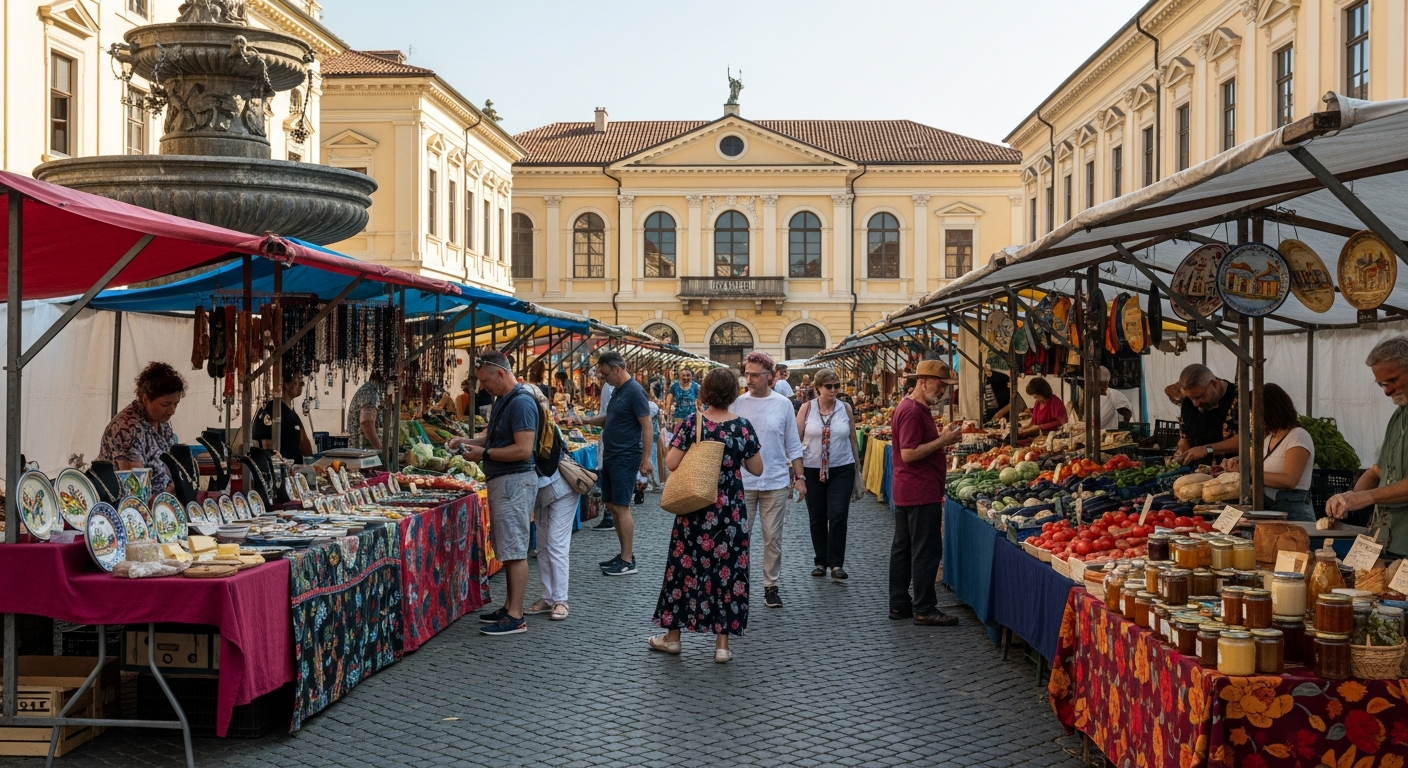
Navigating local markets can be both an exciting and overwhelming experience for travelers unfamiliar with the area. Success in shopping at these bustling hubs relies heavily on understanding local customs, practicing effective bargaining techniques, and respecting the cultural norms of the host community. For example, many Asian markets encourage bargaining, so approaching vendors with a friendly smile and a respectful attitude can lead to better prices and memorable interactions. It’s also beneficial to familiarize yourself with the typical prices of common items beforehand, perhaps by consulting travel blogs or app-based guides. Walking around and observing how locals shop provides valuable insights into the best times to visit, such as early mornings or late afternoons when vendors may be more willing to offer discounts. Moreover, paying attention to the quality of products, learning the difference between genuine and counterfeit goods, and asking for certificates of authenticity when purchasing jewelry or designer items can save you from potential pitfalls. Engaging with local artisans not only helps you score unique souvenirs but also supports small businesses and preserves traditional craftsmanship. When venturing into these vibrant shopping venues, maintain an open mind and enjoy the sensory overload — it’s all part of the authentic experience.
Tips for Buying Souvenirs Without Falling for Tourist Traps
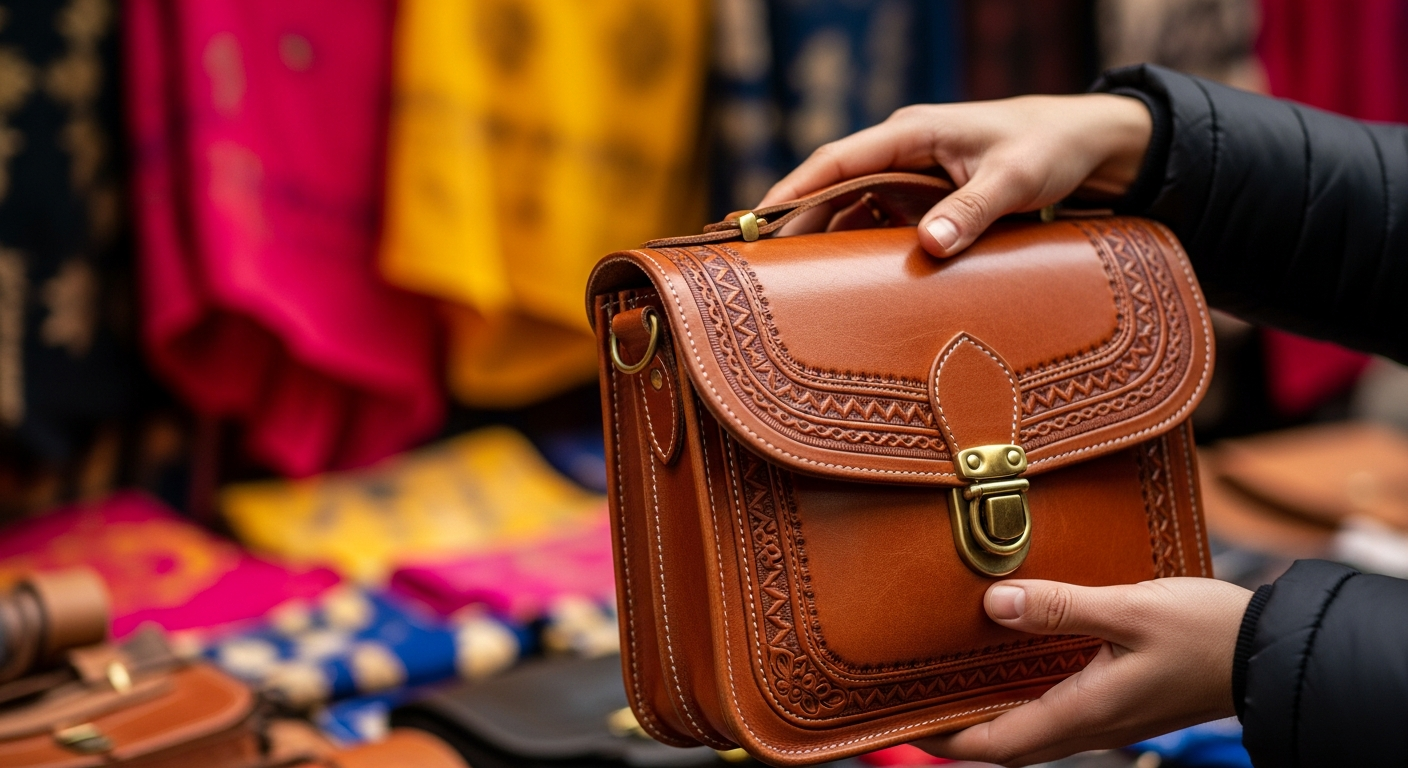
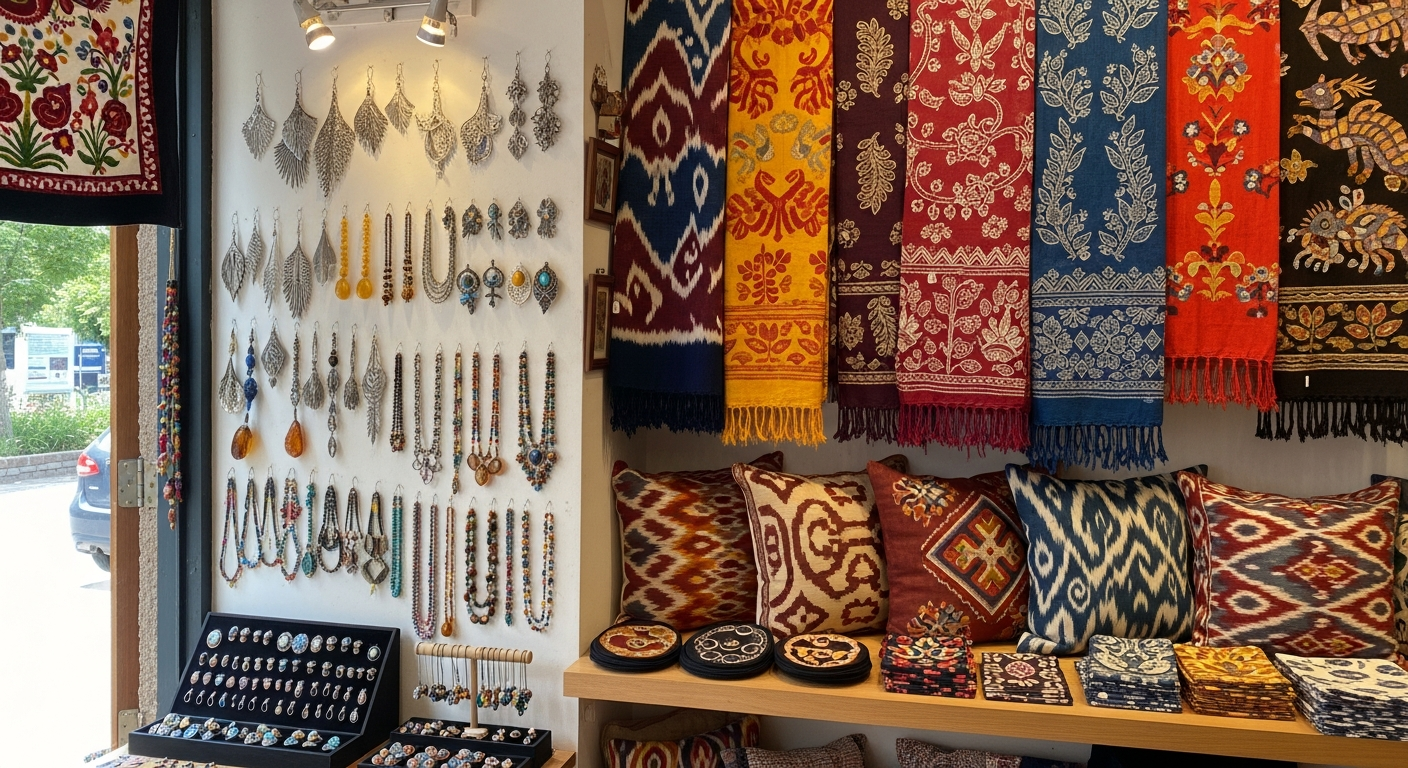
Selecting the right souvenirs is an integral part of any travel experience. However, tourists often fall prey to overpriced and mass-produced items available in heavily commercialized areas. To avoid this, it’s advisable to explore off-the-beaten-path shops and identify artisans or local craftsmen who produce authentic, one-of-a-kind items. Engaging directly with artisans allows you to learn about their craft, understand the cultural significance of their products, and often negotiate better prices. Authentic souvenirs such as handwoven textiles, artisanal jewelry, or traditional culinary products can provide a genuine connection to the destination, far more meaningful than generic souvenirs. Additionally, ensuring the items’ authenticity by requesting certificates or provenance details can help you avoid counterfeit products. Keep in mind that eavesdropping on fellow shoppers can give clues about the reputation of certain shops or artisans. Remember also to be considerate of local customs when bargaining, as it’s an integral part of the shopping culture in many countries. Your thoughtful approach not only secures better deals but also fosters respectful cultural exchanges, leaving you with souvenirs that truly embody the spirit and craftsmanship of the place you visited.
Enhancing Your Shopping Experience with Practical Tools and Resources
In today’s digital age, travelers can significantly improve their shopping adventures by leveraging various practical tools and resources. Mobile apps such as Google Maps help locate local markets, reputable shops, and artisan communities with user reviews and ratings. Currency conversion apps provide real-time exchange rates, ensuring you stay within budget while making purchases. Language translation tools like Google Translate facilitate smoother conversations with vendors, making bargaining and inquiries less intimidating. Social media platforms and travel forums offer firsthand insights, reviews, and tips from fellow travelers who have explored the same destinations. Some apps even feature curated shopping tours or local guides, which can lead you straight to the hidden gems. Additionally, shopping-specific websites and guides can help you identify must-visit venues tailored to your interests, whether it’s vintage fashion, antiques, or regional crafts. Being well-prepared with these tools helps you make informed decisions, minimizes misunderstandings, and boosts your confidence as a shopper abroad. Remember, a little prep work goes a long way in transforming a potentially stressful experience into this delightful part of your trip, turning shopping into a memorable and rewarding activity rather than a chore.