The Invisible Wall Between Intent and Action
One number from the latest Booking.com research stopped me cold. Not the one about how much people care about the planet — that part is settled. Eighty-three percent of global travelers say sustainable travel is vital. They mean it. The problem sits somewhere else entirely. And it hides in plain sight.
Here's the thing nobody talks about enough. Travelers aren't lazy. They don't lack willpower. Forty-nine percent still believe there simply aren't enough sustainable options available. That's a perception, not necessarily reality. But in digital markets, perception IS reality.
So we have a massive disconnect. On one side, millions of people wanting green stays. On the other, properties doing good work but staying silent. The result? A quiet failure in our collective ability to choose well. It is not that the supply doesn't exist. It's that it is invisible.
Why Hotels Are Hiding Their Green Work
Three out of four accommodation providers claim they have implemented some kind of sustainability practice. That is a lot of good work happening behind the scenes. Yet only one-third actively communicate these efforts to potential guests before check-in.
Why the silence? To be fair, it is complicated. Many small owners are not marketing experts. They switch to LED bulbs and stop providing single-use plastics because they believe in it. But updating a booking profile or navigating certification processes feels like extra work.
The data shows that most communication happens at check-in. That is too late. You have already booked the room. The decision was made in the dark. If I cannot see your green credentials before I pay, they do not exist for me.
This creates a paradox. The people doing the most good are often the least visible. Large chains have marketing teams to highlight their eco-initiatives. Independent boutique stays, which are often more locally integrated and sustainable, struggle to get noticed.
The Cost of Being Unknown
Consider the financial implication. If a hotel saves money by reducing energy use but cannot attract premium-paying eco-conscious travelers to offset that effort, the business case weakens. Sustainability becomes a cost center rather than an asset.
We keep seeing this pattern in other sectors. Green products fail not because they are bad, but because consumers cannot distinguish them from conventional ones without effort. In travel, that effort is too high for most people.

The Pandemic Effect We Are Ignoring
Sixty-one percent of travelers say the pandemic made them want to travel more sustainably. This is not a fleeting trend. It is a structural shift in values. People realized that convenience was overrated during lockdowns.
They started recycling at home. They reduced food waste. These habits are now permanent fixtures in their lives. When they travel, they expect the same standards to apply. A hotel without recycling bins feels like a step backward.
Fifty-three percent of travelers admit they get annoyed if a stay stops them from being sustainable. This is a powerful signal. Annoyance drives review scores. It drives social media posts. It influences future bookings.
The industry has a window of opportunity right now. Travelers are primed to reward green behavior with their wallets. But the infrastructure needs to catch up. If we do not make it easy, this wave will pass us by.
How Platforms Are Trying to Fix the Gap
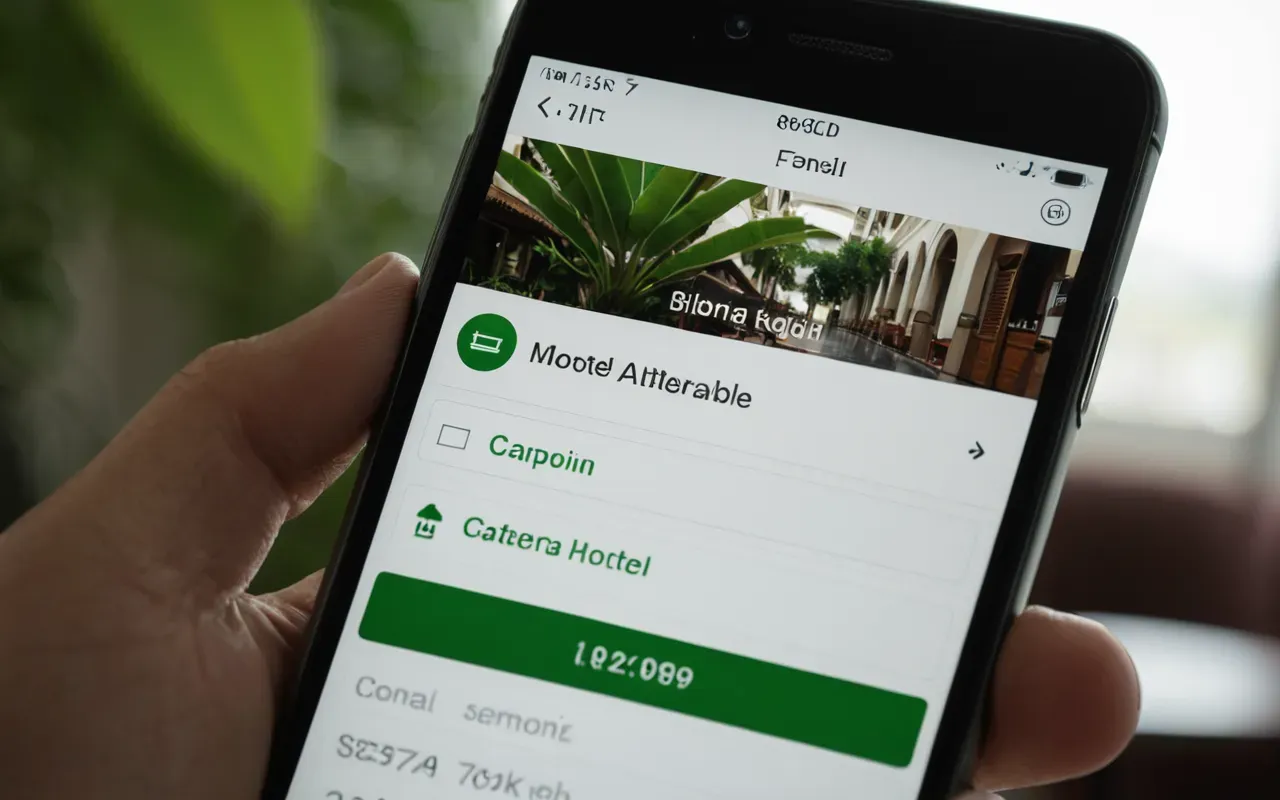
Booking.com is rolling out a program to help properties take next steps. This includes sharing guidance and best practices via educational opportunities. They are displaying over thirty certifications approved by global bodies.
They also encourage partners to update sustainability information across five key categories. Waste, energy, water, local communities, and nature protection. This standardization helps travelers compare apples to apples.
Hundreds of thousands of properties have already started sharing some information. It is early days, but it matters. Transparency builds trust. And trust drives bookings for those who care about their impact.
The Real Winners in This Shift
Who wins when sustainable travel becomes easy? Not just the hotels. It is the local communities too. Seventy-three percent of travelers want authentic experiences representative of local culture.
Sixty-nine percent will avoid popular destinations to prevent overcrowding. This dispersal of benefits is crucial for long-term viability. It means small towns get a chance to thrive without being overwhelmed.
If you are planning trips, look for properties that actively share their green practices. Check the sustainability initiatives banner on property pages. It is a small step, but it signals intent.
The gap between what we want and what we can find is closing. But it requires action from both sides. Travelers must look for the signals. Providers must share them.
What This Means for Your Next Trip
Your next booking could be part of this shift. By choosing a verified green property, you support local economies and reduce environmental harm. It is not charity. It is smart travel.
The data shows that travelers are ready to make these changes. Eighty-four percent want to reduce general waste on vacation. Forty-five percent already turn off air conditioning when leaving their room.
These small actions add up. Multiplied by millions of travelers and properties around the world, they create a significant positive impact. We are witnessing a watershed moment.
The question is no longer whether sustainable travel will happen. It has already started. The only question left is how easy we make it for everyone else to join in.