Why the Summer Heat Changes Everything Locally
Here's a fact that surprises most visitors. The city does not prepare for summer the way you think it does.
We live in a place where winter is long and grey. Then June hits with twenty degrees of warmth. The streets explode.
I've watched this happen for a decade. It's not just tourists arriving from abroad. The locals come out too.
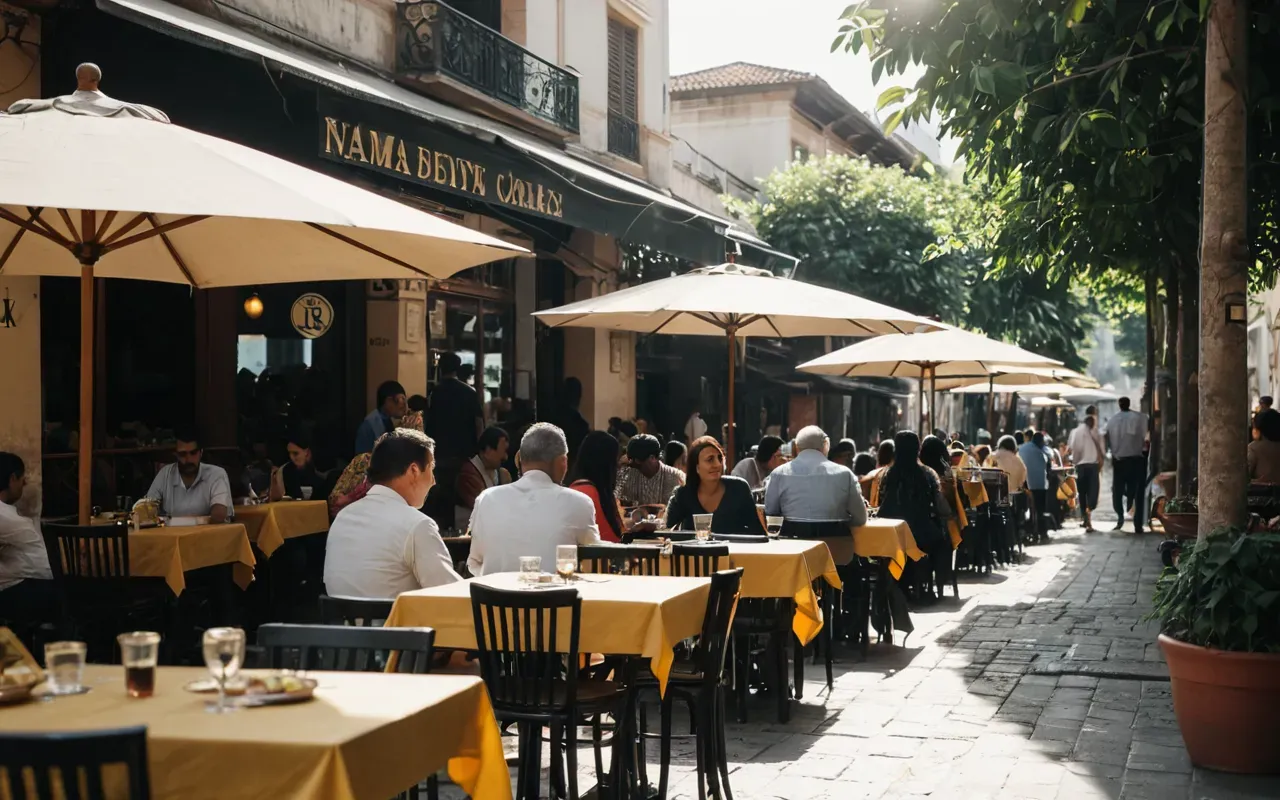
Everyone wants the same three squares of open space. Coffee shops fill up within minutes of opening.
The Illusion of Endless Open Space
You might think the city is huge. It isn't when everyone chooses to be outside at once.
In winter, we stay indoors. In summer, everyone moves to the streets at the same time.
This creates a bottleneck effect that only appears in high temperatures. It's invisible to anyone who visits during the cold months.
I remember one Tuesday in July where I couldn't find a table for forty minutes. The lines wrapped around the block.
The Real Cost of Being Outside in July
Prices change when demand spikes. Basic economics, sure, but it feels personal to locals.
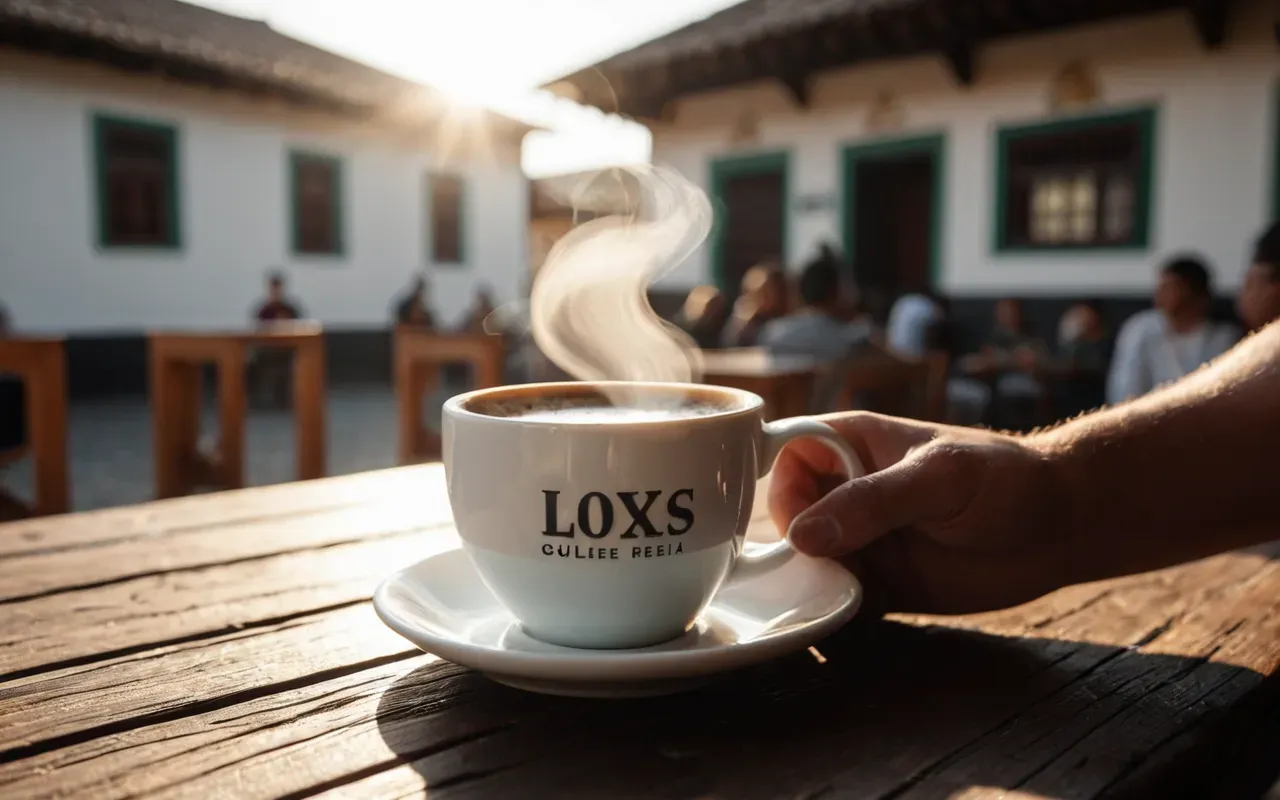
A simple coffee costs more on a terrace than inside. A beer is double the price of the winter rate.
I checked my receipt last month. Twelve euros for a latte and two pastries. That's three times the winter price.
Tourists pay this without complaint. Locals feel the pinch because we have to do it every week during the warm season.
Why Locals Feel the Financial Pinch More Acutely
We don't have the disposable income of a vacationer. Our budgets are fixed.
When prices double for six weeks of the year, it changes our habits. We stop visiting certain spots.
I've started buying my coffee to go. I used to sit down and read the paper for an hour.
That small change feels significant. It signals that the space no longer belongs to us in the same way.
The Noise and Crowding That Defines Summer Mornings
It starts before sunrise. Buses arrive with groups of visitors who are already tired and loud.
The streets fill with chatter in a dozen different languages. Vibrant, yes. Also exhausting.
I used to enjoy the morning quiet. Now I wait until ten am for a moment of peace.
That's the trade-off. We get energy and international vibes. But we lose our quiet corners.
How Early Arrivals Change the Daily Rhythm
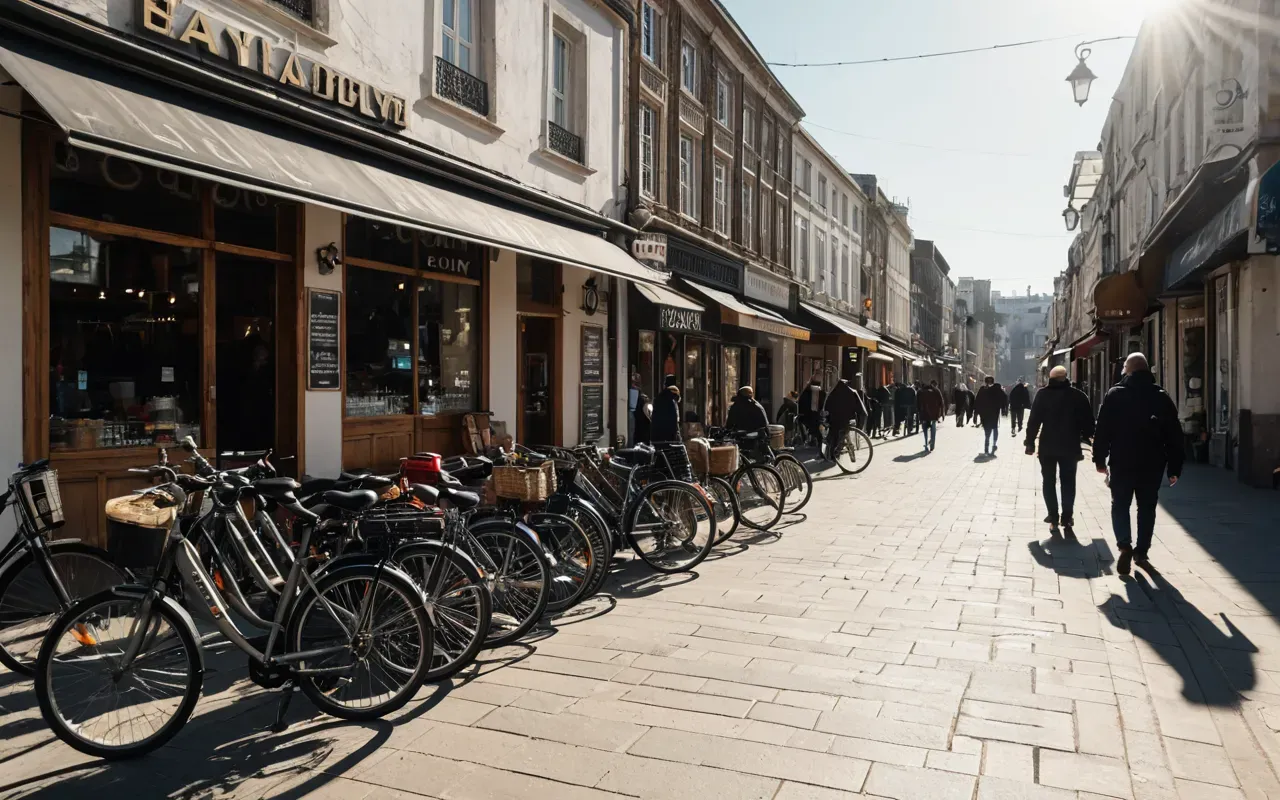
Businesses open earlier to accommodate the influx. Staff work longer shifts.
This affects service quality too. When the rush hits hard, mistakes happen.
I've seen staff look tired and overwhelmed by mid-morning. That's a human cost of popularity.
Understanding this helps visitors be more patient. We're all trying to navigate the same pressure.
What Locals Do Differently During Peak Season
We move to the edges of the city. The outskirts offer more space and lower prices.
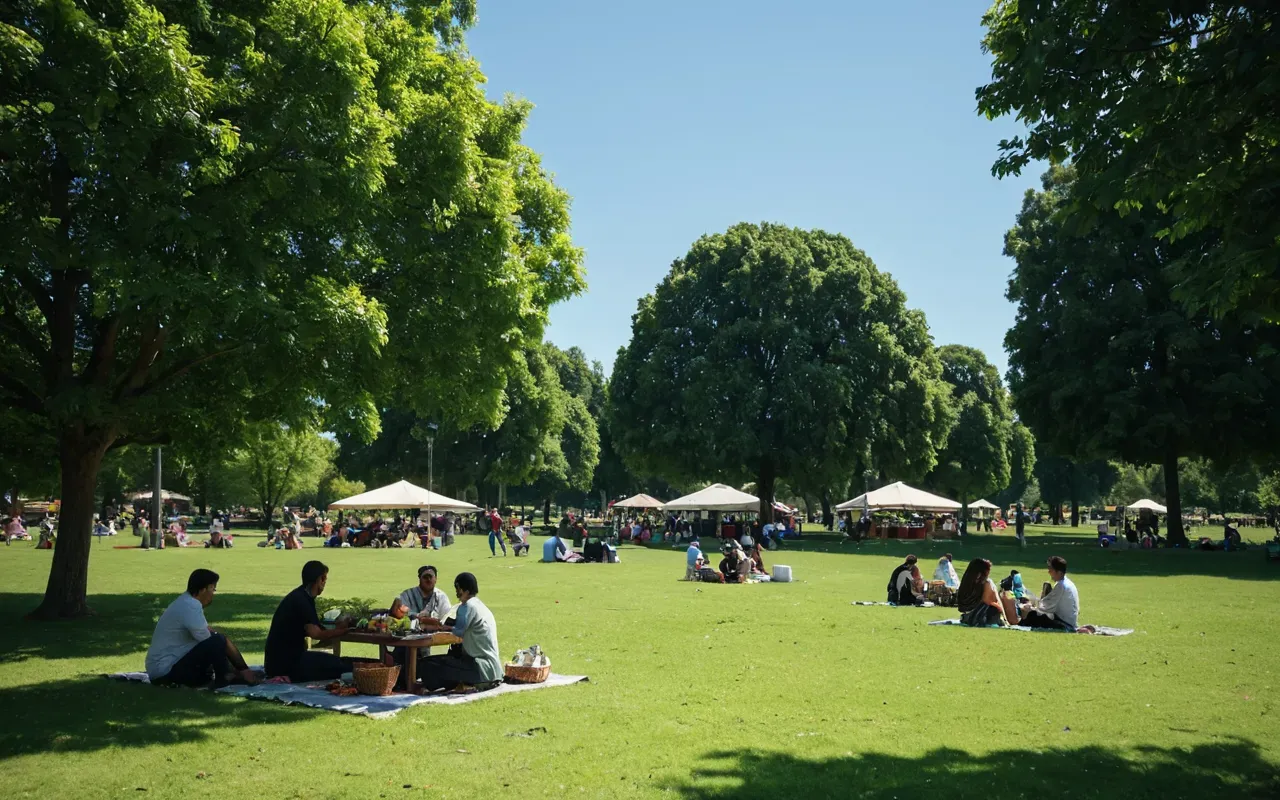
I spend my summers in the parks outside the center. The air is cleaner and the crowds are thinner.
We also shift our dining times. Lunch becomes dinner and breakfast moves later.
These small adaptations keep our quality of life high despite the chaos in the core areas.
Finding Balance in the Outskirts and Parks
The grass is greener there. Literally. The maintenance is better because fewer people trample it.
You can hear birds instead of traffic. It's a different kind of summer experience.
I recommend this to anyone who wants to see the city without the pressure. It's truly refreshing.
It gives you a chance to see how people actually live when they're not performing for cameras.
The Hidden Side of Summer in the City Center
There's a strain on infrastructure that visitors rarely see. Water pressure drops in old buildings.
Power outages happen more often because the air conditioning load spikes. It's a quiet crisis.
I've watched neighbors argue about heat waves and broken AC units. It's a daily reality for many.
This side of summer doesn't make the postcards. But it shapes our daily lives significantly.
Why Infrastructure Strain Affects Daily Comfort
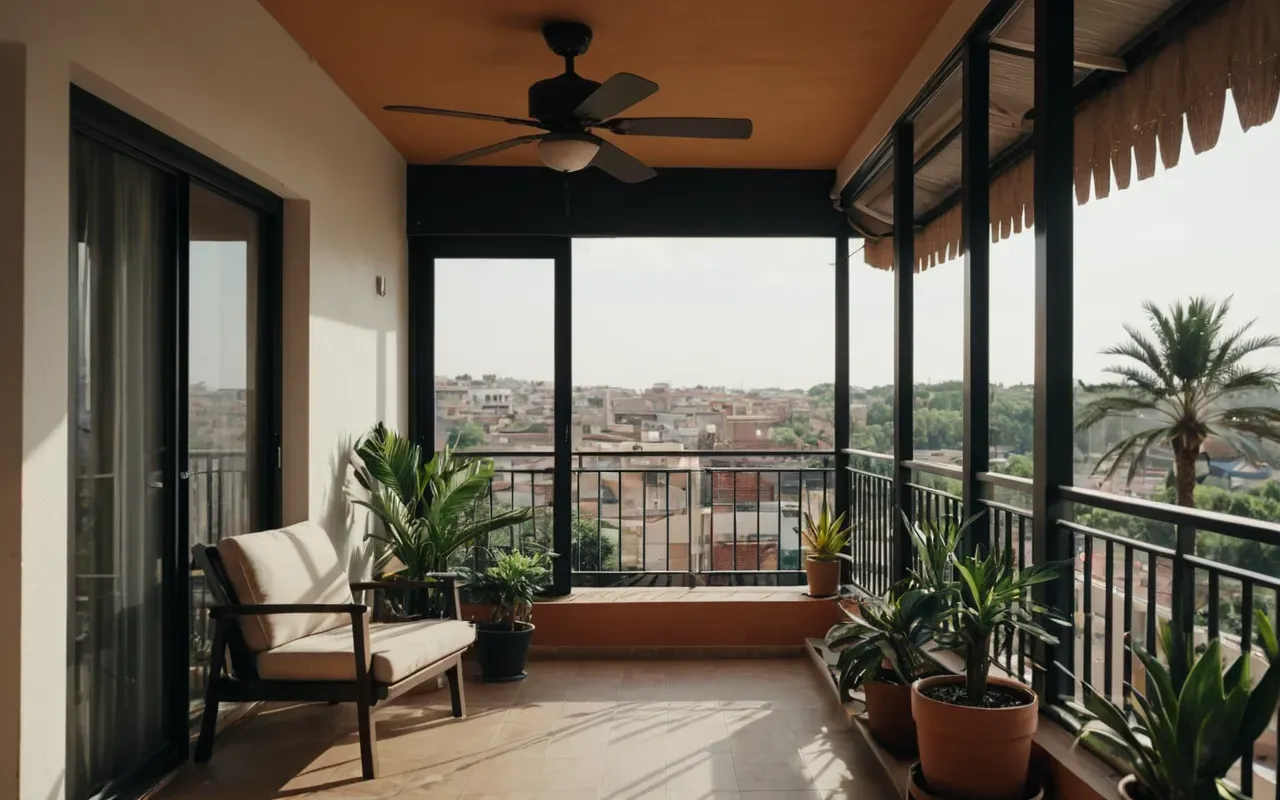
Old buildings were not designed for heat. The insulation keeps it in during winter.
In summer, that same insulation traps the heat. Rooms become ovens by mid-afternoon.
We rely on fans and cold showers. Survival tactic, not comfort.
This reality makes the outdoor chaos feel even more intense because we have nowhere to escape.
How Visitors Can Be More Considerate This Summer
You don't need to change your plans entirely. Small gestures go a long way.
Avoid the peak hours if you can. Go out after seven pm or before ten am.
Buy your food elsewhere and eat in a park. It relieves the pressure on crowded terraces.
Be patient with staff who are working hard in the heat. A kind word means a lot to them.
Small Gestures That Make a Big Difference Locally
A smile and a thank you in any language bridges the gap quickly.
It shows respect for our space and effort. It changes the mood of the interaction.
We're all humans trying to enjoy a warm day. Mutual respect is the key.
When we work together to manage the crowds, everyone wins. The city stays a pleasure for all.
Frequently Asked Questions About Amsterdam Summer Crowds
Why is summer so crowded in the city center?
Summer crowds result from both tourists and locals seeking outdoor spaces. The warm weather drives everyone outside at the same time. This creates high demand for limited public areas.
How much more expensive is a coffee in summer?
Prices can double compared to winter rates. Terrace service adds significant cost. Expect to pay two to three times more for the same beverage.
Where can locals and visitors find quiet spaces?
Parks on the city outskirts offer more peace. Green areas away from the center have fewer people and lower noise levels.
What time of day is least crowded?
Before ten am or after eight pm are the best times. These off-peak windows have fewer visitors and calmer atmospheres.