The Unexpected Twist in Amsterdam’s Cannabis Future
In the heart of Europe’s most iconic city, recent political negotiations have delivered a stunning blow to expectations—Amsterdam will not be shutting its doors to foreign cannabis tourists as some feared. Instead, the city’s new coalition deal, unveiled on June 3, has chosen to focus on financial strategies that deepen the city’s reliance on tourism revenue rather than restricting it. This decision is not merely about keeping coffeeshops accessible; it signals a nuanced shift where economic interests far outweigh the moral debates that have long defined local cannabis policies. What is truly striking is how this strategic pivot underscores a more profound, underreported story: Amsterdam’s shift from pragmatic regulation to economic boost amid a cooling global tourism scene. As other European capitals tighten restrictions or brace for legalization, Amsterdam’s stance to keep its renowned coffeeshops open to all – and instead hike the tourist tax to the highest in Europe – is a calculated move that positions the city as a resilient, yet increasingly expensive, tourist magnet. This isn’t just about cannabis; it’s a clear message that the city is banking on remaining a vibrant hub for international visitors, with their wallets being the true target.
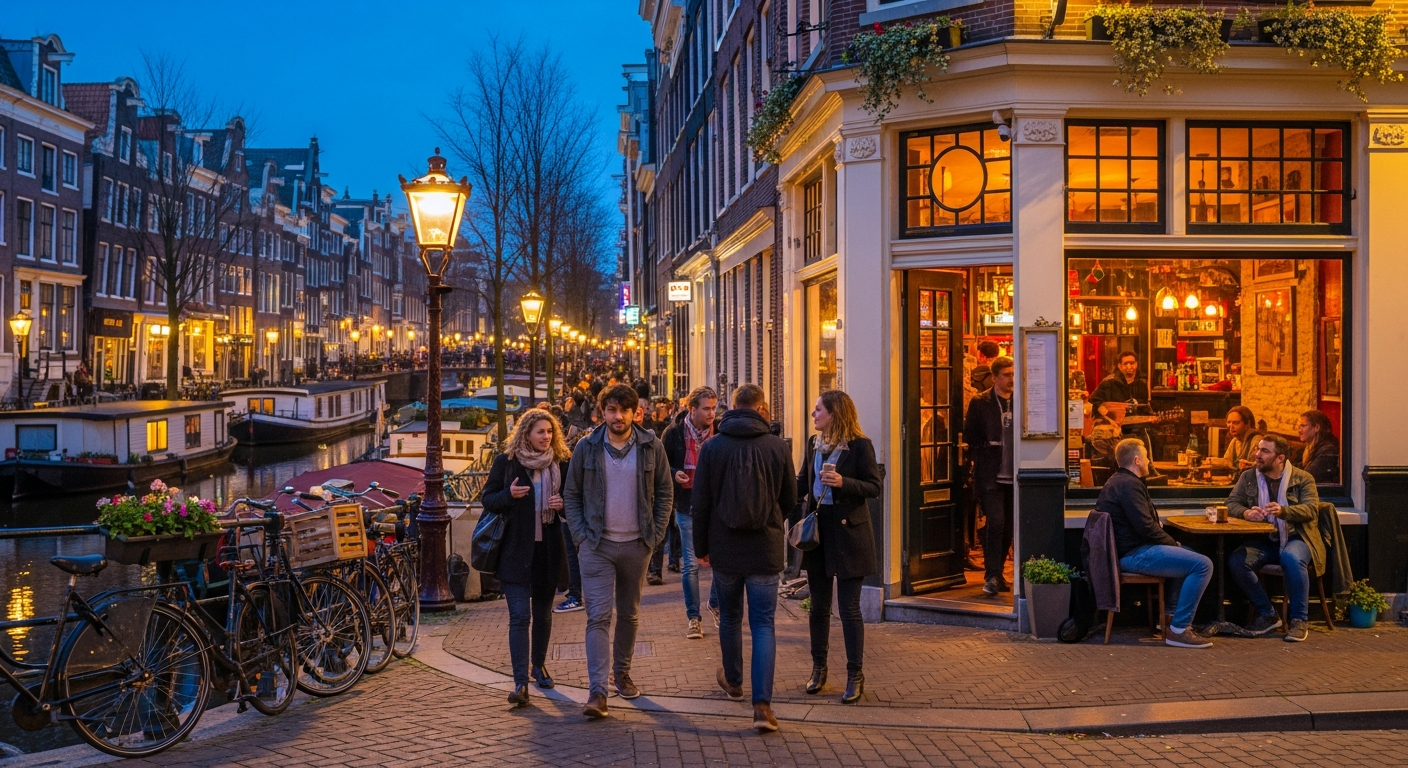
Why Bottling Up Demand Against International Trends Is a Dangerous Game
One of the most underreported aspects of Amsterdam’s decision lies in its gamble against the broader trend of decriminalization and legalization sweeping across Europe and parts of Asia. While Germany prepares to legalize cannabis nationally in 2024 and Thailand’s waves of reform wobble under internal pressures, Amsterdam’s authorities are betting that maintaining an open coffeeshop culture will continue to attract a steady flow of international tourists. However, this approach runs the risk of fueling underground markets if demand exceeds legal supply—something criminologist Dirk Korf’s research already highlights. He estimates that nearly a quarter of foreign tourists would turn to black markets if the licensed shops close their doors to them. This underground economy not only saps potential tax revenue but also perpetuates street crime. Yet, the city’s leaders seem unconcerned with these risks, instead prioritizing the immediate financial benefits tied to high tourist spending. Ironically, by refusing to adapt to shifting European norms, Amsterdam may be setting itself up for future economic battles—battles it could have mitigated by embracing a more sustainable, regulated legalization model.

Who Gains and Who Loses in the New Economic Strategy
In this shifting landscape, the primary winners are the city’s established cannabis retailers, consumer brands, and the local government. By maintaining the classic coffeeshop culture, they continue to attract international consumers willing to pay premium prices, especially as the tourist tax rises to 20%. This influx sustains local employment, supports numerous ancillary industries like hospitality and transportation, and reinforces Amsterdam’s cultural brand as a permissive, open city. Conversely, the losers are clear—cheaper street dealers and illegal operators are poised to capitalize on demand not met by legal outlets. Tourists, especially budget travelers, might think twice before visiting once their costs skyrocket and restrictions tighten. And perhaps most subtly impacted are those who hoped for a responsible, long-term approach to drugs regulation. Instead, the city seems to prefer a short-term revenue boost over the diversification of its tourism strategy, risking future reputation damage if underground markets burgeon or if international competitors fully embrace the broader trend of legal cannabis.
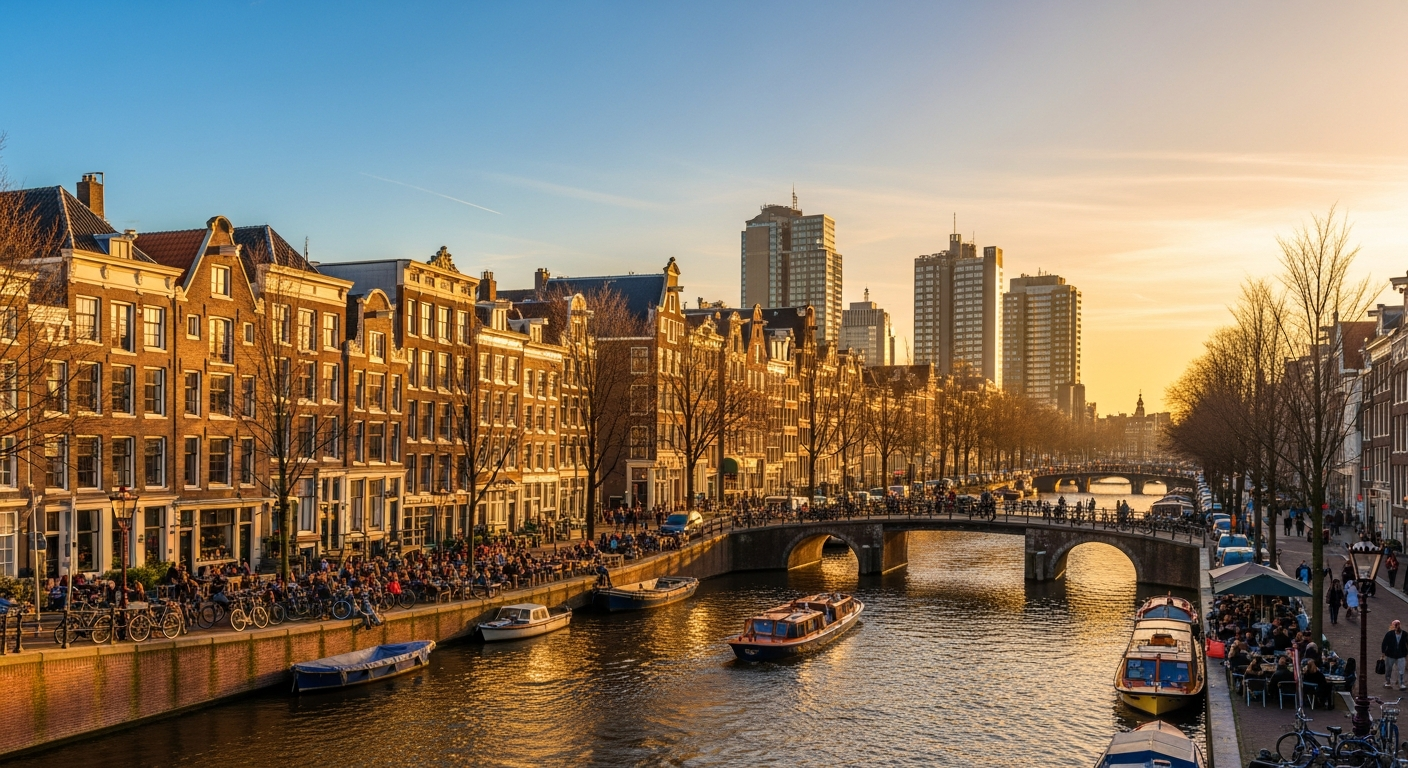
Looking Ahead: An Evolving Cannabis and Tourism Market
As the world’s perspective on cannabis continues to evolve, Amsterdam’s bold stance puts it at a crossroads. The city’s choice to keep its famed coffeeshops accessible while raising the tourist tax reflects a desire to capitalize on its reputation without succumbing to overly restrictive policies. Yet, this strategy’s long-term sustainability remains questionable. If international markets continue to liberalize, Amsterdam risks becoming a pricey relic of a more permissive era, targeted more for its brand than for genuine accessibility. Alternative strategies, like integrating more modernized regulation, could curry favor both domestically and abroad, ensuring a balanced approach that preserves its reputation while managing demand. For now, the message is clear: Amsterdam intends to double down on tourism as an economic pillar, even amid global shifts away from old-style cannabis tourism. The real question becomes whether this gamble will pay off or hasten a future where underground markets overshadow licensed venues, threatening the very fabric that made Amsterdam a legendary hub in the first place.