Best Day Trips from Amsterdam: Utrecht, Zaanse Schans & More
I remember standing on a bridge in Amsterdam last summer. The air smelled of canal water and fried onions. Around me, at least fifty tour groups were shouting over each other to be heard. It was chaos disguised as charm.
That scene isn't unique. Cities worldwide are buckling under the weight of their own popularity. Tourism management used to mean counting heads and booking hotels. Now it means surviving a tidal wave of visitors who show up expecting paradise.
And here's the thing no one wants to admit. The systems we built to handle tourism are breaking down fast.
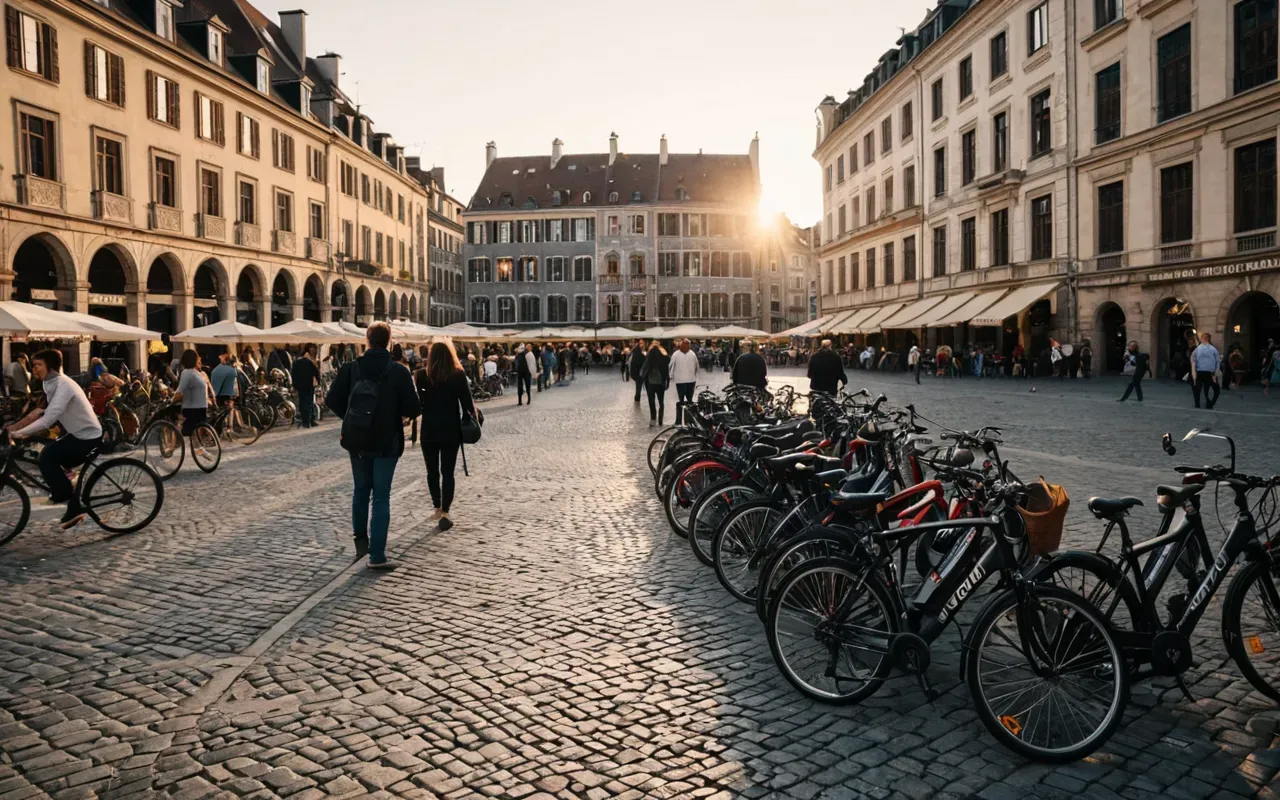
Why the Old Playbook No Longer Works
For decades, cities grew by welcoming more visitors. More tourists meant more revenue for shops and restaurants. Simple math. Until it wasn't.
Now we see the cracks everywhere. Local residents can't find affordable housing because every apartment becomes a short-term rental. Historic streets wear down from millions of footsteps. Traffic jams stretch for blocks during peak season.
Look at Barcelona or Venice if you want proof. These places turned into theme parks of themselves. The soul leaks out when everything is designed for the camera instead of the community.
City Tours as Both Culprit and Cure
Here's where it gets interesting. City tours are often blamed for overcrowding. Big buses and shouting guides clog narrow streets. But they also hold the power to fix things.
When done right, tours can spread visitors around. They direct people away from hotspots and into quieter neighborhoods. Small group sizes reduce foot traffic while still sharing stories that matter.
I took a walking tour recently that visited three hidden courtyards most travelers never see. My guide explained why those spaces matter to locals. It felt different from the usual rush.
The Data Behind the Decline
A recent study showed that visitor numbers in Amsterdam hit nearly eight million last year. That's too many for a city built on water and wind. Infrastructure wasn't designed for this scale.
Hotels near major landmarks charge premium prices that locals can barely afford. Meanwhile, residents move to suburbs just to escape the noise and crowds.
And yes, some tourists don't respect boundaries. They climb on statues or litter in parks because they think the city belongs to them temporarily.
What Cities Are Doing Differently Now
Smart cities are starting to push back. Amsterdam introduced a tourist tax that funds public improvements instead of just lining corporate pockets.
Amsterdam’s tourism overhaul could shift power from visitors to residents in unexpected ways. It's not perfect yet but it shows direction.
Other towns limit cruise ship arrivals or require advance booking for popular attractions. These measures sound harsh until you realize how much stress uncontrolled tourism puts on daily life.
The Role of Honest Communication
How Dutch directness saves tourism from its own overload. Being blunt about problems helps. Pretending everything is fine only delays collapse.
Travelers deserve to know which areas are overwhelmed. Guides should explain why certain behaviors hurt communities when visiting sacred sites or residential zones.
Rethinking Success Metrics
We measure tourism success by arrival counts. That metric makes no sense anymore when quality of life drops for those living there year-round.
Maybe we need new benchmarks. Fewer visitors spending longer stays? Higher satisfaction scores among locals who depend on seasonal work?
Cities like Kyoto have tried restricting access altogether during peak times. It works temporarily but creates resentment among international travelers who feel excluded.
How You Can Travel Better Starting Today
You might think you're powerless against big trends. But individual choices add up fast when millions make them every year.
Skip the top-rated Instagram spots on weekends. Visit museums early morning before crowds arrive. Stay in neighborhoods further from main squares.
If you're curious about how Amsterdam's tourism management is quietly collapsing under its own success, this context matters.
Support small businesses owned by locals rather than chains. Ask your hotel concierge where they eat lunch instead of going to famous tourist traps.

Small Changes With Big Impact
One traveler switching to eco-friendly transport reduces emissions significantly. Multiply that across thousands of people and you get real environmental benefit.
Carry reusable water bottles. Avoid single-use plastics at attractions. Choose walking routes over short rides whenever possible.
Your shopping habits are accidentally funding the tourism crisis. Think twice before buying mass-produced souvenirs.
Looking Ahead Without Losing Hope
This isn't about shutting down travel forever. Exploration connects cultures and builds empathy across borders.
But we must adapt before more damage occurs. Cities deserve to remain livable for everyone regardless of passport stamps.
Why city tour experiences are the hidden key to truly authentic urban tourism gives us a clue about what works.
Let's demand better from ourselves and the industries serving us. Travel should enrich lives not destroy them.
Frequently Asked Questions
What exactly is tourism management?
Tourism management refers to strategies used by governments and businesses to coordinate visitor flows while protecting local environments. It involves planning infrastructure, enforcing regulations, and balancing economic gains with community needs.
How do city tours affect overcrowding?
Large bus tours concentrate hundreds of visitors at key landmarks simultaneously creating bottlenecks. Smaller guided walks distribute crowds across wider areas reducing pressure on sensitive sites.
Can tourist taxes actually help solve problems?
Yes when revenue funds public services directly benefiting residents. Cities use these fees for cleaning crews, maintenance projects, and cultural preservation efforts that would otherwise lack funding.
Why are some cities limiting visitor numbers?
Uncontrolled tourism strains housing markets and degrades historic structures beyond repair. Caps prevent irreversible damage while maintaining access for respectful travelers who plan responsibly.
How can travelers support sustainable practices?
Choose lesser-known destinations during peak seasons. Book accommodations owned by locals instead of international chains. Respect posted rules about photography or restricted zones without arguing.
For the full overview, see Amsterdam travel essentials.