The Unseen Battle Behind Amsterdam's Tourism Transformation
As the city prepares for a significant overhaul of its tourism policies, the most startling aspect isn't just the increase in tourist taxes or the port restrictions but the underreported consequences these measures could trigger on local communities and the global travel industry. While officials portray these changes as necessary for sustainable urban management, critics argue they may be a double-edged sword, risking the very economic vitality that attracts millions each year. Higher taxes might filter through the hospitality industry, leading to inflated prices that could deter budget travelers and shift the tourist flow away from Amsterdam to emerging alternative destinations. Conversely, this could incentivize the city to prioritize quality over quantity, but the balance remains uncertain, especially at a time when the global tourism industry is still recovering from recent upheavals. What’s often overlooked in these narratives is the potential impact on small businesses, cultural sites, and residents who rely heavily on tourism income, which might be overshadowed by the broader economic focus on city finance and urban sustainability initiatives.

The narrative around Amsterdam's tourism strategy often paints a clear picture: visitors are the primary beneficiaries, fueling the local economy and supporting a vibrant cultural scene. But beneath this surface lies a nuanced reality. Higher tourist taxes and port restrictions are likely to shift the economic balance, favoring large hotel chains and major cultural venues that can absorb the costs, and possibly marginalizing smaller operators and local businesses. Residents, meanwhile, are caught between the need for urban renewal and the fear of losing the city's authentic charm, as commercial developments and property acquisitions push out longtime inhabitants. This approach might appear balanced on paper, but it raises critical questions about equity and long-term sustainability—who actually benefits from these reforms, and at what cost? Critics warn that without inclusive planning, the reforms could entrench inequalities, concentrating economic gains in the hands of a few while alienating the core communities that made the city unique.

What remains underappreciated is how Amsterdam’s bold strategies could serve as a blueprint—or a cautionary tale—for cities worldwide grappling with over-tourism and urban degradation. Increasing taxes and port restrictions are classic tools in urban planning, yet their effectiveness largely hinges on transparent implementation and contextual sensitivity. If successful, Amsterdam might inspire other major destinations to rethink their tourism models, striking a better balance between economic gains and quality of life. However, if these policies backfire by discouraging travelers or harming local economies, they could reinforce a mindset of restriction rather than innovation, pushing tourism out of traditional urban centers into less regulated or more exotic locations. The real question is whether these reforms will trigger systemic change or merely offer a temporary fix to a deeper problem: the relentless growth of global travel at the expense of municipal well-being.
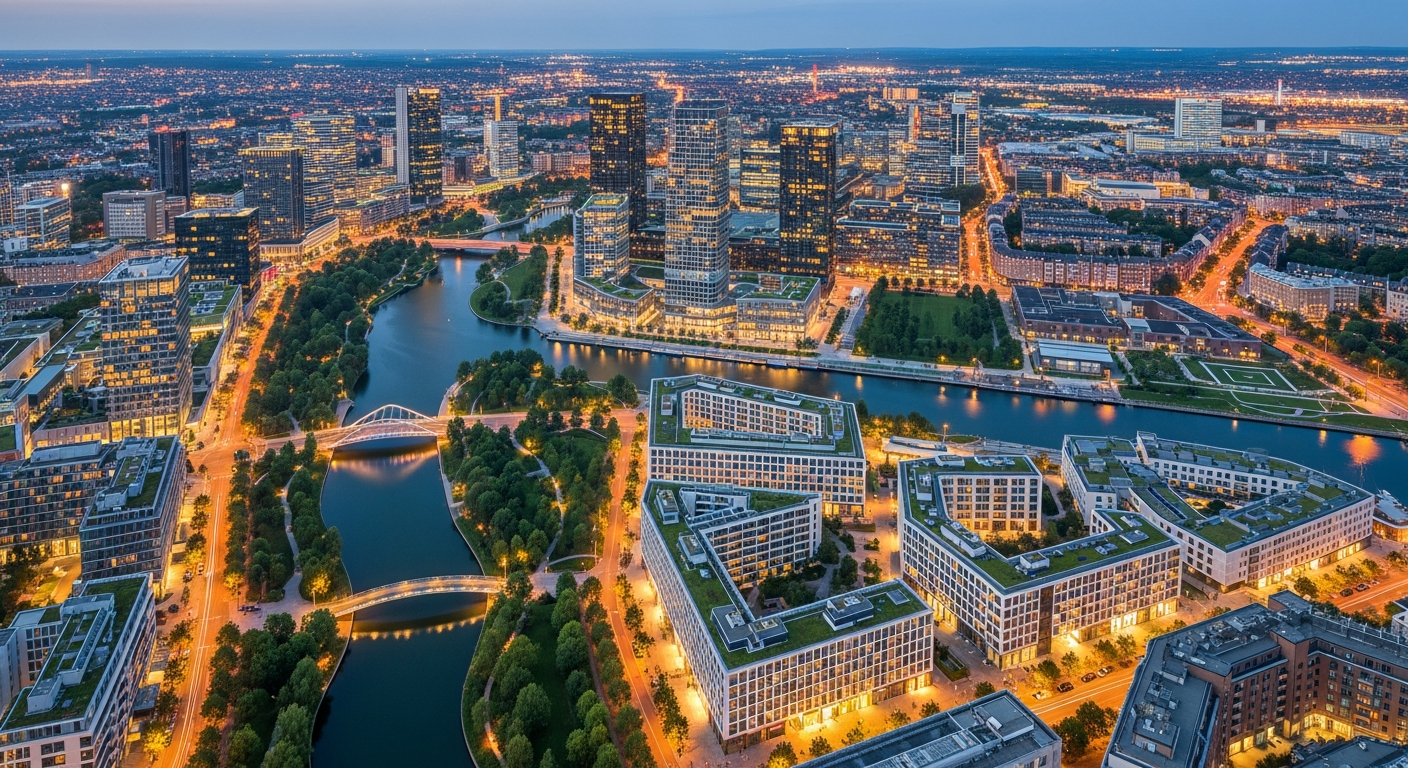
In the end, Amsterdam’s pioneering approach to managing tourism represents a larger reckoning on how cities deal with the pressures of global travel. Will these measures lead to a more equitable and sustainable urban environment, or will they simply shift the problem elsewhere? While the city’s decision to increase the tourist tax incrementally and restrict port access signals a serious intent to address over-tourism, the long-term outcomes remain uncertain. What is clear is that the success of these reforms will depend on the engagement of local stakeholders, the flexibility of policy implementation, and the capacity of the city to adapt to unforeseen challenges. As other destinations watch closely, the true test will be whether Amsterdam can balance economic vitality with social and environmental resilience, revealing lessons that resonate far beyond its borders.