
The Party That Forgot It Was A Protest
You expect glitter, loud music, and endless dancing when you look at a modern pride parade. The neon lights reflect off the water while crowds cheer from every bridge. I watched the latest float designs and noticed something completely different this time. The energy feels heavier. The messages are sharper. And the celebration is sharing deck space with hard political statements.
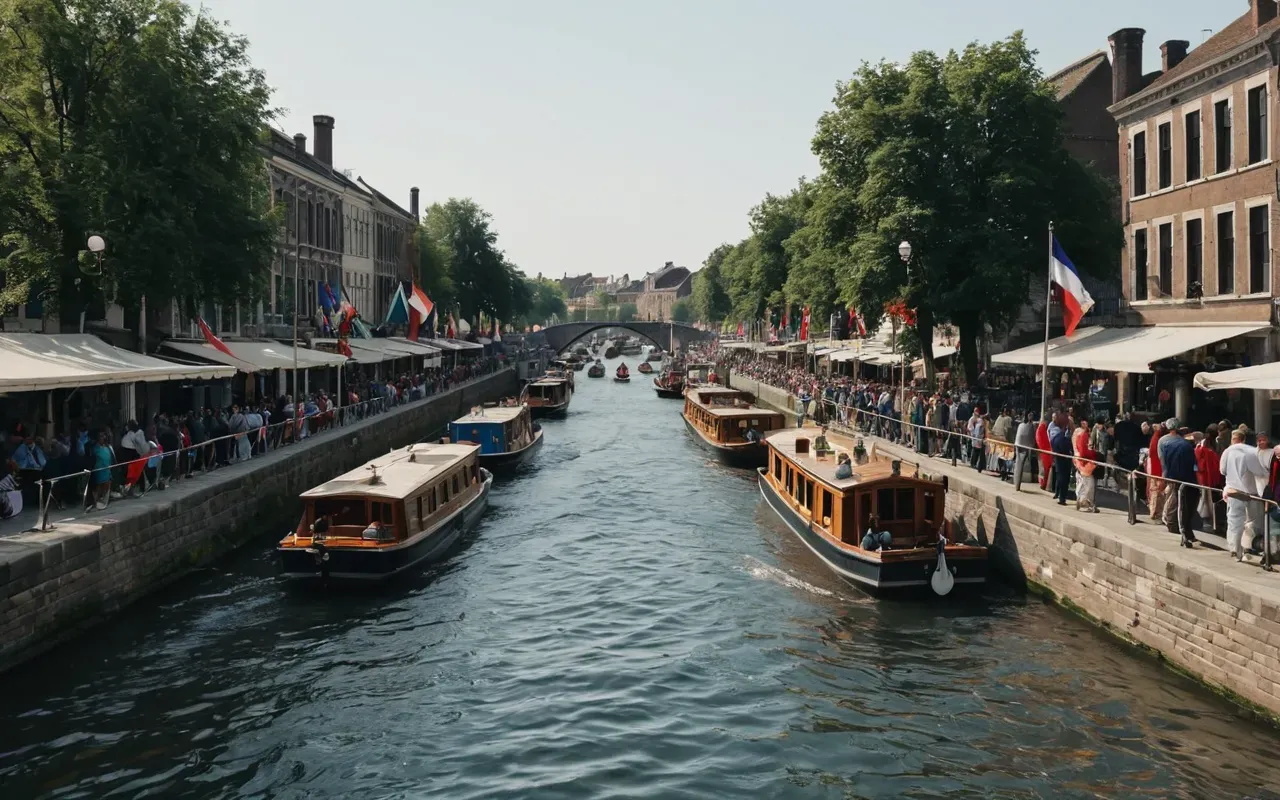
WorldPride is currently sweeping through the city streets and waterways right now. It brings massive tourism revenue and global media coverage to the region. But behind the sponsorships and branded merchandise, a quiet rebellion is taking shape. Organizers and independent groups are using their allocated boats to push back against the very commercialization that funds the event.
Look at the student vessels leading the charge this season. They are stripping away the rainbows and replacing them with stark black and white photography. The visual shift is deliberate. It mirrors the original Stonewall riots from the late nineteen sixties. We keep seeing parades turn into corporate marketing stunts, and these organizers are tired of the performance.
I was struck by how quickly the narrative changed when I read the official announcements. The parade used to be purely about visibility and joy. Now it serves as a megaphone for policy failures and censorship battles. You can feel the tension between corporate sponsors and grassroots activists on every single deck. The water routes are becoming political battlegrounds.
When Commercialization Takes The Helm
Corporate brands love pride month because it sells products without demanding long term commitment. They slap a rainbow flag on packaging and claim they support equality. But actual policy changes and community funding often take a backseat to quarterly profits. The student organizers explicitly call this out on their protest vessel.
Vera Dekker from the student union points out that the original movement was built on survival. It was never meant to be a shopping festival or a sponsored concert series. The commercialization dilutes the urgency of ongoing struggles for trans healthcare and refugee rights. You cannot buy your way out of systemic inequality with limited edition sneakers.
The Student Rebellion On Deck
The black and white design is not an accident or a budget constraint. It directly references archival footage of early queer rights demonstrations. Pink triangles are woven into the fabric as historical reminders of persecution. Members are encouraged to bring handmade signs addressing specific local and global crises. The boat functions as a moving gallery of resistance.
I noticed how intentionally they avoid bright colors and sponsor logos. The aesthetic forces spectators to confront uncomfortable truths about current legislation. Waiting lists for gender affirming care continue to grow while political rhetoric becomes increasingly hostile. These students refuse to let the parade become a safe space for performative allyship.
They also highlight global conflicts that directly impact marginalized communities. Gaza and Congo face severe humanitarian crises that disproportionately harm queer populations. The protest signs connect local festival politics to international human rights failures. You cannot separate domestic equality from global justice movements.
Political Statements Float Down The Canals
Another vessel completely subverts traditional expectations by featuring world leaders sharing a kiss. The design mimics classic ceramic souvenirs but replaces romantic couples with recognizable political figures. The creators insist it is not meant to provoke outrage or generate cheap headlines. It aims to strip away power dynamics and reveal basic humanity.
Critics immediately labeled it as controversial or inappropriate for a family friendly festival. But the organizers argue that sanitized celebrations ignore the reality of modern geopolitics. Political decisions directly dictate healthcare access, migration policies, and civil liberties. Ignoring those realities while dancing on the water feels deeply disconnected.
The Censorship Book And Free Expression
A giant open book now dominates another section of the parade route. Library organizations and reading foundations collaborated to highlight the growing threat against literature. Queer stories face systematic removal from schools and public collections across multiple regions. Black censorship bars visually represent the words being actively erased from classrooms.
Nearly a hundred writers and illustrators stand on the deck to defend their craft. They bring manuscripts that directly challenge restrictive publishing policies. Some texts remain fully visible while others hide behind deliberate redactions. The visual contrast forces passersby to confront the reality of modern information control.
I found this particular float deeply unsettling in the best possible way. It reminds us that cultural preservation requires constant vigilance. Governments and private institutions frequently attempt to sanitize history. You cannot build an inclusive future while systematically deleting the past.
Why This Shift Matters For Urban Tourism
Cities rely heavily on festival tourism to fund public infrastructure and local businesses. The economic model assumes that visitors want light entertainment and safe cultural consumption. When parades introduce heavy political messaging, municipal planners often panic. They fear alienating mainstream audiences and reducing overnight hotel bookings.
But data consistently shows that authentic cultural events actually drive longer stays and higher spending. Travelers increasingly seek meaningful experiences over manufactured photo opportunities. The protest elements might deter some casual tourists while attracting deeply engaged visitors. The net effect often strengthens local community resilience.
If you want to understand how destination management adapts to these shifts, reading about how urban tourism strategies are evolving provides useful context. Municipalities must balance revenue generation with cultural integrity. Ignoring local activist demands usually backfires spectacularly.
The Struggle Between Celebration And Activism
Pride events originated as direct responses to police brutality and systemic discrimination. The Stonewall uprising proved that marginalized communities would fight for basic dignity. Modern parades inherited that legacy but gradually softened the message to appeal to broader demographics. Commercial safety replaced revolutionary urgency.
I believe this current wave of protest floats represents a necessary correction. The community is reclaiming the radical DNA of the movement. You cannot maintain political momentum by pretending all rights are fully secured. Ongoing legislation and social attitudes prove that equality remains a work in progress.
What Happens When Festivals Lose Their Edge
Events that refuse to address contemporary challenges eventually become hollow spectacles. They turn into expensive parties funded by external corporations rather than community organizations. The original participants feel alienated by the sanitized versions of their own history. Attendance drops when authenticity disappears.
Organizers now face a difficult balancing act between funding requirements and political integrity. Sponsors demand safe environments while activists demand disruptive messaging. The canal parade demonstrates how creative compromises can actually strengthen both sides. Transparent communication usually prevents catastrophic funding collapses.
We keep seeing cities attempt to regulate protest elements out of major festivals. Municipal authorities often cite public order or family friendly policies as justification. These restrictions rarely succeed because the underlying social tensions remain unresolved. Suppressing expression only guarantees more volatile future demonstrations.
The Human Cost Behind The Floats
Health organizations dedicate entire vessels to ongoing medical crises that receive minimal public attention. HIV treatment programs face severe funding cuts due to shifting political priorities. Millions of people worldwide still lack access to basic preventative care and medication. The parade becomes a mobile awareness campaign.
The health charity float emphasizes collective responsibility over individual blame. Stigma continues to drive infection rates up in vulnerable populations. Performers on deck demonstrate how community support literally replaces systemic barriers. Visual metaphors show obstacles crumbling to reveal stronger connections.
History Preservation And Future Rights
Museum institutions are finally using parade platforms to archive marginalized narratives. The upcoming museum project plans to highlight forgotten pioneers and everyday activists. Portraits of historical figures come alive through interactive displays and live performances. This approach ensures that education travels beyond static exhibition walls.
I appreciate how they connect past struggles directly to present legislative battles. Equality milestones like marriage legalization require constant defense. Twenty five years of legal progress does not erase daily discrimination. The floats serve as moving monuments to unfinished work.
The entertainment industry also plays a crucial role in normalizing diverse representation. Music festivals and performance troupes share stages with political advocates. Artistic expression softens heavy messages while maintaining their core impact. You cannot separate cultural visibility from policy advocacy.
Navigating The Future Of Pride Events
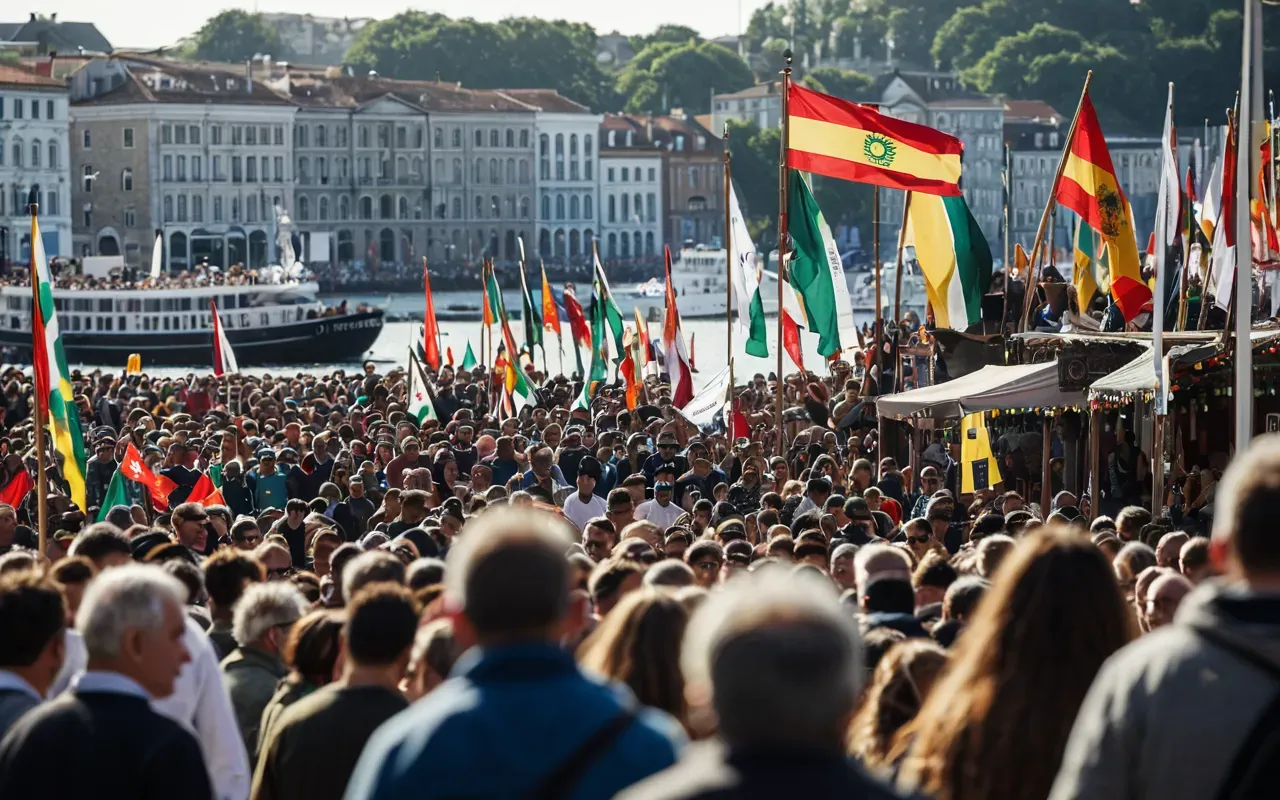
Urban planners must adapt to the reality that festivals will increasingly host political discourse. Traditional tourism models assume passive consumption and predictable behavior. Modern travelers actively seek locations that align with their personal values. Destination marketing boards need to update their risk assessments.
If you are curious about how cities are redistributing tourism pressures, the current parade strategy offers a practical example. Decentralizing events reduces congestion while amplifying local voices. This approach benefits residents and visitors simultaneously.
Can A Global Festival Stay Radical
International branding often dilutes local activism to create marketable content. Global sponsors prefer safe narratives that travel well across different cultures. Local organizers push back by embedding hyper specific policy demands into the programming. The tension creates a more dynamic and honest event structure.
I suspect the current protest wave will permanently alter how future parades operate. Commercialization cannot completely erase the activist foundation. Communities will continue demanding that celebrations reflect actual lived experiences. The water routes will remain contested spaces for years to come.
The Verdict On Water
The parade successfully merges entertainment with urgent social commentary without collapsing under the weight. Each float delivers a distinct message while contributing to a cohesive visual narrative. Spectators leave with both joy and a clear understanding of ongoing struggles. That balance is incredibly difficult to achieve.
You cannot ignore the deliberate design choices that prioritize human connection over corporate logos. The black and white protest vessels sit comfortably next to vibrant celebration floats. This juxtaposition proves that joy and resistance are not mutually exclusive concepts. They actually fuel each other.
I will be watching how municipal authorities respond to this new direction in upcoming seasons. The economic data will likely surprise traditional tourism analysts. Meaningful engagement consistently outperforms shallow entertainment in the long run. The canals have found a new purpose.
The future of urban festivals depends on this exact kind of honest reckoning. Cities that suppress political expression eventually lose their cultural vitality. Those that embrace it build stronger community bonds and more resilient local economies. The parade demonstrates the path forward clearly.


Comments ()