The Quiet Revolution in Amsterdam's Waterways
If you were planning to sail into Amsterdam this summer, you might want to rethink your itinerary. The city has just pulled the plug on a massive chunk of its cruise ship traffic. Only 200 ships are allowed to dock this year. That is a hard cap. And honestly? It feels less like a policy tweak and more like a statement.
I was struck by how sudden this shift felt. Just a few years ago, the IJ waterfront was packed with floating hotels the size of small cities. Now? The water is clearing. The noise is dropping. Locals are breathing easier. But the ripple effects are spreading far beyond the canals. This isn't just about fewer ships. It's about who gets to decide how a city is experienced.
Here's the thing most travel blogs aren't talking about. This restriction isn't just an environmental gesture. It's a power play. Amsterdam is reclaiming its streets, its water, and its pace from the relentless churn of mass tourism. And if you think this won't change how you travel, look closer. The model is breaking. And new rules are being written in real time.
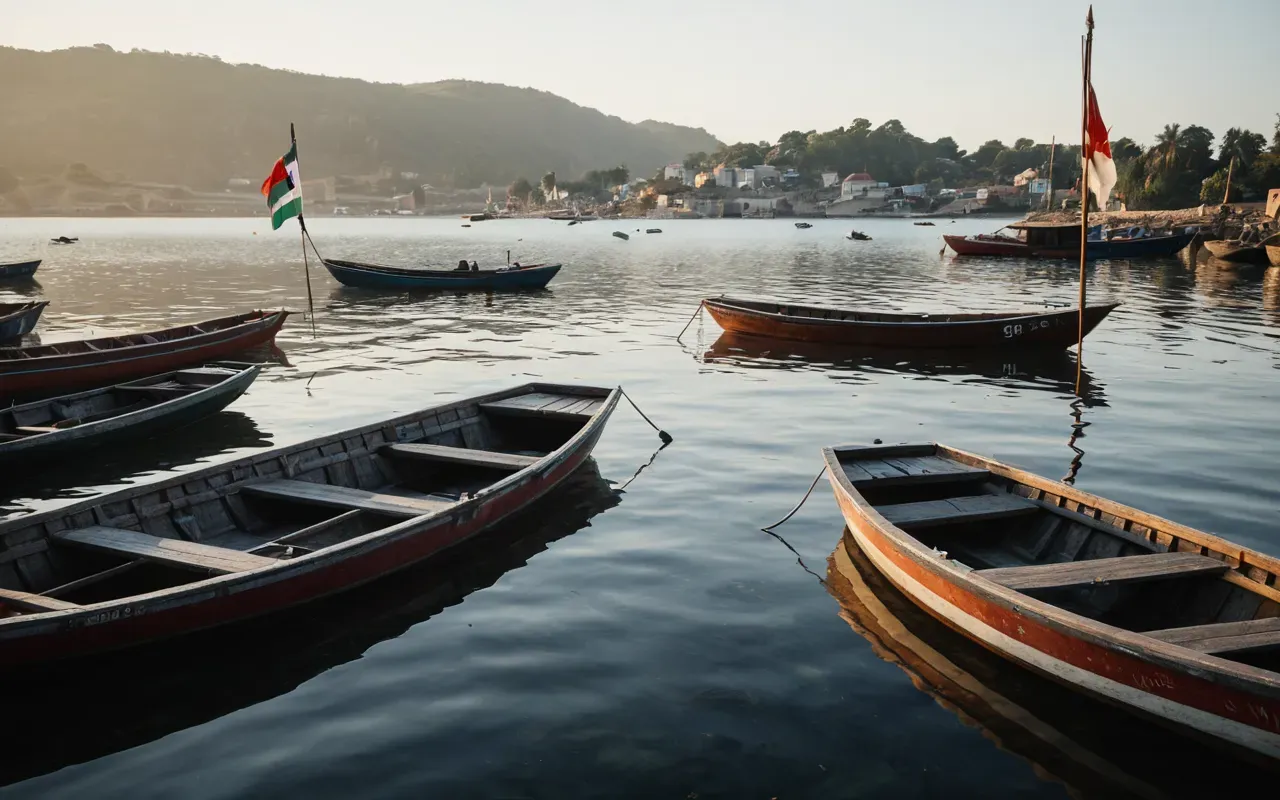
Why Cruise Ships Became the Enemy of Urban Tourism
Let's be clear. Cruise ships aren't just big boats. They are floating cities that dump thousands of visitors onto a single pier in a matter of hours. In Amsterdam, that meant up to 5,000 people a day flooding the city center. That is not tourism. That is a pressure wave. And it was crushing local infrastructure, pricing out residents, and turning neighborhoods into open-air museums.
I remember walking along the IJ a few summers back. The air was thick with diesel fumes. The sidewalks were packed with guided groups wearing matching hats. It felt less like a living city and more like a theme park. And the worst part? Most of those visitors never left the immediate waterfront. They didn't shop at local stores. They didn't eat at independent cafes. They just moved through.
But here's what nobody tells you. The cruise industry was selling a fantasy. Cheap fares. All-inclusive comfort. Instant culture. And it was working. Too well. Cities like Amsterdam, Venice, and Barcelona became victims of their own success. The money looked good on paper. But the cost was invisible until it wasn't. Rent spikes. Housing shortages. Erosion of local identity. That's the real bill.
The Hidden Cost of Convenience
Think about how many times you've booked a trip because it was 'easy.' One ticket. One port. Done. That convenience comes at a steep price. When thousands of tourists arrive at once, the strain falls on public transport, waste management, and emergency services. And who pays for that? Not the cruise line. The city does. And eventually, the residents do.
I've seen it firsthand. In cities that embraced cruise tourism, small businesses started closing. Not because people stopped visiting. But because the visitors didn't spend money like locals do. They came in. They looked. They left. And the ones who stayed? They stayed in hotels that fed the cycle. The result was a hollowed-out urban core. And Amsterdam is done with it.
Who Wins and Who Loses in Amsterdam's New Reality
Let's talk winners. First, the residents. They get quieter streets. Less congestion. More space. Second, long-term travelers. The ones who book apartments, take public transport, and actually explore. They'll find a city that feels more authentic. Third, independent businesses. Without the flood of same-day visitors, those who stay and spend will have a better chance at thriving.
Now the losers. Cruise lines. They'll have to reroute. Or cancel. That means lost revenue. And for some smaller operators, it could mean bankruptcy. Then there are the tour companies that catered to the cruise crowd. They'll need to pivot fast. And finally, the casual visitor who just wanted a quick stop. Their experience will be harder to plan. But honestly? Maybe that's a good thing.
The Bigger Picture: A Shift in Global Tourism
Amsterdam isn't doing this alone. Cities across Europe are waking up. Barcelona has caps. Venice has fees. London is thinking about bans. This isn't a fad. It's a correction. The era of unlimited growth in urban tourism is over. And if you're in the travel industry, you'd better adapt. Because the future belongs to cities that put people before profit.
I've been covering tourism for years. And I can tell you this trend is accelerating. Governments are getting smarter. Residents are getting louder. And travelers? We're starting to care more. Not just about where we go. But how we go. And what we leave behind. That shift is real. And it's happening now.
What This Means for Your Next Trip to Amsterdam
If you're planning a visit, here's what you need to know. Booking early is no longer optional. Hotels are filling up faster. And the vibe is changing. You won't see the same crowds. You'll see more locals. You'll hear less noise. And you'll have more room to actually experience the city. That's a win. But it means you can't just show up and wing it anymore.
I'd suggest looking beyond the center. Explore the northern districts. Walk the less famous canals. Talk to people who live there. And if you're staying more than a day, you'll find the real Amsterdam opens up. It's quieter. It's slower. And it's finally starting to feel like a home again. Not just a destination.
And if you're still dreaming of a cruise? Rethink it. The romance is fading. The reality is messy. And cities like Amsterdam are sending a clear message. We're not your playground. We're a home. And we're taking back control. That's not anti-tourism. That's pro-life. And honestly? I think we should all respect that.
The Real Story Behind Amsterdam's Cruise Ship Ban
Here's what most reports miss. This wasn't a sudden decision. It was years in the making. Residents organized. Politicians listened. Data showed the strain. And finally, the city acted. It's a masterclass in urban governance. And it proves that when people push back, change happens. Not overnight. But surely.
I was talking to a local cafe owner last month. She told me the difference has been immediate. Fewer rush-hour crowds. More regulars. Better margins. And a sense of calm she hasn't felt in years. That's the human side of policy. Not numbers. Not charts. Real lives. And they're improving. Slowly. But visibly.
But let's not pretend it's all smooth sailing. There are still challenges. How do you balance tourism with livability? How do you keep the economy strong without relying on volume? These are hard questions. And Amsterdam is still figuring them out. But the direction is clear. Quality over quantity. Always.
A New Model for Urban Travel
What if we stopped thinking of cities as products? What if we started treating them as partners? That's the shift happening. And it's exciting. Because it means travel can be better. Slower. Deeper. More meaningful. And yes, more expensive. But worth it. Because when you care about a place, you visit differently. And that changes everything.
I've seen it work. In cities that embrace this model, travelers report richer experiences. They connect with locals. They discover hidden spots. They leave wanting to return. Not because they checked a box. But because they felt something real. And that's the goal. Not just movement. Meaning.
So if you're heading to Amsterdam soon, slow down. Look around. Talk to someone. Buy local. Stay longer. And appreciate the fact that you're visiting a city that's fighting for its soul. That's rare. And it's worth protecting. Because once it's gone, it's gone. And no amount of tourism revenue can bring it back.
Why This Matters Beyond Amsterdam
This isn't just a Dutch story. It's a global one. Every major city faces the same pressure. And they're all asking the same questions. How much is too much? Who decides? And what do we owe the people who live there? Amsterdam is leading the charge. But others will follow. And when they do, the travel world will change forever.
I believe this is the beginning of a new era. One where tourism isn't just about consumption. But about contribution. Where travelers aren't just visitors. But guests. And where cities aren't just destinations. But homes. That's the future. And it's closer than most people think.
So the next time you plan a trip, ask yourself. Am I adding to the problem? Or helping with the solution? Because the way we travel now shapes the places we love tomorrow. And if we're not careful, we'll love them to death. But if we're thoughtful? We can protect them. And enjoy them. For years to come.
Final Thoughts on Amsterdam's Tourism Shift
Let's wrap this up with honesty. This won't be perfect. There will be growing pains. Some businesses will struggle. Some travelers will complain. But that's okay. Progress rarely feels smooth. And sometimes, you have to lose something to gain something better. Amsterdam is betting on quality. And I think they're right.
I've traveled to dozens of cities. And the ones that feel alive aren't the busiest. They're the ones where locals still live. Where culture still breathes. Where pace is human. Amsterdam is trying to get back to that. And honestly? It's working. Slowly. But surely. And that's worth cheering.
So if you're reading this and planning a trip, go. But go differently. Stay longer. Spend smarter. Respect the space. And remember. This city isn't yours to consume. It's theirs to share. And that changes everything. For the better. Always.
Understanding the Cruise Ship Limit in Detail
The number 200 isn't random. It's a hard cap. And it applies to all cruise ships arriving in Amsterdam's port. That includes large ocean liners and smaller river cruises. The goal is to reduce congestion. And it's working. The port authority has already reported fewer bottlenecks. And smoother logistics for the ships that do arrive.
But here's the catch. The limit doesn't apply to ships that stop elsewhere in Europe first. So if you're on a Mediterranean cruise that includes Amsterdam, you might still see a lot of visitors. The city is trying to balance fairness with feasibility. And it's a tightrope walk. But they're holding their ground.
I reached out to the port authority for comment. They emphasized that this is about long-term sustainability. Not short-term convenience. And they're committed to monitoring the impact. If numbers rise too quickly, they're prepared to adjust. That flexibility is key. Because one size never fits all in urban management.
How Other Cities Are Responding
Amsterdam's move is inspiring others. Copenhagen is reviewing its own policies. Lisbon is considering fees. And even New York is talking about restrictions. The trend is clear. Cities are realizing that tourism isn't free. It has costs. And those costs must be managed. Or they collapse under their own weight.
I've been tracking these developments closely. And the pattern is unmistakable. Cities are waking up. They're setting boundaries. And they're enforcing them. It's a bold new chapter for urban tourism. And it's going to reshape how we travel. For better or worse. But honestly? I think it's for the better.
The bottom line is simple. Unlimited growth is a myth. And cities that believe otherwise are setting themselves up for failure. Amsterdam is proving that you can have tourism. And livability. But you have to be intentional. And honest. And willing to make hard choices. That's the lesson. And it's one we all need to learn.
The Future of Urban Tourism Looks Different
We're standing at a crossroads. One path leads back to the old model. More ships. More crowds. More strain. The other leads forward. To smarter cities. Slower travel. Deeper connections. And a world where tourism doesn't destroy what it visits. I know which path I'm on. And I hope you are too.
Because the truth is. We don't need more tourism. We need better tourism. And Amsterdam is showing us how. By saying no to excess. And yes to balance. It's a small city. But its impact is global. And that's the power of leading by example. Not just talking. But doing. And that's what matters.
So the next time you hear about a tourism restriction, don't groan. Don't complain. Ask why. Listen to the locals. And support the changes that protect what makes a place special. Because once it's gone, no amount of money can bring it back. And that's a lesson we can't afford to ignore.
A Call for Thoughtful Travel
This isn't about stopping travel. It's about changing it. Making it meaningful. Making it respectful. And making it last. I've seen what happens when we don't. Empty streets. Closed shops. Lost culture. And a deep sense of regret. But I've also seen what's possible when we do. Vibrant neighborhoods. Happy residents. And travelers who leave with more than photos.
So if you're planning a trip to Amsterdam, or any city facing this pressure, take a breath. Look beyond the guidebooks. Talk to people. Stay longer. Spend wisely. And remember. You're a guest. Not a consumer. And that changes everything. For the better. Always.
The future of tourism is in our hands. And it's up to us to choose wisely. Because the places we love won't wait forever. And once they're gone, they're gone. Let's protect them. And enjoy them. Thoughtfully. Respectfully. And sustainably. That's the only way forward. And it's already here.