
The Canals Are Not Just for Tourists This Year
Look at the water. Really look at it. For decades, Amsterdam’s canals have been a backdrop for postcards and party boats filled with sunburned tourists waving flags they barely understand. But on August 1 this year, the water carries something heavier. Something sharper.
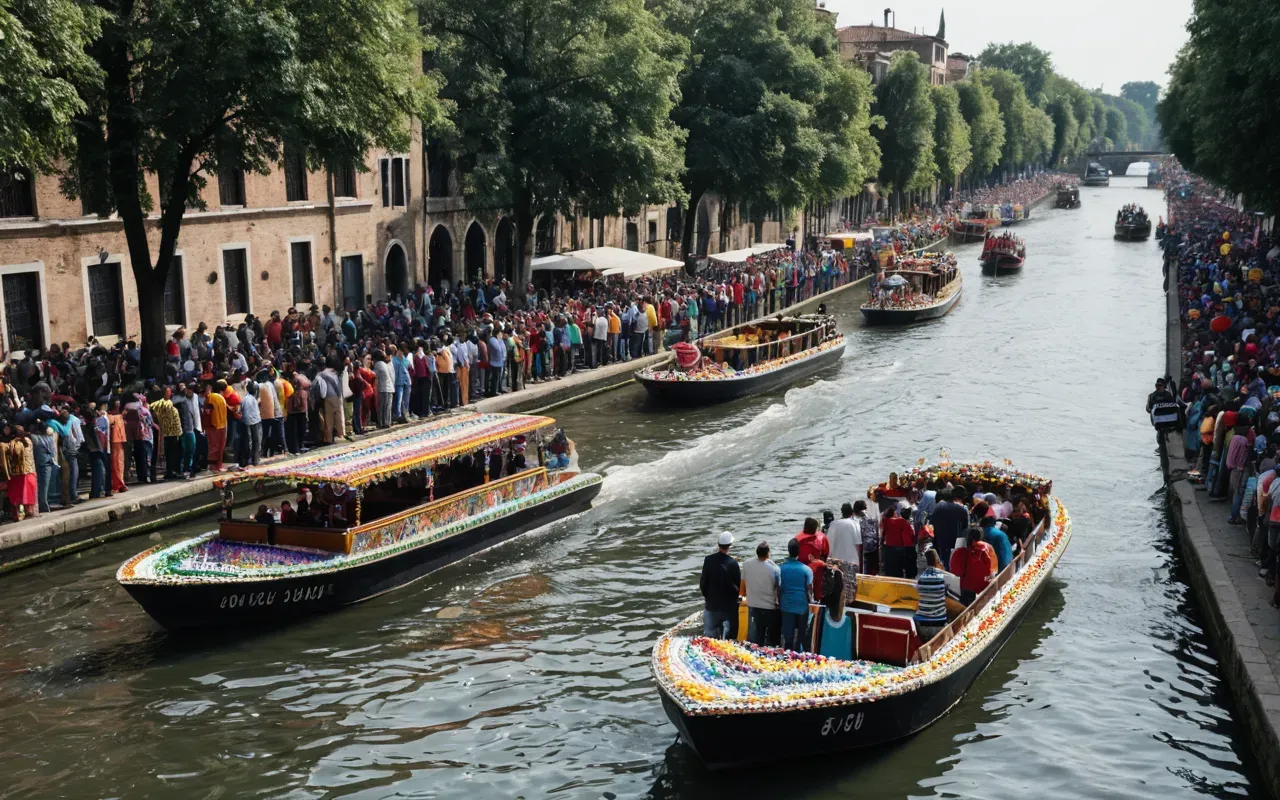
The future Queer Museum is sending a boat into the Canal Parade. It isn’t just another party float with strobe lights and cheap beer. It’s a floating hall of fame. A moving monument to people who were erased, hunted, or forgotten by official history books.
I was struck by how specific this gesture is. They aren’t just waving from the boat. Performers are embodying icons like Marsha P. Johnson, Freddie Mercury, and Frida Kahlo right on deck. It turns a parade into a living archive.
And here’s the thing nobody tells you about Pride. It feels like a party because we’ve been allowed to forget how dangerous it used to be. This floating gallery reminds us that visibility was never safe. It’s still not.
Why Visibility Is a Weapon Now More Than Ever
Mick Groeneveld from the museum foundation says it plainly. Visibility doesn’t automatically mean safety. But invisibility guarantees nothing at all. So they show up anyway.
Think about that for a second. In an era where online hate is just one click away and legislative attacks on queer rights are popping up globally again, standing tall on a boat in Amsterdam feels radical.
The icons chosen span generations. You’ve got Audre Lorde next to Lil Nas X. Lady Gaga shares space with activists who died decades before she was born. It bridges the gap between protest and pop culture.
This isn’t just nostalgia. It’s a statement that queer culture connects us across time. The performers aren’t just dressing up; they are channeling the resilience of communities that refused to disappear.
The Berlin Connection Adds a Heavy Layer
A delegation from the Schwules Museum in Berlin is sailing too. Given recent events there, this feels significant. The solidarity between these institutions matters more than we realize.
When you see two major queer museums linking arms on water, it signals something bigger than a festival. It shows an institutional backbone forming across Europe to protect this history.
Drag artist Jennifer Hopelezz is also on board. As herself. Not as a character. That distinction matters because it grounds the spectacle in real human presence.
From Spectacle to Strategy Inside De Nieuwe Kerk
The parade ends. The boats dock. But the work continues inland on August 6 at De Nieuwe Kerk. This is where the rubber meets the road.
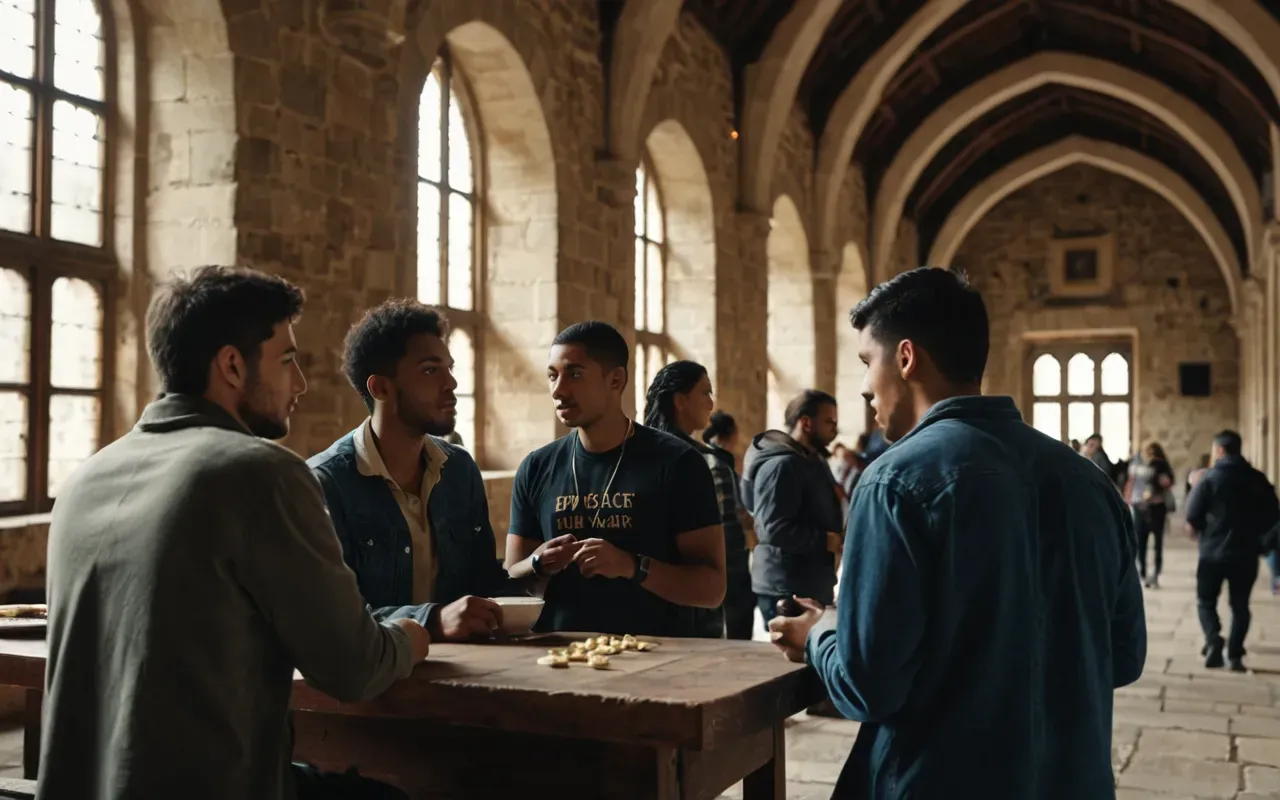
They are hosting a youth panel there. People aged sixteen to thirty will debate how new generations should write and access queer history. That is a crucial question.
I wonder how many of us actually know the stories beyond the headlines. How much do we really understand about the activists who paved the way for today’s freedoms?
The panel isn’t just talk. It ties directly into the exhibition _Queer Amsterdam_ currently running in the church. Experts from various communities helped shape that show.
This integration of protest, parade, and pedagogy is smart. It ensures that the energy from the streets translates into lasting educational value for visitors.
Who Really Writes the History Books?
Historically, queer stories were written by outsiders or omitted entirely. Now the community is taking the pen back. That shift in power cannot be overstated.
The inclusion of trans rights activist Alejandra Ortiz in the broader conference program highlights this intersectional approach. We need all voices at the table.
If we don’t tell our own stories, others will distort them. The floating hall of fame is just the appetizer for this larger meal of historical reclamation.
The Human Rights Conference Raises the Stakes
Later that same day at Beurs van Berlage, representatives from international queer museums meet. They discuss policy and protection alongside artistic expression.
Tieneke Sumter from COC Nederland joins the conversation. Her presence links local Dutch advocacy with global institutional strategies for preservation.
This isn’t just about celebrating the past. It’s about securing the future against rising conservatism and legislative threats across multiple continents.
Building a Permanent Home Before the Crowd Fades
The boat is temporary. The church exhibition will end. But the foundation aims for a permanent museum opening around 2030 in Amsterdam.
That timeline feels distant when you’re standing on a canal watching floats pass by. But building institutional memory takes time and careful planning.
They are working with communities now to define what that space will hold. It won’t just be artifacts behind glass cases. It needs to feel alive.
If you’ve ever visited a dry history museum that felt like a tomb, you know what they are trying to avoid here. Engagement is key.
The floating gallery proves they already understand this principle. By bringing history onto the water during Pride, they make it accessible and visceral.
Why This Changes More Than People Think
Most people see Pride as a weekend of parties. This initiative reframes it as an active construction of public memory. That changes how we view the entire event.
It suggests that joy itself is an act of resistance. Celebrating openly in a world that often demands conformity requires immense courage.
When tourists visit Amsterdam next summer for similar events, they might leave with more than just photos. They could carry a deeper understanding of why these spaces matter.
And honestly? We need that understanding more than ever. History has a habit of repeating itself if we don’t pay attention.
The Risk of Forgetting Is Real and Immediate
Without physical spaces dedicated to queer history, those stories risk fading into footnotes. Or worse being twisted by those with different agendas.
The Queer Museum project acknowledges this risk directly. That is why the floating gallery feels so urgent despite its celebratory nature.
It forces us to look at the faces of those who came before. Marsha P. Johnson wasn’t just a name in a textbook. She was flesh and blood fighting for survival.
Freddie Mercury wasn’t just a rock star. He was an icon who defied norms while facing immense personal challenges related to identity and health.
Frida Kahlo challenged gender presentations long before it was trendy. Her art spoke to pain and pleasure in ways that resonate today.
What This Means for You Beyond the Parade
Maybe you aren’t part of the queer community. Maybe you’re just visiting Amsterdam for WorldPride because it sounds fun. That’s fine.
But consider what you are witnessing when you see that boat. You’re seeing an effort to ensure that future generations know where this freedom came from.
Freedom isn’t free. It was bought with sweat tears and sometimes blood by people who looked nothing like the polished activists of today.
Supporting spaces like this museum helps sustain that memory. It tells the world that we value diversity enough to build permanent structures for it.
If you want to dive deeper into how cities handle large gatherings like this without losing their soul check out why Amsterdam is quietly cutting off cruise ship tourism. The dynamics of space and crowds are fascinating.
The floating hall of fame is beautiful. But its true power lies in what it represents. A refusal to be silenced. A demand for presence.
As the sun sets over Amsterdam on August 1, those boats will drift past stone bridges that have witnessed centuries of change.
This year feels different though. The water reflects not just lights but determination. And that is something worth remembering long after the music stops.
Looking Ahead to the Permanent Space
Until 2030 rolls around, moments like this are what keep the flame burning. They remind us that culture isn’t some fixed thing. It shifts. It breathes. It moves right along with us.
I genuinely hope more cities take a page from this playbook—blending protest art into the mainstream festivities. That’s how you make a message impossible to brush off.
For now, though, let’s just soak in the spectacle. Let’s tip our hats to Marsha, Freddie, Frida, and every other soul who couldn’t be there in person.
Their stories are our backbone. And so long as we keep telling them—on water, on land, wherever—they will never truly fade.
So when you spot that rainbow flag fluttering from the canal next weekend, pause and remember what it really means. It’s not just a pretty decoration.
It’s a banner held high by those who fought for the simple right to exist. And today, we get to celebrate that hard-won victory—together.


Comments ()